Eleven Days of Bombs and Broader Warnings
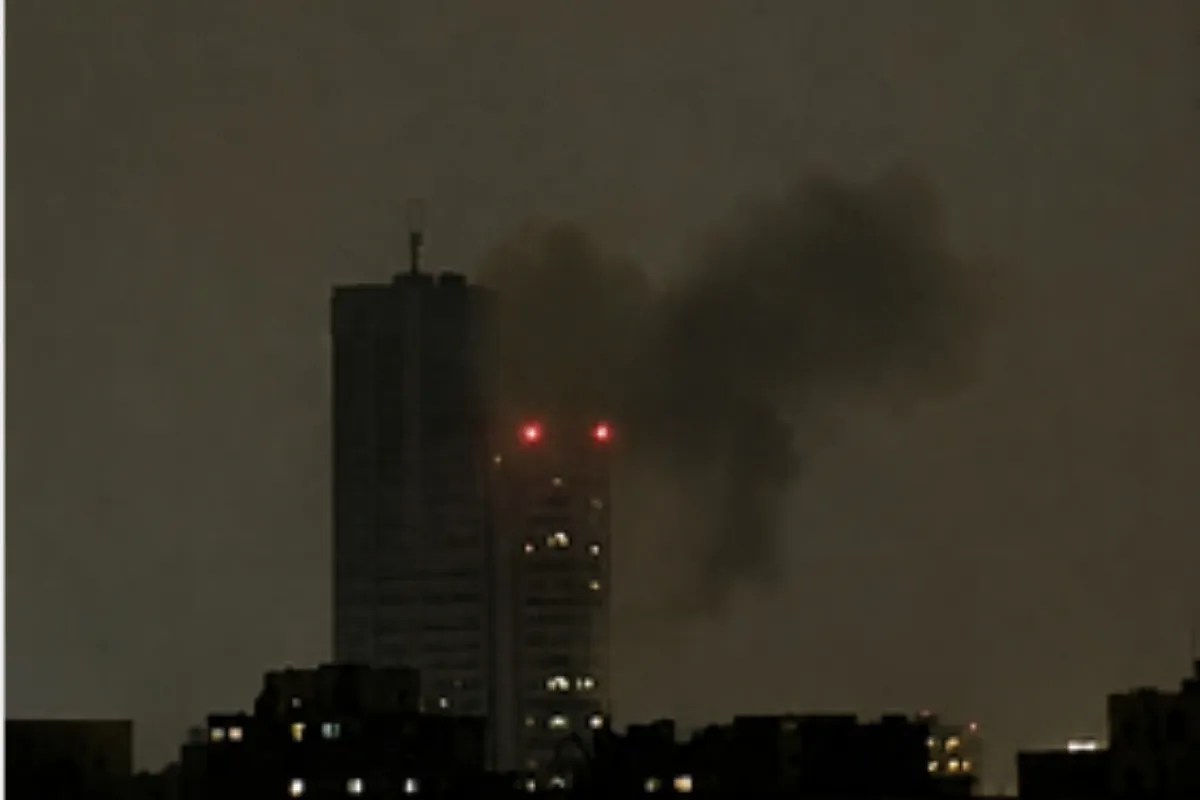
Night after night, American warships and fighter jets hit dozens of targets across Yemen. The White House calls it a necessary deterrent. Military commanders point to precise strikes on radar stations, underground storage depots, and launch pads. Yet after nearly two weeks of unrelenting air raids, the basic reality on the ground remains unchanged. Ships are still avoiding the Red Sea, freight rates are climbing, and the targeted forces show no sign of stopping.
This campaign was built on a simple premise: apply enough force, and the cost of disrupting global trade will become too high. But applying conventional military doctrine against an asymmetric enemy rarely goes according to plan. Instead of retreating, the group has adapted. They move mobile launchers into civilian areas, hide supplies in deep mountain tunnels, and fire low-cost drones that cost a fraction of the missiles used to intercept them.
The defense strategy is rapidly hitting a Wall Street problem. Firing multi-million-dollar interceptors to destroy five-thousand-dollar drones is a math problem that favors the insurgent every single time. Washington is spending billions to keep maritime trade flowing, but the trade isn't returning. Major shipping lines have already accepted the long route around the tip of Africa as the new normal.
The Economics of an Endless Air Campaign
Military power is often measured in tonnage dropped and targets destroyed. In asymmetric warfare, the only metric that matters is sustainability.
When a naval destroyer launches a Standard Missile-2 to destroy an incoming unmanned aerial vehicle, it achieves a tactical win. The ship is safe. The commercial vessel nearby survives another hour. But that interceptor costs upwards of two million dollars. The manufacturing pipeline for those missiles takes years, not weeks. The factory floors in America cannot build them fast enough to match the rate at which cheap electronics can be assembled into attack drones across the Middle East.
The Asymmetry of Modern Warehouses
- Attacker Costs: A basic kamikaze drone built from off-the-shelf components, small engines, and simple guidance systems costs roughly $5,000 to $20,000.
- Defender Costs: High-end naval air defense missiles range from $1.5 million to over $4 million per launch.
- Replenishment Timelines: Modern military contractors produce sophisticated missiles in the hundreds per year. Basic drone assembly lines can produce thousands.
This structural imbalance changes the nature of the conflict. The United States and its allies are using high-end inventory to solve a low-end problem. Every night the campaign continues, the Pentagon burns through stocks meant for deterrence against major global rivals.
Why Deterrence Fails Against Non-State Fighters
Traditional deterrence relies on a simple mechanism. You threaten something the enemy values deeply—their infrastructure, their state institutions, or their economic engine.
That framework breaks down when fighting a decentralized movement that has survived decades of regional war. The strikes hit physical buildings, ammunition dumps, and command nodes. But a movement fueled by ideological alignment and decentralized command structures does not break when a warehouse explodes. They view the confrontation itself as a strategic victory. By drawing the world's sole superpower into a daily war of attrition, they burnish their credentials across the region.
Physical destruction does not equal strategic defeat. You can clear a target grid every single night and still lose ground if the enemy's political capital rises with every bomb that drops.
The tactical intelligence gathering has certainly improved over eleven days. Defense officials boast about high-value targets eliminated and launch sites neutralized before missiles could leave the rail. Yet for every launcher destroyed, another is rolled out from a hidden cavern hours later. The target set is endless, but Western munitions supplies are finite.
Shipping Markets Have Already Made Their Choice
While military planners measure success in destroyed targets, the global logistics industry measures success in risk assessments and insurance premiums.
The campaign was supposed to reassure international maritime trade. It was designed to restore confidence so that container ships, oil tankers, and bulk carriers would resume passage through the Bab el-Mandeb Strait. On that front, the campaign has not delivered.
The Real Cost of Rerouting
Insurance underwriters have raised rates for vessels attempting the passage to prohibitive levels. Even with naval escorts, major logistics carriers refuse to risk multi-hundred-million-dollar vessels and irreplaceable crew members.
- Distance: Circumnavigating Africa via the Cape of Good Hope adds roughly 3,500 to 4,000 nautical miles to a voyage between Asia and Northern Europe.
- Time: Ships lose ten to fourteen days per transit, disrupting tightly managed supply chains.
- Fuel and Capacity: Longer voyages consume thousands of additional tons of fuel and effectively lock up global shipping capacity, driving up spot rates for containers worldwide.
The global economy has adjusted to the long route. Supply chains have absorbed the extra two weeks of ocean transit. By adapting to the conflict rather than waiting for the military to solve it, the shipping industry has effectively signaled that it expects this campaign to last indefinitely.
The Catch-22 Facing Decision Makers
Washington finds itself trapped in a clear dilemma.
Stopping the strikes unilaterally signals to every militia in the region that targeting commercial shipping works, effectively handing control of a crucial global choke point to non-state actors. Continuing the strikes indefinitely drains critical missile inventories, costs taxpayers millions of dollars a day, and risks a wider regional escalation without ever fully securing the sea lanes.
Expanding the campaign to include ground forces or targeting foreign backers directly carries immense political and military risks that no administration wants to take. That leaves air strikes as the only political tool available—a middle path that satisfies the urge to act without offering a clear path to resolution.
Eleven nights of strikes have proven that American firepower can hit any target it chooses. It has not proven that hitting those targets can force a determined adversary to stand down. Until the underlying political drivers of the conflict are addressed, the navy will keep firing multi-million-dollar missiles at cheap wooden drones, and the world's merchant ships will keep taking the long way around.