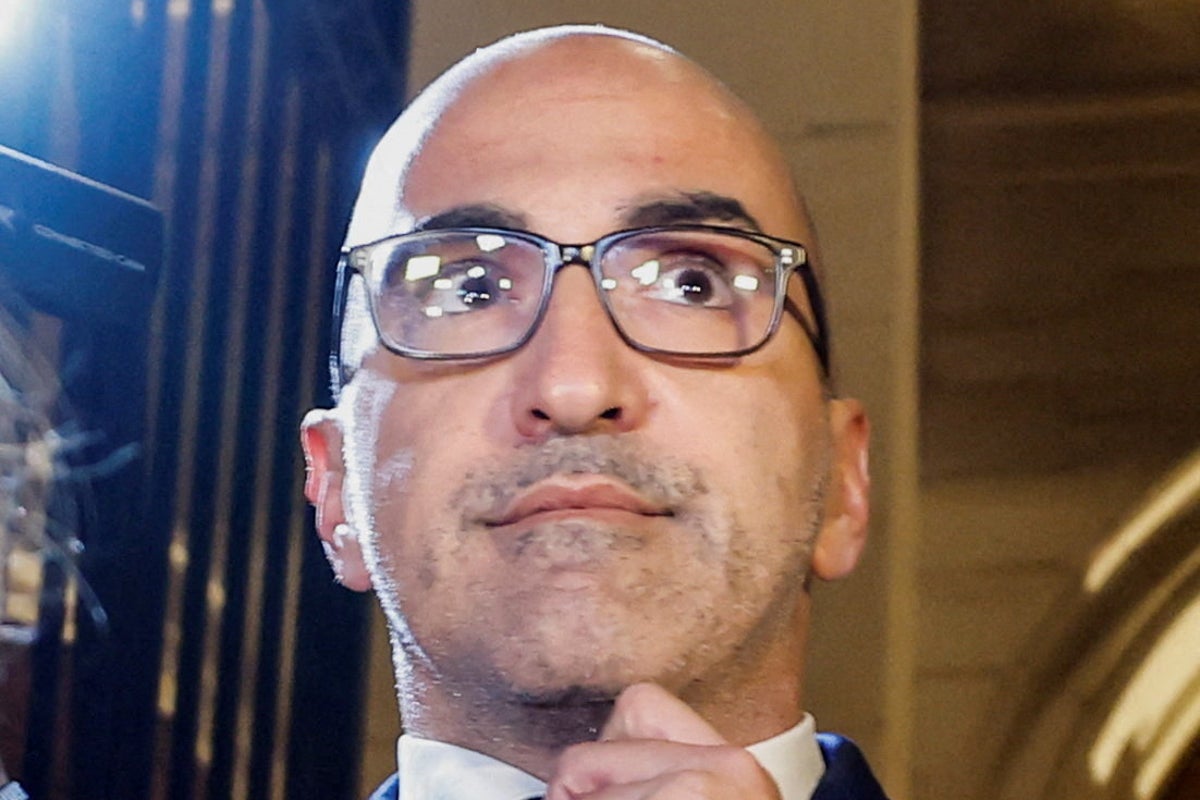
Nearly nine years after a car bomb tore through the quiet Maltese countryside and killed crusading journalist Daphne Caruana Galizia, the architecture of impunity remains entirely intact. When a Maltese jury voted eight to one to acquit prominent businessman Yorgen Fenech of masterminding the 2017 assassination, it did more than deliver a controversial verdict. It exposed the structural failure of an entire European Union member state to hold its highest-tier power brokers accountable.
Fenech walked out of the Valletta law courts to the sound of jeers and raw public fury, leaving a vacuum where ultimate accountability should have resided. While the foot soldiers and bomb-makers received prison sentences—including life terms handed down to suppliers like Robert Agius and Jamie Vella—the person accused of orchestrating the execution has legally vanished from the ledger of guilt. This outcome is not merely a legal shock. It is the predictable result of a compromised system that has continually failed to clean the stables of institutional corruption.
The Anatomy of an Institutional Collapse
To understand how a murder trial of this magnitude collapses, we have to look past the courtroom drama and examine the machinery of the Maltese state. Caruana Galizia operated as a one-woman investigative powerhouse, uncovering deep-seated graft, secret offshore companies, and the illicit marriage of corporate wealth and political power. Her reporting targeted the inner sanctum of the government, including figures close to former Prime Minister Joseph Muscat, whose administration eventually collapsed under the weight of the ensuing protests.
A landmark 2017 public inquiry concluded years later that the state itself bore responsibility for her death. It did not pull the trigger, but it created an ecosystem of impunity, a cozy environment where threats against independent journalists were normalized, ignored, or actively minimized by officials. When institutions are built to protect the political class rather than the public interest, justice becomes conditional.
The Witness Credibility Trap
The defense built its victory around a classic courtroom strategy: systematically dismantling the credibility of the prosecution's central witness. Fenech's legal team targeted the testimony of Melvin Theuma, a self-confessed middleman who had secured a controversial presidential pardon in exchange for turning state's evidence.
In complex conspiracy trials involving underworld figures and corporate elites, prosecutors often have to make pacts with deeply flawed characters to map out the crime. When juries recoil at those bargains, the entire case frays. The defense successfully painted the prosecution's narrative as reliant on a tainted vessel, convincing enough jurors that reasonable doubt outweighed the web of circumstantial evidence, wiretaps, and financial paper trails linking the tycoon to the plot.
This dynamic reveals a glaring vulnerability in high-level anti-corruption prosecutions. If the state relies exclusively on criminal intermediaries to secure convictions against powerful masterminds, any fracture in the credibility of those witnesses brings the entire house down. Independent corroboration must be ironclad, yet in nations with captured or hesitant regulatory bodies, that level of forensic backing is rarely prioritized until it is far too late.
The Chilling Effect on European Press Freedom
International media watchdogs and human rights organizations reacted to the acquittal with immediate alarm. The International Press Institute and Reporters Without Borders pointed out that leaving the mastermind unpunished sends a terrifying signal to reporters across Europe.
When investigative journalism threatens systemic corruption, the ultimate insurance policy for the corrupt is the knowledge that even if the hitmen are caught, the financial and political architects can slip through procedural loopholes. Investigative reporting in small European nations like Malta carries a unique physical peril. Without robust legal mechanisms and structural safeguards, reporters remain frontline targets working without a net.
The family of Caruana Galizia issued a searing statement following the verdict, noting that the country's institutional failures remain unaddressed and unreformed nearly a decade after her assassination. Her sons, who have spent their youth fighting a relentless battle for truth, witnessed a legal system buckle under the weight of its own historical compromises.
The prosecution has signaled its intention to appeal the verdict, ensuring that the legal battle is far from over. Yet an appeal is a procedural bandage on a gushing wound. The deeper crisis is that a journalist could be blown apart near her home for doing her job, and nine years later, the nation state she tried to save remains incapable of delivering complete, untainted justice.
Outrage as Maltese tycoon acquitted of reporter Daphne Caruana Galizia's murder
This video provides a detailed look at the courtroom reactions and the immediate international and domestic fallout following the controversial verdict.
http://googleusercontent.com/youtube_content/1