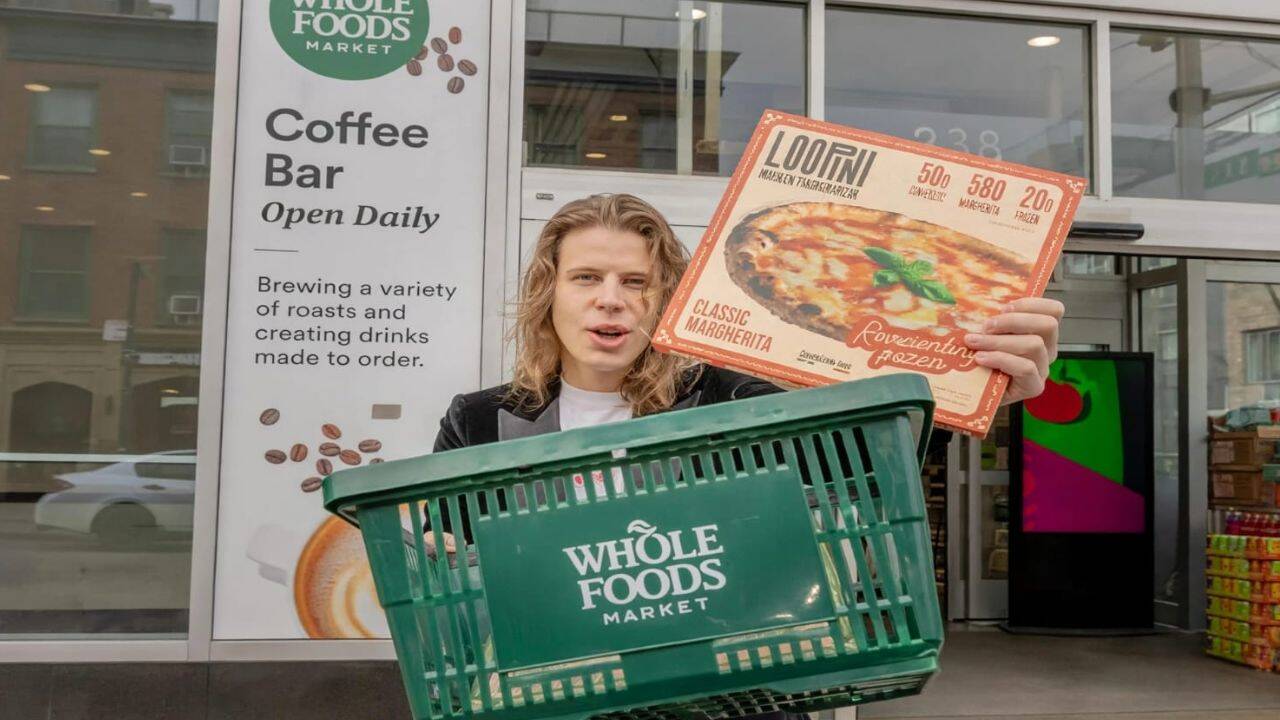
Turning a high-protein lupini bean pizza concept into a $700,000 business comes down to solving a stubborn food-science problem while tapping into an uncrowded protein niche. Most alternative pizzas trade texture for nutrition, leaving diners with dense crusts or chalky aftertastes. Lupini beans offer high protein and fiber without the heavy soy or pea-isolate baggage that has fatigued mainstream shoppers. Yet scaling a specialty legume pizza from a local experiment into a six-figure or near-seven-figure operation requires ruthless control over ingredient debittering, moisture management, unit economics, and customer repeat rates.
I have covered specialty food launches, CPG rollouts, and restaurant-to-retail pivots long enough to spot a shiny trend from a mile away. Usually, a founder discovers an exotic ingredient, slaps a buzzword on the packaging, and burns through cash before figuring out why people buy once and never come back. A $700,000 revenue mark in a niche like lupini bean pizza is not accidental luck. It signals that someone found a real operational wedge, whether through tight local demand, high-margin direct sales, wholesale accounts, or a disciplined foodservice footprint.
Why Lupini Beans Suddenly Matter in Pizza
Legumes have been circling modern food for years. Chickpea flour crusts had their moment. Cauliflower took over freezer aisles for a while. Pea protein showed up in almost every plant-based product on the shelf until consumers grew tired of the earthy, distinct taste.
Lupini beans sit in a different lane. Grown largely in Mediterranean regions as well as parts of Australia and South America, these golden-yellow legumes pack dense plant protein and dietary fiber alongside a naturally lower net-carbohydrate profile than traditional wheat flour. For people chasing high-protein foods without leaning on ultra-processed protein powders or heavy meat toppings, lupini offers a compelling nutritional pitch.
Pizza is an unforgiving testbed for any alternative ingredient. Crust has to hold toppings without turning soggy in the center. It needs enough structural integrity to fold or slice cleanly, yet enough tenderness that it does not chew like cardboard. When you replace a meaningful share of refined wheat flour with legume flour or processed lupini ingredients, water absorption changes immediately. Dough hydration shifts. Browning behaves differently in the oven. A small miscalculation in formulation turns a promising prototype into a brick.
A healthy crust that eats like a coaster will not survive past the first novelty purchase.
That is why any entrepreneur scaling lupini bean pizza to meaningful revenue has to win on sensory execution first and nutrition second. Shoppers and diners forgive a lot when a product tastes good. They rarely forgive a bad bite just because the macro chart looks impressive.
The Hidden Operational Hurdles Behind Legume Dough
Anyone who has worked in commercial kitchens or food manufacturing knows that ingredient lists only tell half the story. Raw lupini beans contain quinolizidine alkaloids, naturally occurring bitter compounds that must be reduced through soaking and washing processes before the beans are safe and palatable for widespread consumption. Food processors handle this through controlled debittering, cooking, and milling or texturizing, which adds cost and supply-chain steps compared to commodity wheat flour.
Allergens also require serious attention. Lupini belongs to the legume family and shares cross-reactivity risks with peanuts for certain sensitized individuals. In several jurisdictions, including the European Union, lupin is explicitly listed among major allergens requiring clear labeling, and food safety teams in North America treat legume cross-contact with strict care. An entrepreneur scaling past a home kitchen or tiny test run cannot treat allergen control as an afterthought. Every shared mixer, proofing rack, oven deck, and packaging line carries risk.
Then comes shelf life and distribution. Fresh dough behaves very differently from par-baked crusts or frozen pizzas. High-fiber, high-protein matrices can dry out faster or lose crispness upon reheating if starches and fats are not balanced properly. Moving $700,000 worth of product in a high-cost market like New York—whether through direct-to-consumer channels, local foodservice, farmers markets, pop-ups, or regional retail—means dealing with commercial rent, labor, packaging waste, and cold-chain or delivery friction.
To see how the economics can stack up in practice, consider a hypothetical example of a New York specialty pizza brand generating $700,000 in annual revenue. Suppose the business sells a mix of direct local orders, pop-up or storefront sales, and small wholesale or specialty accounts at an average blended selling price of $16 per pizza. Generating $700,000 requires selling roughly 43,750 pizzas a year, or about 841 pizzas per week. Even at an average of $20 per unit across pizzas and add-ons, that is 35,000 units a year, or roughly 673 per week.
Those numbers sound modest on paper until you account for prep hours, specialty ingredients, packaging, payment processing, and delivery or fulfillment costs. High gross sales do not automatically equal fat net profit in food. A founder hitting $700,000 has likely worked hard to keep gross margin intact by avoiding steep third-party marketplace commissions where possible, pricing for specialty ingredients, and building repeat orders from loyal buyers.
How Niche Food Brands Actually Reach $700,000
Most people assume a viral social media clip is the magic switch that builds a $700,000 food business. Attention is easy to rent for a weekend. Repeat revenue is earned over months.
In dense urban markets like New York, visibility happens fast, and skepticism happens even faster. Diners and specialty shoppers see hundreds of novelty food launches every month. What separates a passing curiosity from a $700,000 operation is usually a tight alignment between product format and buying habit.
- Targeted positioning: Positioning a pizza around high protein and fiber speaks to fitness-minded eaters, busy professionals, and people watching blood sugar or carb intake without forcing them into a rigid diet label.
- Repeatable format: Pizza is familiar comfort food. Wrapping an unconventional ingredient inside a familiar category lowers friction for first-time buyers.
- Tighter channel control: Selling directly to customers or through tightly managed local drops and accounts protects pricing power better than relying solely on low-margin middlemen.
- Batch discipline: Standardizing dough weights, bake times, and topping ratios prevents waste, which quietly eats alive small food businesses.
Comparing Alternative Pizza Base Approaches
Legume-based pizza does not compete in a vacuum. It sits alongside traditional wheat and several established alternative bases that shoppers already recognize.
| Base Type | Primary Appeal | Main Operational Trade-Off | Typical Buyer Fit |
|---|---|---|---|
| Lupini Bean Base | High protein and fiber, lower-carb positioning, distinct niche | Debittering/sourcing costs, legume allergen awareness, texture tuning | Protein-focused and adventurous food buyers |
| Traditional Wheat | Familiar stretch, reliable browning, lower base flour cost | Higher refined carb load, less functional protein pitch | Classic pizza loyalists and value-driven buyers |
| Cauliflower Base | Vegetable-forward, widely recognized in retail freezers | High moisture content can cause sogginess if mismanaged | Low-carb and veggie-focused shoppers |
| Chickpea Flour Base | Familiar legume option, often naturally gluten-free | Can turn dense or beany if over-worked or under-seasoned | Gluten-conscious and plant-forward eaters |
Notice the trade-offs across every row. There is no free lunch in food formulation. Every ingredient choice shifts cost, texture, allergen profile, or shelf behavior somewhere else in the chain.
The Counter-Argument Nobody Wants to Hear
Here is the uncomfortable truth that gets glossed over in celebratory founder profiles. Reaching $700,000 in revenue in specialty food is a genuine milestone, yet it is also a dangerous plateau if a business mistakes early traction for permanent scale.
Niche health-halo foods often experience a classic novelty curve. Early adopters—nutrition nerds, adventurous local foodies, wellness crowds—rush in to try something new. The real test starts when the novelty wears off. Does the product become a weekly staple, or does it settle into an occasional treat?
High-protein pizza also runs into a subtle expectation trap. When people eat pizza, they often want indulgence, crispness, and comfort. When they hear "high protein" and "bean," part of their brain braces for compromise. If the crust feels heavy or dry, customers rationalize skipping the next order. Even if the nutrition label looks great on paper, palates vote with their wallets.
Scaling beyond a regional or specialty footprint adds another layer of complexity. Co-manufacturers have minimums. Retail buyers demand slotting fees, promotional allowances, margin buffers, and consistent supply. A recipe that works beautifully in a small batch can behave unpredictably on high-speed commercial lines. Many founders hit a wall right between $500,000 and $1 million because the operational playbook that got them there breaks under higher volume or stricter retail terms.
What Founders and Operators Should Take Away
If you are building a food brand or evaluating specialty food businesses, skip the surface-level hype and look at the fundamentals under the hood.
- Test texture blind before printing labels. Put your product in front of skeptical eaters without telling them the health pitch first. If they like the eat on its own merits, your marketing has real fuel.
- Price for real ingredient and labor costs from day one. Underpricing to win trial is a fast way to train customers to buy at a loss. Make sure your unit economics work before chasing volume.
- Treat allergens and food safety as core brand equity. Clear labeling and disciplined handling protect consumers and keep your operation credible as you grow.
- Build direct customer relationships early. Knowing who buys, why they come back, and when they churn gives you leverage that algorithms and third-party apps never provide.
Lupini bean pizza proves that an overlooked ingredient can carve out serious space in a crowded food category when paired with disciplined execution. Focus on making a pizza people genuinely want to eat again, and let the nutrition be the bonus that seals the habit.