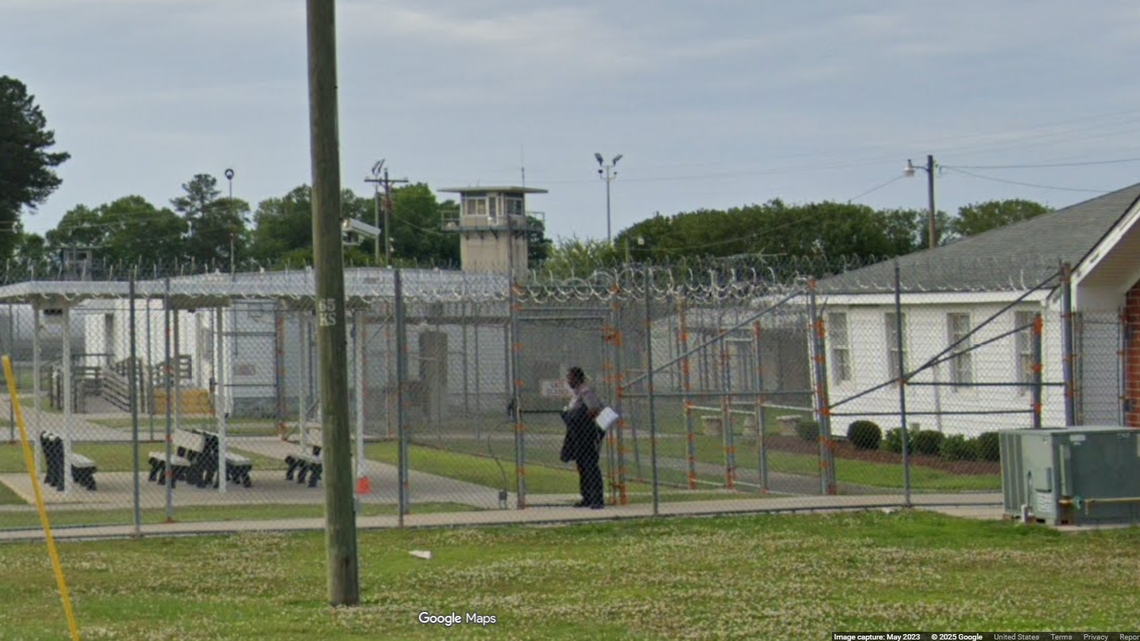
The provincial government of Khyber Pakhtunkhwa is teetering on the edge of a self-inflicted legislative shutdown because its lawmakers cannot secure a face-to-face meeting with a prisoner.
Faced with a deadlock over access to incarcerated party founder Imran Khan at Adiala Jail, the ruling Pakistan Tehreek-e-Insaf (PTI) provincial parliamentary unit has taken the drastic step of forming a specialized panel of legal experts to audit the constitutional validity of delaying or altering its own state budget. This internal crisis escalated significantly when Imran Khan’s sister, Aleema Khan, openly pressured Chief Minister Sohail Afridi to freeze the entire financial process rather than table a fiscal blueprint without direct orders from the jailed former prime minister. Don't miss our previous post on this related article.
While the headline-grabbing friction centers on high-stakes political blackmail against the federal government, the real crisis lies in the near-total paralysis of a province of over 40 million people, trapped between institutional devotion to a single leader and the structural requirements of fiscal governance.
The Rubber Stamp Deadlock
At the heart of the standoff is a governance philosophy that fundamentally challenges conventional parliamentary democracy. Chief Minister Sohail Afridi and his cabinet argue that because the electorate of Khyber Pakhtunkhwa (KP) handed a provincial mandate to PTI based on the political capital of Imran Khan, any fiscal policy formulated without Khan's explicit approval lacks democratic legitimacy. To read more about the context of this, USA Today provides an in-depth summary.
KP Adviser on Finance Muzzammil Aslam confirmed that while the finance department completed its structural work and finalized the formal summary to table the annual budget, the authorized documentation sat stalled, intentionally withheld from the assembly speaker’s office. The provincial executive branch has transformed from an independent policy-making body into an administrative waiting room, demanding that Islamabad facilitate a special prison meeting to obtain a literal rubber stamp on state spending.
This is not an isolated tactical maneuver. It is a recurring operational philosophy. During the previous fiscal cycle, a highly similar deadlock choked provincial operations when the party’s regional leadership refused to move the budget forward without direct programmatic inputs from Khan. The provincial government has even approached the Islamabad High Court to litigate this perceived right to consultation, attempting to frame a highly charged political sign-off as a non-political, administrative necessity.
Internal Schisms and the Three Month Escape Route
The public front of unyielding loyalty masks deep, fracturing lines inside the provincial assembly. The internal pressure on Chief Minister Afridi is not coming exclusively from the federal government or opposition benches; it is boiling over from his own backbenchers.
Dissident factions and hardline regional party leaders, including figures like Mushtaq Ghani, Fazal Elahi, and Idris Khattak, have begun revolting against what they view as a catastrophic failure by the provincial leadership to force Khan’s release. Elahi openly threatened to actively block the passage of the budget from within the treasury benches unless the provincial administration declared an immediate, aggressive public protest campaign.
During a late-night, closed-door parliamentary faction huddle, the structural desperation became clear. Some lawmakers floated a parallel emergency proposal to bypass the deadlock by introducing a heavily truncated, three-month temporary budget. The logic was clear: keep the lights on without violating the family and party mandate forbidding a full-term fiscal announcement.
The proposal ultimately failed to gain traction because cooler heads acknowledged that a short-term, survivalist budget would completely wreck their own provincial administration's ability to execute long-term development programs or secure international development loans. The party recognized that it could not govern a volatile frontier province through ninety-day increments.
The Federation Counter-Punch
While the PTI uses the budget as a political lever, the province is simultaneously fighting a desperate rearmost action against severe financial constraints imposed by the federal government in Islamabad. The regional administration claims it is being deliberately starved of resources as punishment for its political alignment.
| Fiscal Grievance | Provincial Claim | Federal Position / Reality |
|---|---|---|
| Development Projects | Only six provincial projects included in the federal Public Sector Development Programme (PSDP). | Capital constraints require rationalization of regional project funding nationwide. |
| NFC Framework | Federal adjustments via presidential ordinance are squeezing KP's financial entitlements. | Adjustments match overall national tax collection shortfalls and macro-stabilization targets. |
| Security Funding | Federal failure to offset the financial burden of rising regional terrorism. | Security allocations are managed centrally through National Counter Terrorism directives. |
The legal committee formed by the party has been explicitly tasked with reviewing how to mount "strong political resistance" if the federal budget structurally curtails the development resources of the province. This creates a deeply contradictory strategy. The provincial government is threatening to stall its own budget over lack of access to Adiala Jail, while simultaneously warning that any federal disruption to its financial autonomy will result in total legislative warfare.
The Limits of Prison-Cell Governance
The current strategy exposes the severe limits of running a sub-national government through the prism of absolute personality politics. The prison gates of Adiala have become the bottleneck for everyday provincial administration.
The federal government, managed by Prime Minister Shehbaz Sharif's administration, maintains a firm stance. Security protocols and prison regulations govern access to inmates, and the state will not permit prison visits to be converted into external cabinet meetings or platforms for anti-institutional messaging. By conditioning the passage of public welfare funding, infrastructure spending, and public sector salaries on a political meeting, the provincial leadership has backed itself into a dangerous corner.
The legal analysts appointed by the party are currently hunting for a constitutional loophole that allows them to delay the fiscal timeline without triggering a formal constitutional breakdown or an administrative emergency that could invite federal intervention. They are discovering that the law offers little cover for deliberate legislative non-compliance based on party dynamics.
A government cannot effectively negotiate external fiscal terms with foreign donors or federal entities when its own finance department is structurally paralyzed by internal party ultimatums. The cash-strapped province requires immediate clarity, not prolonged litigation over visitation logs. If the budget remains a hostage to political leverage, the ultimate casualties will not be the politicians in Islamabad or the leadership in jail, but the public infrastructure and economic stability of Khyber Pakhtunkhwa itself.