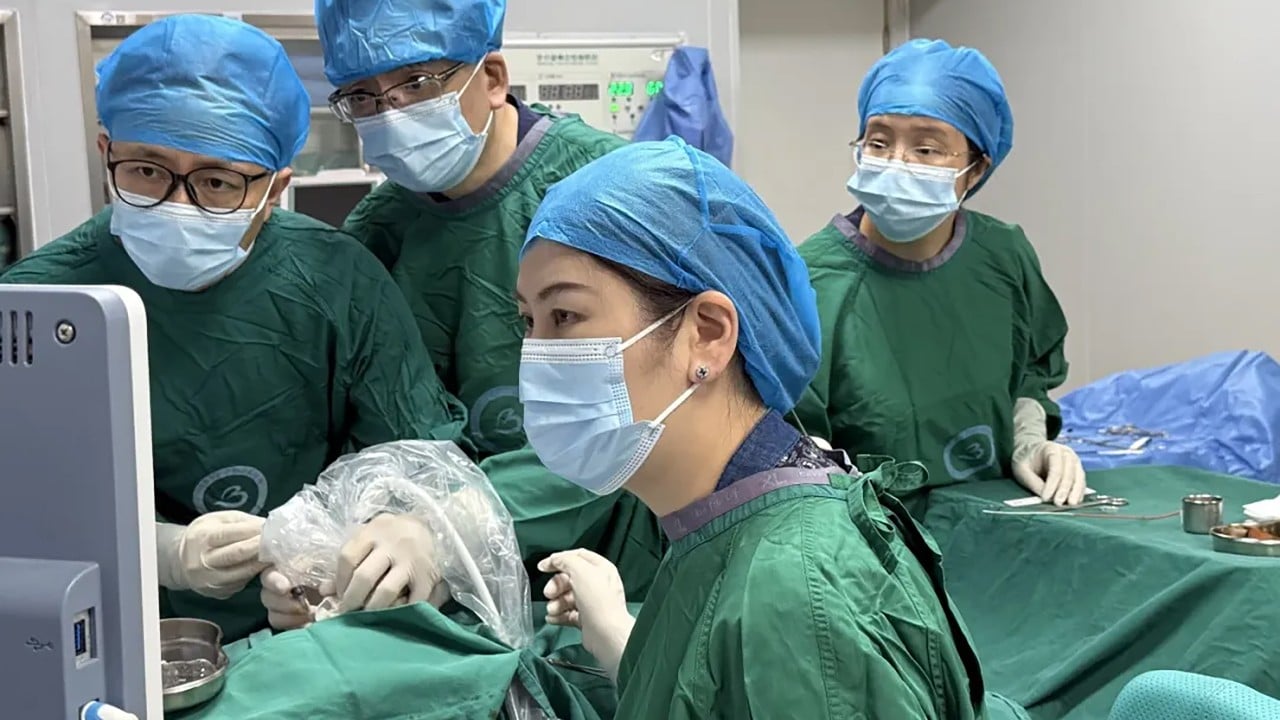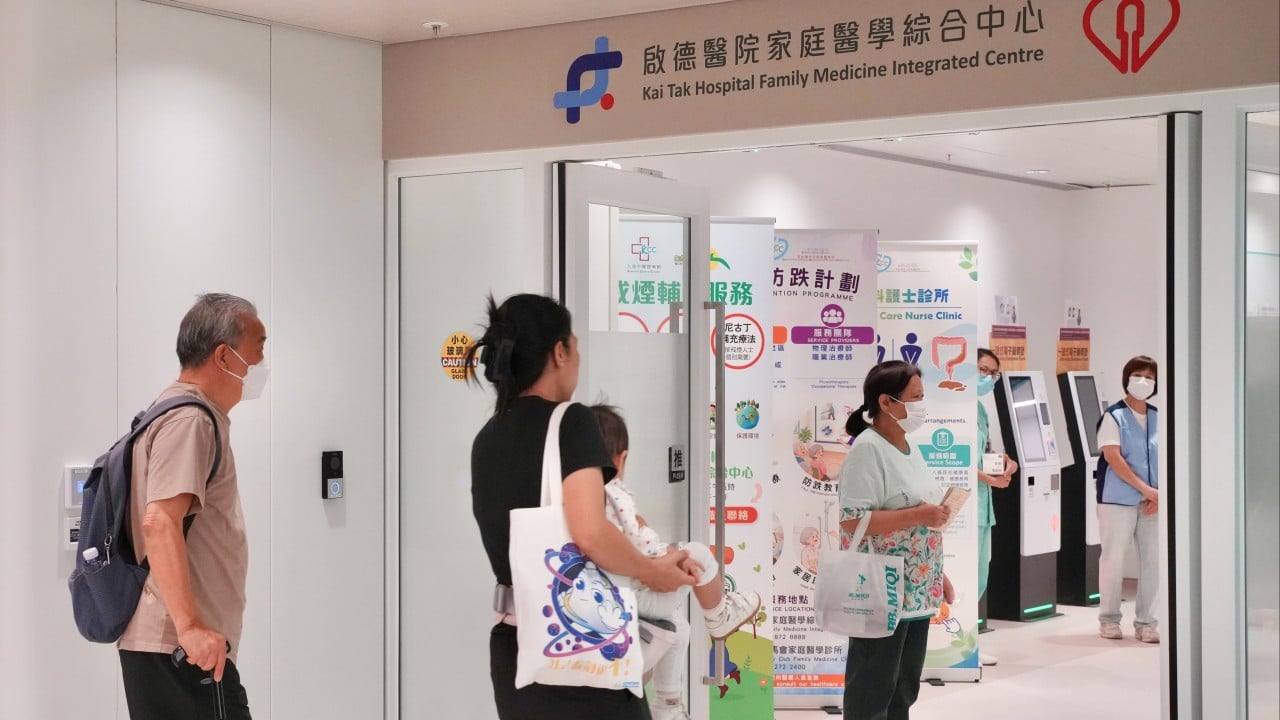
Healthcare infrastructure upgrades rarely go according to plan. Projects run late, budgets explode, and patients pay the price. Yet, the opening of Kai Tak Hospital marks a stark contrast to that frustrating status quo. When the facility officially opened its doors for its first phase of operations, staff treated roughly 350 patients on day one. That is not just a soft opening statistic. That is an operational triumph for a massive public health installation.
If you have spent any time navigating crowded emergency rooms or waiting months for specialist appointments, you know why a project of this scale matters. Healthcare systems across the globe are buckling under pressure. Kai Tak Hospital steps into that exact vacuum with a promise of modern capacity and efficiency.
The Reality on Day One
Treating 350 patients on opening day sounds chaotic. Hospital launches usually prefer a slow trickle of cases to test the plumbing, quite literally. But the medical teams at Kai Tak handled the volume by implementing strict digital triage pathways and pre-configured clinic routes.
Patients walked into an environment designed from the ground up to minimize friction. Traditional hospitals trap you in mazes of paper forms and confusing signage. This facility leans heavily on automation and integrated patient tracking. You check in digitally, your records follow your movements instantly, and clinicians spend less time hunting for charts and more time actually diagnosing issues.
Why does this matter to you? Because administrative drag kills medical efficiency. When a hospital streamlines its intake on day one, it proves that the infrastructure works under real-world pressure.
What the Initial Phase Actually Covers
The first wave of operations focuses heavily on outpatient services, specialist clinics, and specific ambulatory care units. Hospitals do not flip a switch and open every bed on day one. That is a recipe for disaster.
Instead, leadership rolled out services in a controlled sequence to ensure staff could adapt to the sprawling facility layout. You see specialized clinics taking load off neighboring regional hospitals immediately. This phased approach isolates bottlenecks before inpatient wards open at full capacity.
- Outpatient clinics absorb routine specialist visits.
- Ambulatory care handles procedures that do not require overnight stays.
- Diagnostic imaging units run at high volume to clear backlogs.
This structure protects the emergency rooms from getting choked out by non-urgent walk-ins. Every patient diverted to a specialized clinic represents a shorter wait time for someone else in crisis.
Designing for Future Capacity
Most healthcare facilities are obsolete the day ribbon-cutting scissors snip the fabric. They get built for current needs instead of projecting twenty years down the line. Kai Tak Hospital avoids this trap by baking modular design choices into its floor plans.
If a department needs to expand, the architecture accommodates it without shutting down adjacent wings. Medical tech shifts fast. Rooms feature adaptable power grids and reinforced structural ceilings capable of supporting heavy imaging equipment upgrades down the road.
You also notice an emphasis on natural light and smart ventilation systems. Modern medical architecture proves that environment directly impacts recovery times. Patients trapped in windowless basements heal slower than those with access to natural views and fresh air circulation.
Navigating the Shift
Major medical hubs bring distinct growing pains to surrounding neighborhoods. Traffic patterns shift. Public transit gets overloaded. Staffing shortages can ripple through departments if recruitment lags behind facility size.
Managing a campus this large requires a delicate balance of aggressive hiring and retention strategies. Top-tier medical gear means nothing if you do not have enough nurses and specialists to operate it. Early indicators suggest recruitment pipelines held up, but the true test arrives once inpatient beds scale to maximum capacity over the coming months.
Keep an eye on how regional referral networks adapt. When a new anchor hospital opens, patient flows change entirely. Doctors start redirecting cases that previously clogged older facilities.
If you need care in the region, check appointment guidelines before showing up. Phased rollouts mean certain departments remain closed while others operate at full throttle. Do not assume every service is live just because the lights are on. Plan your visits, use digital booking portals where available, and give the system time to smooth out its remaining operational quirks.