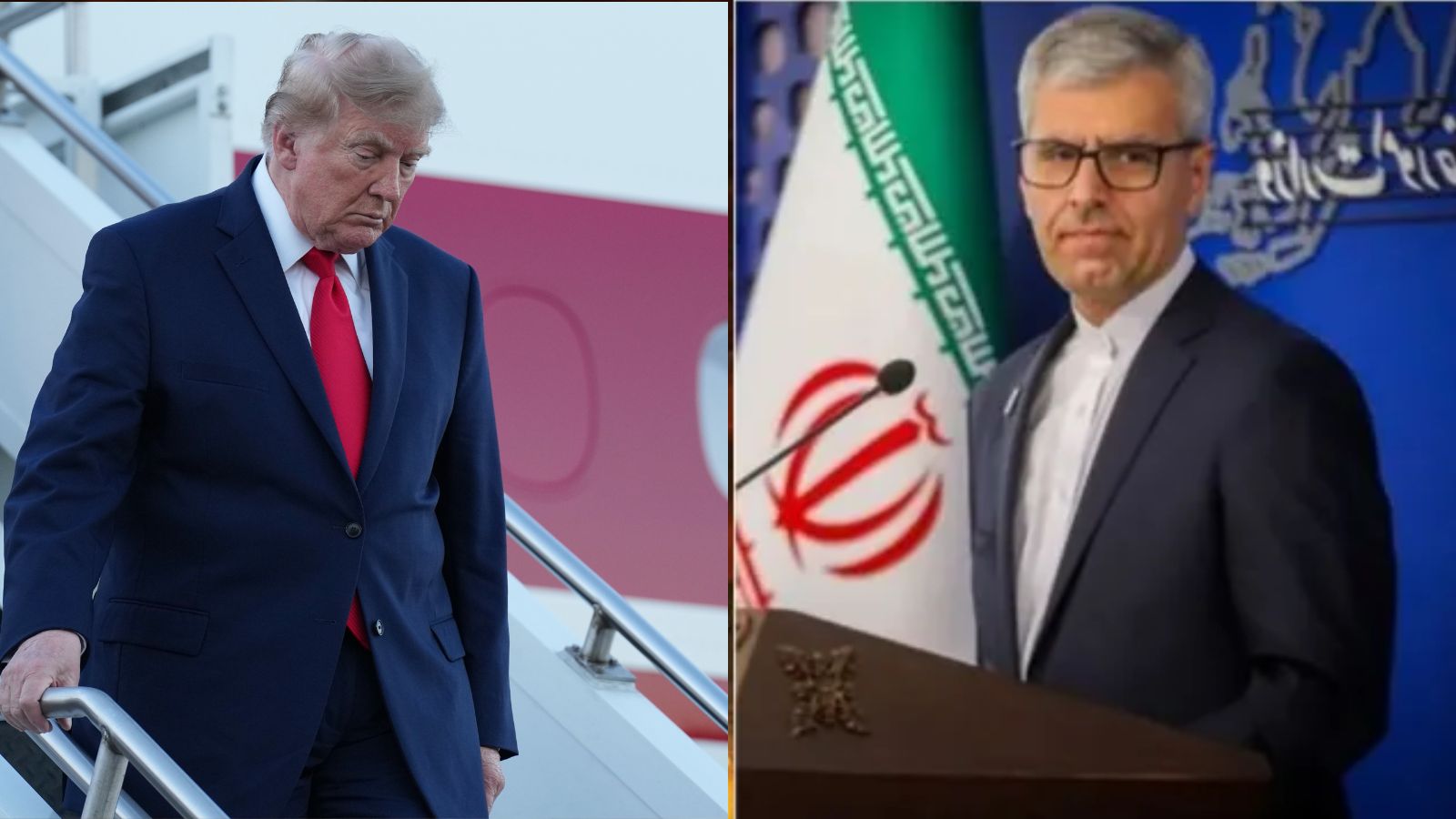
The public rhetoric coming out of Washington usually relies on a steady diet of moral certainty. When President Donald Trump took to the White House South Lawn to declare that Yemen’s Houthi rebels were "misbehaving very badly" following a barrage of drone and missile strikes targeting Riyadh’s primary international airport, the soundbite was vintage American executive theater. It framed a complex, multi-sided regional war as a simple disciplinary problem.
Yet beneath the presidential bluster lies a far more uncomfortable reality for the architecture of Middle Eastern security. The White House is finding itself trapped between its traditional security commitments to Riyadh and a pragmatic realization that direct military entanglement in the mountains of Yemen offers very little political upside. While Saudi Arabia absorbs persistent ballistic and drone volleys that have forced extended shutdowns of commercial aviation, Washington’s posture has shifted from ironclad mutual defense to transactional containment.
To understand why the Houthi movement can strike deep within Saudi territory with relative impunity while Washington weighs its options in "deciding mode", one has to look at the mechanics of modern asymmetrical warfare. The Houthis are no longer just a ragged insurgent militia holding territory in the western highlands of Yemen. Over a decade of continuous civil conflict and foreign intervention has transformed them into a sophisticated hybrid military force, equipped with domestically assembled cruise missiles, loitering munitions, and intelligence networks capable of bypassing conventional air defense radars.
When Saudi Arabia launched a major offensive against Houthi-held positions, the response was swift and disproportionate to the kingdom's expectations. Rather than folding under the pressure of coalition air campaigns, the movement retaliated by turning regional choke points and critical infrastructure into targets of economic attrition. The temporary paralysis of Riyadh's airport operations is designed to inflict maximum psychological and financial damage on Crown Prince Mohammed bin Salman’s modernization agenda, signaling that the kingdom cannot achieve domestic economic transformation while a war burns on its southern border.
The friction point for international diplomacy is the quiet diplomacy happening behind the scenes. Reports have repeatedly indicated that Washington and the Houthi leadership maintain channels of communication designed to secure non-aggression pacts specifically covering American assets and regional shipping lanes, even as Saudi installations burn. This selective deterrence creates a profound wedge within the coalition. Riyadh finds itself bearing the brunt of the kinetic blowback while its primary security guarantor negotiates localized arrangements to keep U.S. forces out of the crossfire.
This dynamic exposes the structural decay of traditional security umbrellas. For decades, American foreign policy operated on the premise that an attack on a primary Gulf partner was functionally an attack on the global energy supply, triggering immediate and overwhelming retaliation. Today, the calculus is governed by domestic political fatigue and the shadow of a prolonged broader conflict with Iran. Committing carrier strike groups and expeditionary air power to a messy counter-insurgency campaign in the southern Arabian Peninsula carries risks that far outweigh the diplomatic rewards of bailing out an increasingly frustrated regional ally.
As Saudi Arabia reorganizes its joint command structures and prepares for a multi-year slog against the movement, the strategic initiative remains firmly in the hands of actors who have mastered the art of low-cost attrition. The missile strikes on Riyadh are not random acts of defiance; they are calculated demonstrations of leverage. Until the fundamental balance of power along the Red Sea littoral shifts, Washington's verbal condemnations will remain just that—words shouted across an expanse of shifting alliances where American primacy is no longer the final word.