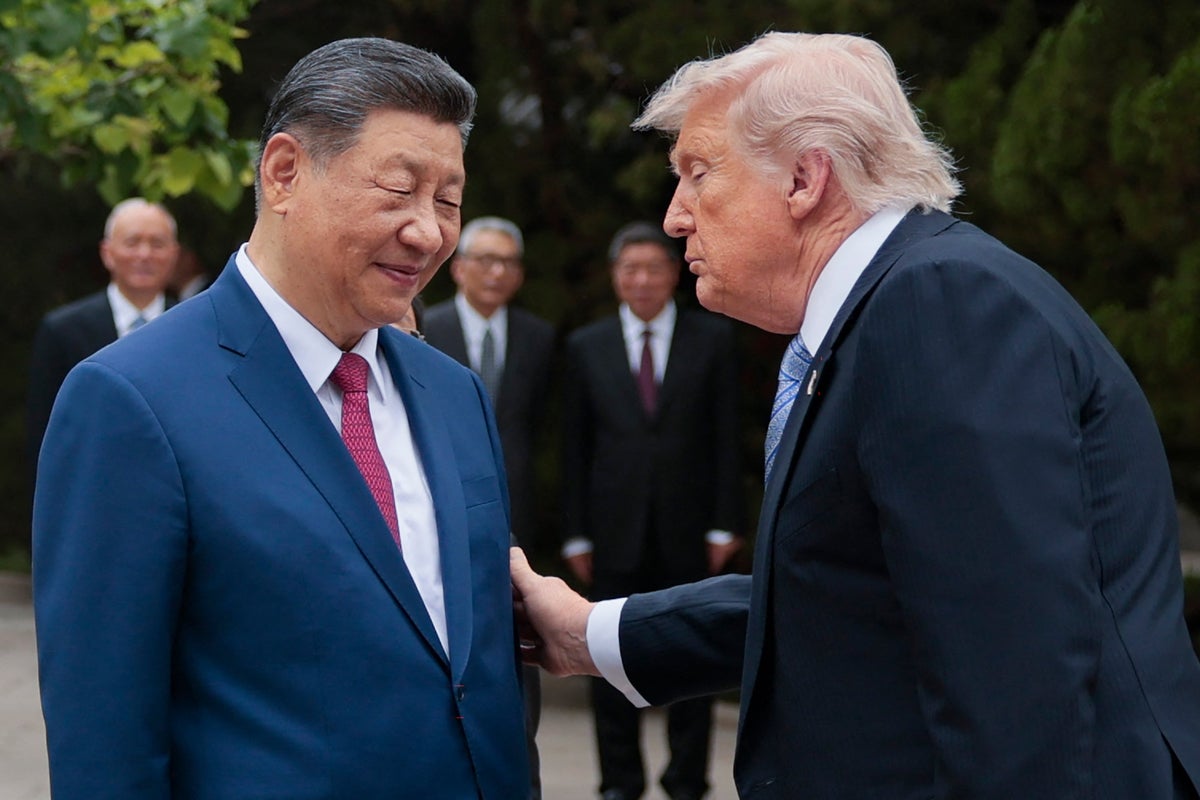
The mechanics of state-backed coercion rarely reveal themselves in diplomatic press briefings. Behind closed doors, foreign ministries trade human freedom for trade concessions, tariff relief, and geopolitical breathing room. As Washington prepares for high-stakes bilateral talks with Beijing, a familiar and grim transaction cycle is repeating itself. The United States has renewed its push for the release of American citizens and legal residents held behind bars or trapped by arbitrary exit bans within mainland China.
This is not a sudden development. It is the predictable outcome of a protracted standoff where captive individuals are treated as diplomatic chips.
The Anatomy of Coercion
Beijing's deployment of arbitrary detentions and exit bans follows a distinct operational logic. When trade negotiations sour or technology export controls tighten, the administrative apparatus inside China shifts. Foreign executives, dual nationals, and ideological dissidents find themselves ensnared in criminal or civil investigations under opaque legal pretexts.
Consider the mechanics of the exit ban. Under domestic Chinese statutes, foreign nationals can be legally barred from leaving the country if they are merely connected to an unsettled civil dispute or an ongoing preliminary police inquiry. This creates an invisible cage. No formal charges are required to keep an executive, a researcher, or a family member inside the country for years.
Bipartisan congressional panels, including the Congressional-Executive Commission on China, have repeatedly flagged this systemic practice. Lawmakers describe Beijing as the world's largest practitioner of institutionalized hostage diplomacy. The objective is simple. By targeting individuals, the state exerts direct pressure on foreign corporations, silences overseas advocacy communities, and coerces Western governments into modifying policy positions.
The individual cases tell the human story behind the geopolitical friction. Long-term prisoners like Nelson Wells Jr. and Dawn Michelle Hunt have spent over a decade incarcerated on drug trafficking charges that human rights advocates and family supporters argue lack credible due process. High-profile religious figures, such as Pastor Ezra Jin Mingri of the unregistered Zion Church, find themselves swept up in sweeping crackdowns alongside civil rights attorneys and minority community members.
The High Cost of Quiet Diplomacy
For decades, the standard playbook for dealing with overseas detentions relied on quiet, back-channel negotiations. State Department officials would quietly raise individual names during routine diplomatic exchanges, hoping to avoid antagonizing foreign counterparts.
That approach has structural limitations. When human rights issues are relegated to whispered sidebar conversations, authoritarian governments interpret discretion as weakness. They calculate that the diplomatic cost of holding a prisoner is near zero.
A hardline shift has taken root among foreign policy analysts and congressional leaders. The emerging consensus argues that raising detained Americans at the highest executive levels is a low-cost, high-return instrument. Publicizing these cases alters the calculus for Beijing. It elevates the reputational cost of arbitrary detentions and injects human rights directly into the normal course of bilateral trade and security discussions.
Yet, executive branch priorities often complicate this strategy. White House administrations of both parties frequently face a competing imperative. Securing agricultural purchase agreements, stabilizing supply chains for critical minerals, and negotiating macroeconomic treaties often vie for attention against humanitarian demands. When trade hawks and agricultural lobbyists pressure the executive branch to prioritize economic deals, individual prisoners risk becoming secondary concerns.
Leverage and the Reality of Power
Diplomacy runs on leverage. If Washington enters a summit without linking bilateral normalization to humanitarian resolutions, it squanders its primary advantage.
The structural economic relationship between the two superpowers is asymmetrical in specific ways. While consumer markets remain deeply interconnected, China's slowing domestic economy and its urgent appetite for advanced computing infrastructure and semiconductor technology create genuine vulnerabilities. Beijing desires access to high-end tech ecosystems and stable export markets.
Insisting on the freedom of detained citizens as a baseline expectation changes the dynamic. It transforms a routine leaders' summit into an accountability check. Past precedent demonstrates that public exposure works. During critical trade negotiations decades ago, targeted political publicity successfully forced the release of detained scholars and librarians when Beijing sought crucial international trade status.
Even so, total victories are rare in modern statecraft. When high-level interventions succeed, they often secure the release of specific individuals while leaving the broader institutional machinery of exit bans and political imprisonment intact. The structural risk persists for every foreign national and business traveler operating within the jurisdiction of a security state that views legal compliance as an instrument of state power.
The upcoming summit cycle will test whether executive leadership is willing to spend political capital on human freedom or settle for traditional economic communiques. The names on the state department priority lists remain in limbo, waiting to see if state power will be mobilized to bring them home.