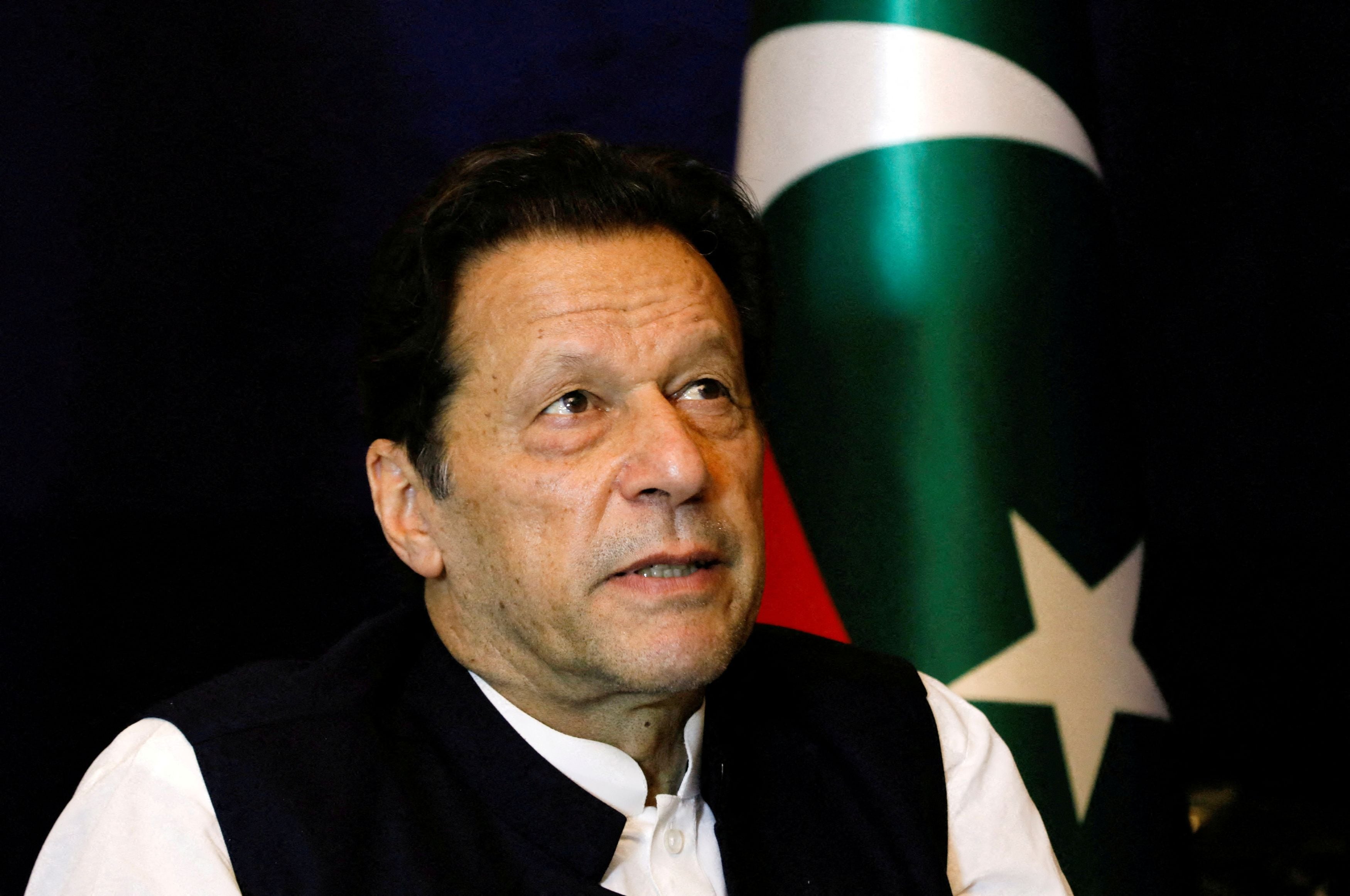
The maritime artery that feeds global energy markets is effectively severed. Mohammad Bagher Ghalibaf, the chief Iranian negotiator, confirmed on August 18, 2026, that the Strait of Hormuz will stay shuttered to international traffic. Tehran is demanding total compliance with the terms of the June Memorandum of Understanding before a single tanker passes through these waters again. For Washington, the cost of meeting these demands—lifting naval blockades, releasing billions in frozen assets, and removing oil sanctions—appears politically prohibitive, effectively signaling a shift from diplomatic posturing to a state of near-total maritime warfare.
The global economy is now staring down a barrel. A fifth of the world’s oil and liquefied natural gas formerly traversed this narrow waterway. Now, with the June deal officially dead and the diplomatic window slammed shut, the reality on the ground is stark. A vessel was struck by an unknown projectile just today, resulting in a casualty and significant engine damage. This is no longer a localized diplomatic dispute; it is a violent, tactical enforcement of a maritime exclusion zone.
The Breakdown of the June Memorandum
Diplomacy rarely dies in a clean fashion. The Memorandum of Understanding, signed in mid-June, was never a robust framework. It was a brittle attempt to buy time for both the United States and Iran. It fractured almost immediately over the fundamental definition of control. While Washington viewed the strait as a global commons that required open transit, Tehran viewed it as a leverage point to be managed for national security.
President Donald Trump characterized the deal as finished by July 7, citing the continued instability and the Iranian refusal to adhere to the spirit of the agreement. Iran’s subsequent declaration of the agreement as suspended was an inevitability rather than a shock. The sixty-day window to negotiate a permanent resolution regarding the nuclear program and regional security constraints vanished in a haze of broken trust and escalating naval strikes.
The Strategic Shift Toward Offensive Posture
Military analysts often watch for the transition from defensive maneuvering to active engagement. That transition is complete. By telegraphing a shift to a fully offensive posture, Iranian leadership is signaling that the era of back-channel assurances is over. This is a move designed to force the hand of regional allies and the United States.
The threat is simple. If the United States will not honor the economic concessions demanded—specifically the lifting of the marine blockade around Iranian ports—the alternative is an indefinite, high-stakes blockade of their own. By holding the global energy supply chain hostage, Tehran is attempting to reframe the conflict. They are effectively arguing that if they cannot trade on their own terms, nobody will trade at all.
Economic Consequences of a Sealed Strait
The immediate ripple effect of this closure is already visible in energy pricing and maritime insurance premiums. Shipping firms are increasingly wary of transiting any region where a single projectile can halt an entire global supply chain. For insurance underwriters, the risk profile has moved from manageable to existential. If a ship is struck, the vessel is lost, the crew is endangered, and the cargo is compromised.
Consider the hypothetical situation of a major commodity carrier forced to divert around the Cape of Good Hope. The added transit time increases fuel consumption by nearly forty percent, forcing carriers to hike freight rates. These costs do not remain in the shipping sector. They flow directly into the final price of gasoline, heating oil, and industrial chemicals. This is the definition of a supply shock. It is an inflationary pressure that no central bank can offset through interest rate adjustments.
The Illusion of Diplomatic Off-ramps
While nations like Turkey continue to advocate for de-escalation and offer intermediary services, the practical space for such diplomacy has evaporated. When one side is calling for a complete reversal of sanctions and the other is ruling out further extensions of failed agreements, there is no middle ground left to negotiate.
Regional instability is not merely a byproduct of this conflict; it is the primary environment in which these decisions are being made. The United States has demonstrated that it is willing to use joint military force to maintain its objectives, yet that force has not succeeded in reopening the strait. Instead, it has produced a reaction of further hardening from Tehran.
The strategy of applying maximum pressure has collided with a reality where the Iranian leadership feels it has nothing left to lose. When a state acts as if it is in an existential fight, it abandons the norms of international maritime law. The strait is closed because the political costs of opening it have become higher than the economic costs of keeping it shut.
The world is waiting for a resolution that the current political environment cannot provide. Until the fundamental deadlock between Washington and Tehran is addressed, or until one side is forced to retreat through sheer attrition, the narrow waters of Hormuz will remain a graveyard for commerce and a flashpoint for a much larger, more dangerous regional confrontation. The path forward is not found in the rhetoric of negotiators. It is found in the willingness of either side to blink first. There is no sign that either side is currently willing to do so.