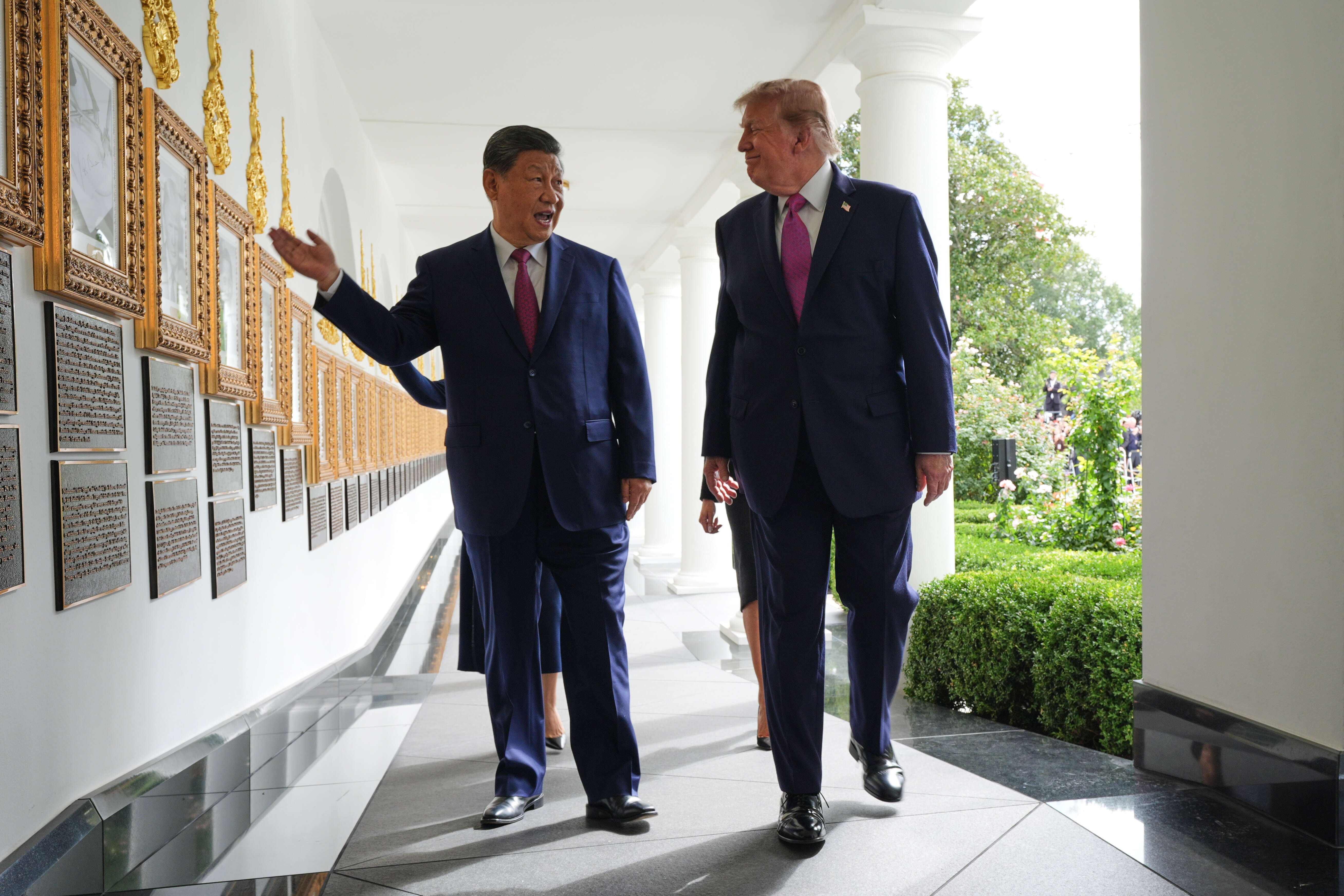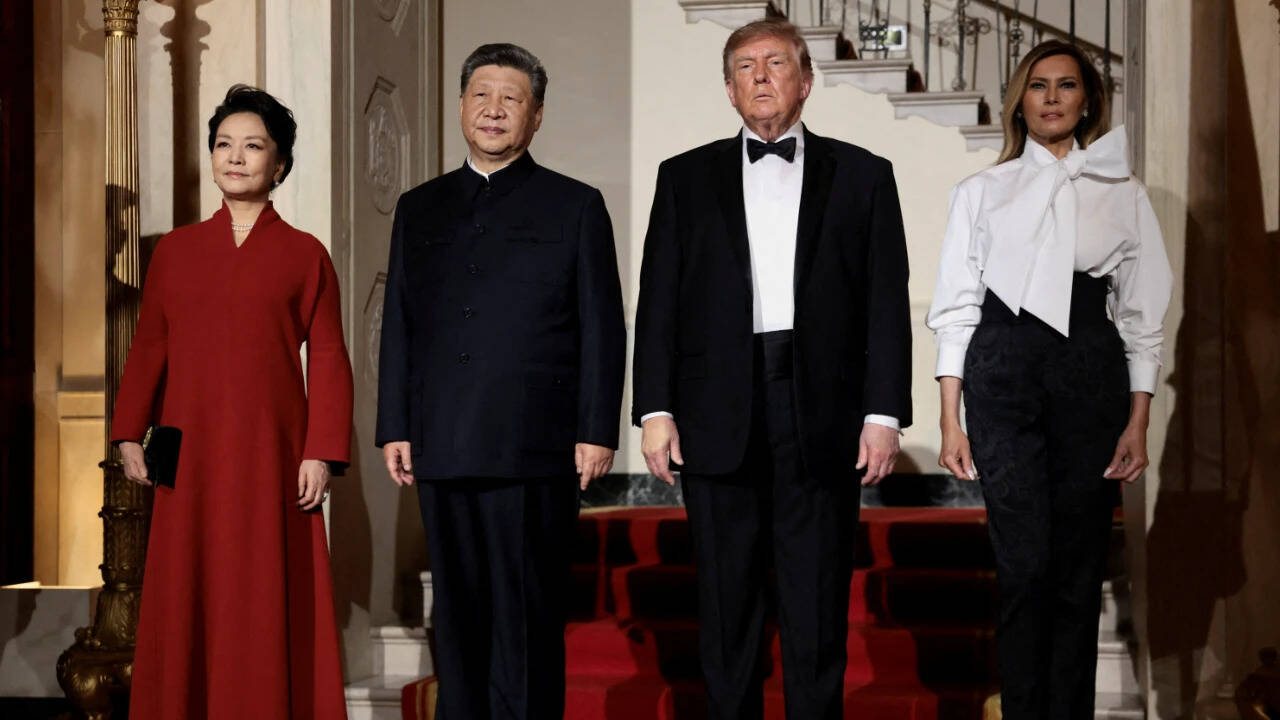
The diplomatic choreography between Washington and Beijing has settled into a predictable rhythm of temporary truces and high-stakes summits, most recently underscored by announcements of further meetings between President Donald Trump and Chinese President Xi Jinping. Behind the public theater of bonhomie lies a grimmer reality. Neither side is altering its fundamental strategic trajectory. Instead, both capitals are buying time, managing acute economic pressures, and attempting to box each other out in technology and global influence.
To understand why these recurring bilateral encounters fail to yield lasting structural resolutions, one must look past the official communiques. Trade suspensions are extended by months, not years. Rare earth export controls remain active choke points. Artificial intelligence governance frameworks are discussed, yet operational guardrails remain weak or non-existent. This is not conflict resolution. It is conflict containment, executed by leaders who recognize that total economic decoupling carries costs neither economy can absorb without severe domestic shock. For another perspective, read: this related article.
The Mechanics of Managed Friction
Trade negotiations between the United States and China have devolved into transactional bargaining chips rather than paths toward free-market normalization. When officials from both governments sit down at the Joint Trade Council or prepare for presidential summits in hubs like Shenzhen, the underlying friction points stay firmly entrenched. Washington presses for agricultural purchases and relief on critical mineral supply chains. Beijing counters by demanding relief from tariffs and a rollback of advanced semiconductor export controls.
Neither administration can afford to look weak domestically. In the United States, bipartisan skepticism toward Beijing remains one of the few unifying forces in a polarized political climate. Members of Congress stand ready to scrutinize any perceived concession, ensuring that executive branch diplomacy operates under strict legislative constraints. In China, economic headwinds and structural property sector pressures force Beijing to project unwavering strength abroad while quietly managing internal growth anxieties. Similar analysis on the subject has been published by Al Jazeera.
Consequently, agreements are drafted to be narrow and easily reversible. Temporary suspensions of retaliatory tariffs give industrial supply chains a brief window to breathe, but they fail to provide the long-term predictability businesses desperately require. Executives who treat these diplomatic pauses as permanent ceasefires do so at their own peril. Supply chain diversification away from mainland manufacturing continues quietly behind closed doors, regardless of what handshakes occur in front of the television cameras.
The Trilateral Complication
The diplomatic chessboard is further complicated by attempts to broaden these talks into unprecedented trilateral formats, pulling Moscow into the equation alongside Washington and Beijing. While administrative officials frame discussions around nuclear arms reduction and regional security issues such as the conflict in Iran, the inclusion of Russian leadership alters the optics entirely.
For Beijing, hosting such a gathering on its own turf provides an opportunity to project great-power centrality. Yet it simultaneously complicates China's long-standing diplomatic messaging regarding state sovereignty and multilateral norms. For Washington, the logic rests on the premise that direct engagement is necessary to manage nuclear proliferation risks, even if skeptics point out that the probability of concrete disarmament treaties emerging from these sessions remains exceptionally low.
Diplomacy of this scale is heavy on symbolism and light on binding commitments. Leaders meet because the alternative—an unchecked escalation of economic sanctions, naval posturing in the South China Sea, and technological embargoes—carries catastrophic tail risks. Regularized summits serve as a pressure valve, preventing minor maritime miscalculations or commercial disputes from spiraling into direct confrontation.
The Structural Inevitability of Competition
Observers looking for a grand bargain between the world's two largest economies fundamentally misunderstand the nature of the relationship. The structural competition between the United States and China is zero-sum in critical domains like advanced computing, aerospace, and military hegemony. No amount of summit-level diplomacy will reconcile Washington's imperative to maintain technological supremacy with Beijing's drive for self-reliance and regional dominance.
As these leaders prepare for their next encounters, markets and analysts should expect more administrative management rather than strategic resolution. The ongoing dialogue is designed to prevent a collapse, not to build an alliance. Beneath the handshakes and the scheduled rounds of talks, the architecture of a long-term great power rivalry hardens with every passing quarter.