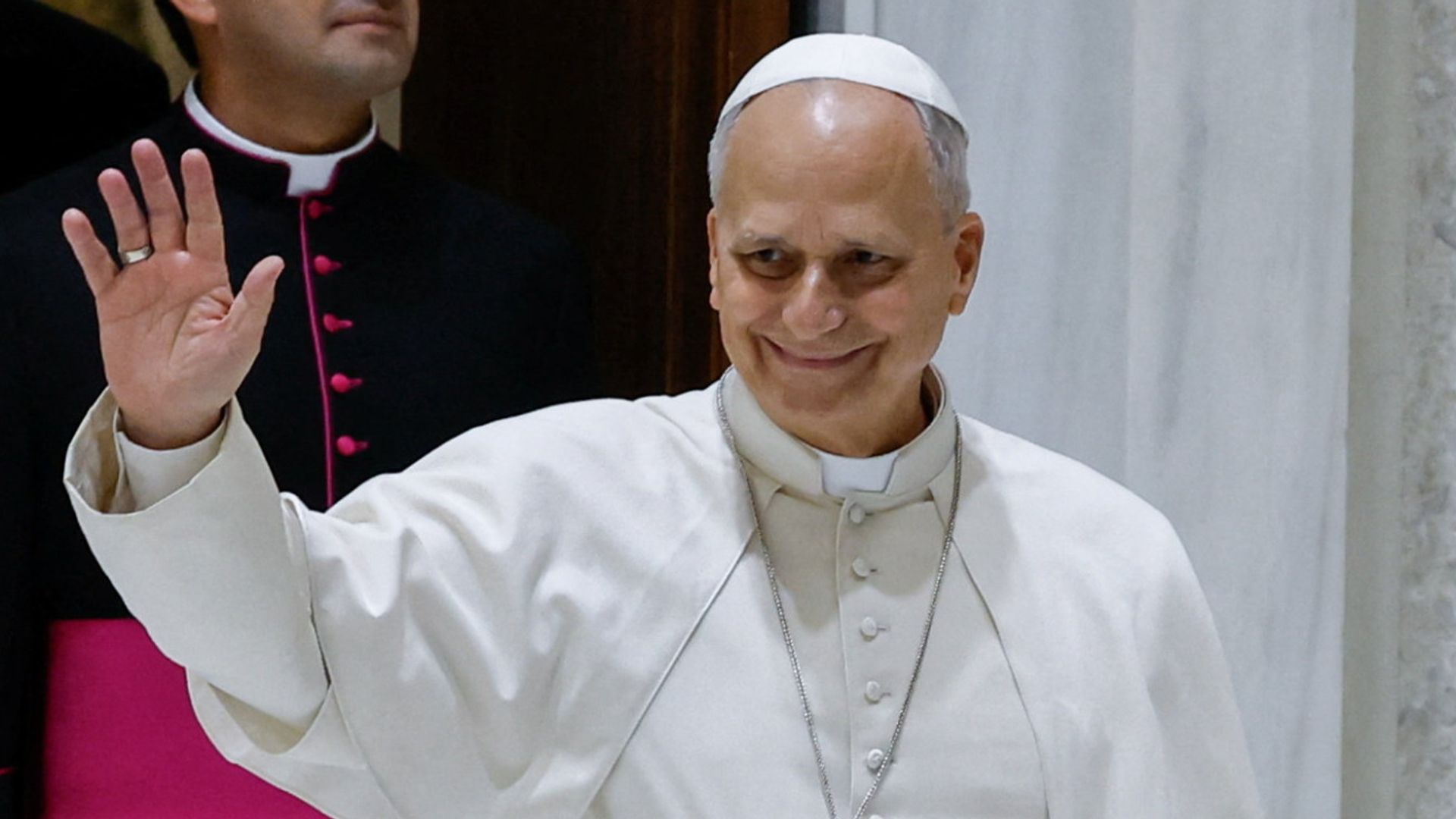
The Vatican's sudden release of a formal Pope health update right before a grueling South American itinerary is far more than routine diplomatic housekeeping. It is a calculated risk-management maneuver designed to calm global anxiety, reassure host nations investing millions in security and infrastructure, and manage expectations for an aging pontiff facing the physical realities of high-altitude travel and relentless public schedules. When the Holy See issues proactive medical reassurances ahead of a long-haul apostolic journey, seasoned Vatican watchers know the stakes extend well beyond a simple checkup.
Reading Between the Lines of Vatican Medical Diplomacy
For decades, the Holy See treated papal health like a state secret, adhering to the old Roman maxim that a pope is never sick until he is dead. That era is gone, replaced by a strategy of controlled transparency. Yet every word in a Vatican press office bulletin is weighed with surgical precision.
When officials announce that the pontiff is cleared for travel, they are rarely describing a clean bill of health in the way a forty-year-old athlete would understand it. They are stating that his chronic conditions—whether respiratory vulnerability, mobility limitations, or post-surgical recovery—are currently stabilized enough to withstand the acute stress of international flight and back-to-back public liturgies.
Notice what these updates emphasize and what they omit. You will read about positive responses to physical therapy, normal blood work, or the absence of acute infection. You will almost never read granular details about daily medication regimens, oxygen saturation thresholds, or contingency evacuation protocols. The bulletin serves a dual purpose. It projects vitality to the faithful while quietly signaling to local organizers that the schedule may require last-minute modifications, seated addresses instead of standing homilies, or shortened motorcade routes.
The Physiological Toll of a South American Apostolic Journey
A trip across the Atlantic to South America is arguably the single most physically punishing itinerary on the papal calendar. Unlike short hops within Europe, a South American tour combines extreme flight duration, drastic climate shifts, and intense emotional demand.
Cabin Pressure and Respiratory Strain
Spending twelve to fourteen hours in a pressurized aircraft cabin takes a measurable toll on any elderly traveler, particularly one with a history of bronchial inflammation or reduced lung capacity. Commercial and chartered aircraft cabins are typically pressurized to the equivalent of 6,000 to 8,000 feet above sea level. At that altitude, ambient oxygen levels drop noticeably, forcing the heart and lungs to work harder just to maintain baseline oxygenation.
For a pontiff who has previously battled acute bronchitis, seasonal flu complications, or pleural inflammation, prolonged cabin dryness and mild hypoxia are not trivial inconveniences. They are direct triggers for airway irritation and fatigue. Vatican medical teams counter this with strict hydration protocols, humidified rest quarters, and closely monitored pre-flight respiratory treatments, but biology sets hard limits that no amount of liturgical enthusiasm can override.
Altitude, Humidity, and Schedule Compression
Once on the ground, the environment rarely offers relief. South American itineraries frequently swing between humid coastal lowlands and high-altitude Andean cities. Moving from sea level to elevations exceeding 8,000 or 9,000 feet—common in cities like Quito, Bogotá, or La Paz—triggers immediate physiological stress. The body responds to thinner air with an elevated heart rate, higher blood pressure, and rapid exhaustion during even brief physical exertion.
Add to this the sheer density of a papal schedule. A standard day on an apostolic journey begins before dawn and stretches late into the evening, packed with:
- Open-air Masses before hundreds of thousands of people under unpredictable weather conditions.
- Formal diplomatic meetings with heads of state that require sharp cognitive focus and adherence to strict protocol.
- Unscripted encounters with crowds, where emotional energy runs high and physical boundaries blur.
- Constant transitions between aircraft, helicopters, armored vehicles, and wheelchairs or mobility aids.
Even a healthy person half the pope's age would struggle to maintain that pace for a week without experiencing severe jet lag and immune suppression.
Inside the Flying Hospital and Contingency Playbook
Few outsiders realize the sheer logistical weight behind keeping a modern pope upright and functional on the road. When the papal plane lifts off from Rome's Fiumicino Airport, it carries a miniature, mobile intensive care unit tucked away behind the press cabin.
The papal medical team is led by the pontiff's personal physician, supported by specialized nurses, anesthesiologists, and emergency care technicians. They travel with portable diagnostic equipment, cardiac monitors, defibrillators, supplemental oxygen systems, and a curated pharmacy tailored to every known vulnerability in the pope's medical chart.
Before the plane ever leaves Italy, Vatican advance teams spend months mapping out medical contingencies in every host city. They do not simply identify the nearest hospital; they audit specific surgical suites, verify blood bank supplies matching the pope's blood type, and establish cleared, rapid-transit corridors from every event venue to a designated trauma center. Local ambulances trail the papal motorcade at a discreet distance, invisible to television cameras but ready to intervene within seconds.
The Geopolitical Stakes of a Canceled or Scaled-Back Trip
Why push forward with such a demanding trip when staying in Rome would eliminate almost all physical risk? The answer lies in the intersection of pastoral duty and geopolitical strategy.
South America remains the demographic heartland of global Catholicism, yet it is also a region undergoing rapid religious and political transformation. Secularism is rising in major urban centers, evangelical movements are expanding rapidly across rural and working-class communities, and several nations are grappling with acute economic instability, migration crises, and political polarization.
A papal visit is one of the few diplomatic instruments capable of commanding universal attention across fractured societies. Host governments invest staggering sums in security, road repaving, and crowd management months in advance. For a president facing domestic unrest, standing beside the Bishop of Rome offers priceless international legitimacy. For local bishops, the visit is a generational catalyst meant to revitalize church attendance and moral authority.
Canceling a trip at the eleventh hour creates a diplomatic vacuum and triggers immediate, worldwide speculation about a succession crisis in Rome. By issuing a reassuring Pope health update beforehand, the Vatican buys political stability. It signals to presidents, bishops, and ordinary citizens that Rome honors its commitments, even if the messenger must deliver his address from a wheelchair rather than a podium.
How Modern Popes Redefined Public Vulnerability
Historically, visible physical decline in a pope was viewed as a sign of institutional weakness. During the final years of several twentieth-century pontificates, aides went to extraordinary lengths to conceal tremors, fatigue, and mobility loss from the public eye.
That philosophy collapsed during the final decade of Pope John Paul II's reign, when his struggle with Parkinson's disease played out in high definition before a global audience, and shifted again with Pope Benedict XVI's historic 2013 resignation—an explicit acknowledgment that the modern papacy demands a level of physical and mental stamina that advanced age eventually erodes.
Today, the paradigm has shifted toward visible resilience. Using a cane, a walker, or a wheelchair in front of television cameras is no longer treated as an embarrassment to be cropped out of official photographs. Instead, Vatican communicators frame physical limitation as an integral part of pastoral leadership—a visual demonstration that age and infirmity do not disqualify a leader from service.
Yet there is a fine line between inspiring perseverance and alarming the faithful. When a pontiff appears visibly breathless, struggles to read a prepared homily, or delegates a speech to an aide at the last minute, the narrative shifts instantly from pastoral vigor to institutional fragility. The pre-trip health update is the Vatican's primary tool for controlling that narrative before the first camera shutter clicks on the tarmac.
What Observers Should Actually Watch During the Tour
Press releases tell you what the Vatican wants you to believe; unscripted moments on the ground tell you what is actually happening. If you want to gauge the true state of papal endurance during a demanding international journey, ignore the official adjectives and watch three concrete indicators.
1. Speech Delivery and Improvisation
A healthy, rested pontiff routinely sets aside prepared texts to speak off the cuff, cracking jokes, engaging directly with local slang, and extending remarks well past their scheduled window. When energy reserves drop or breathing becomes labored, improvisation disappears first. Watch whether the pope reads strictly from the page, rushes through paragraphs, or hands off lengthy addresses to a deputy while offering only brief greetings.
2. Transfer Mechanics and Public Sightings
Pay close attention to how the pope enters and exits aircraft and vehicles. In recent years, the Vatican has increasingly utilized enclosed scissor lifts—similar to catering trucks—to board and disembark the papal plane out of public view, sparing the pontiff the steep, exposed staircase that once served as the iconic backdrop of every arrival. Similarly, shorter appearances in the open-air popemobile and longer intervals between public events indicate that doctors are actively rationing his daily energy budget.
3. Schedule Compressions in Real Time
In Vatican parlance, "adjustments to the program" rarely mean adding events. When an evening courtesy call is quietly downgraded to a brief greeting at the residence, or when a scheduled walk through a cathedral aisle is replaced by direct access through a side sacristy, you are watching the medical team enforce limits in real time.
The Unspoken Reality of Aging Leadership in Rome
The Catholic Church operates on a timeline measured in centuries, yet it is governed by human beings subject to the unforgiving math of geriatric medicine. Every major apostolic journey at an advanced age carries an inherent gamble. Doctors can optimize hydration, manage inflammation, and build buffers into the daily itinerary, but they cannot eliminate the cumulative strain of travel across time zones and climates.
The latest Pope health update is neither a guarantee of smooth sailing nor a coded warning of imminent collapse. It is an honest reflection of modern papal governance: a delicate, ongoing negotiation between global mission and human biology, conducted under the relentless glare of the world's cameras. When the papal plane finally touches down in South America, the real test will not be found in a diplomatic communiqué from Rome, but in how a frail man endures the heat, the altitude, and the roar of a million voices waiting on the tarmac.