Geopolitical calculations in Washington and the Middle East shifted violently when flydubai Flight 1073 nearly became a catastrophic weapon. When US President Donald Trump stated publicly that Iran would be hit "very hard" if intelligence confirmed Tehran's hand in the cockpit assault, he bypassed standard diplomatic ambiguity.
The incident itself—a mid-air struggle aboard a Boeing 737 MAX flying from Dubai to Tel Aviv—shattered the fragile security assumptions governing commercial aviation in the region. First Officer Hamam al-Hammami allegedly attacked Captain Smit Machchhar with a crash axe before throwing the aircraft into a terrifying, high-speed descent. Only swift action by the wounded captain, deadheading pilots, and passengers prevented the plane from crashing. But as the wreckage settled in Saudi Arabia, the spotlight shifted immediately from flight deck security to the corridors of intelligence agencies trying to trace a conspiracy.
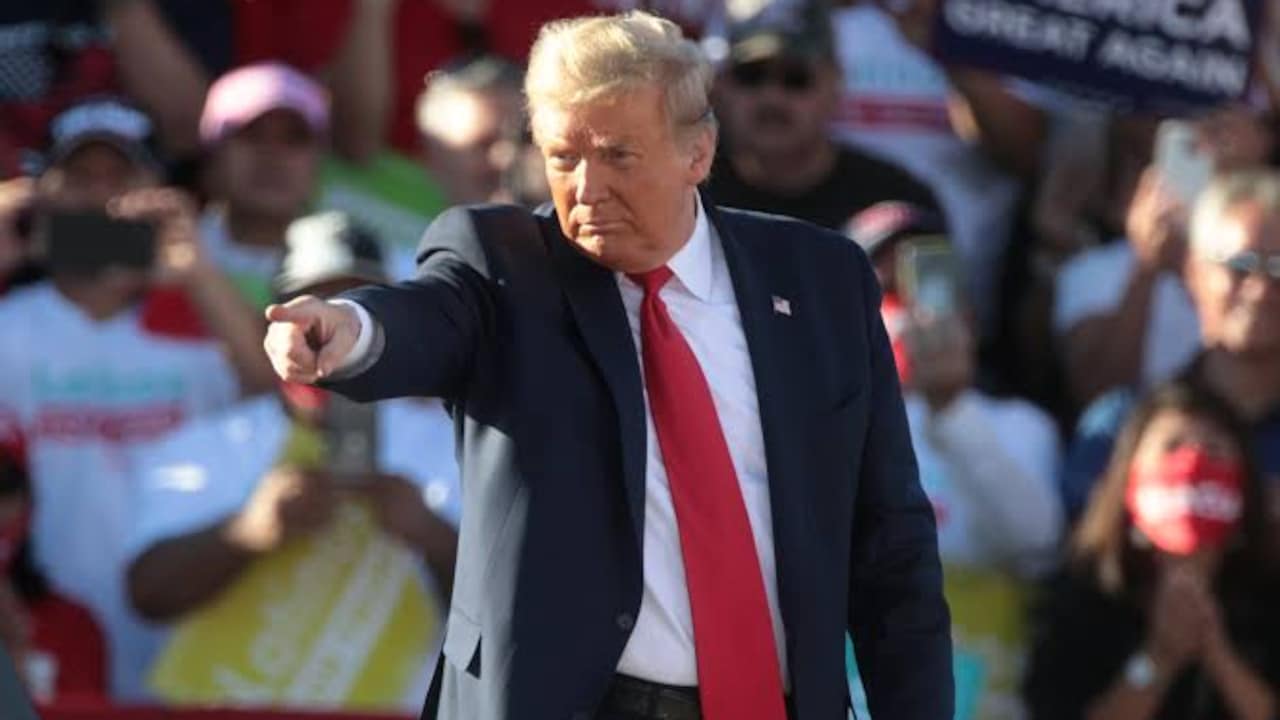
Trump's remarks on the White House South Lawn laid bare the administration's early assessments. Asked if the co-pilot was linked to Iran, Trump replied that based on what he was hearing, the answer was yes, though investigations remained active. This direct linkage between an apparent lone-actor cockpit infiltration and a sovereign state's clandestine operations introduces a dangerous escalation ladder. If a commercial airliner can be weaponized from within by an operative with alleged radical sympathies, international aviation authorities face an existential threat that goes far beyond traditional baggage screening or perimeter security.
The friction point lies in the verification gap. While Israeli officials pointed to digital footprints suggesting extremist indoctrination, and foreign leaders debated the exact chain of command, intelligence communities are left scrambling to prove state sponsorship. Establishing a direct command-and-control link between Tehran and a commercial first officer requires unassailable forensic evidence—encrypted communications, financial trails, or operational handoffs. Without these receipts, threats of severe retaliation risk triggering an open regional conflict based on circumstantial alignments.
Yet, deterrence in the modern era rarely waits for academic certainty. Trump's explicit warning is designed to alter Iran's risk calculus long before a final investigative report is published. By publicly tying any verified Iranian complicity to massive military retaliation, Washington is attempting to freeze potential follow-on operations across civilian transit networks.
Commercial aviation has long been viewed as a vulnerable soft target for asymmetric warfare. If hostile state actors determine that co-opting flight crew members is a viable vector for high-impact attacks, the economic and psychological fallout for global travel will be profound. Airlines, insurers, and regulators are already reassessing threat matrices that previously accounted for surface-to-air missiles and traditional hijackings, but rarely internal betrayal.
The situation remains fluid as Saudi, Emirati, and international investigators pore over seized devices and flight recorders. Whether the evidentiary trail leads directly to the Islamic Revolutionary Guard Corps or stops at self-radicalization remains to be seen. But the political die has been cast. The threshold for what constitutes an act of war has descended to the flight deck door, and the margin for error has evaporated.
Fubu Toy review
This video provides background context on the discussions surrounding the foiled flydubai flight incident and the subsequent political statements from Washington.