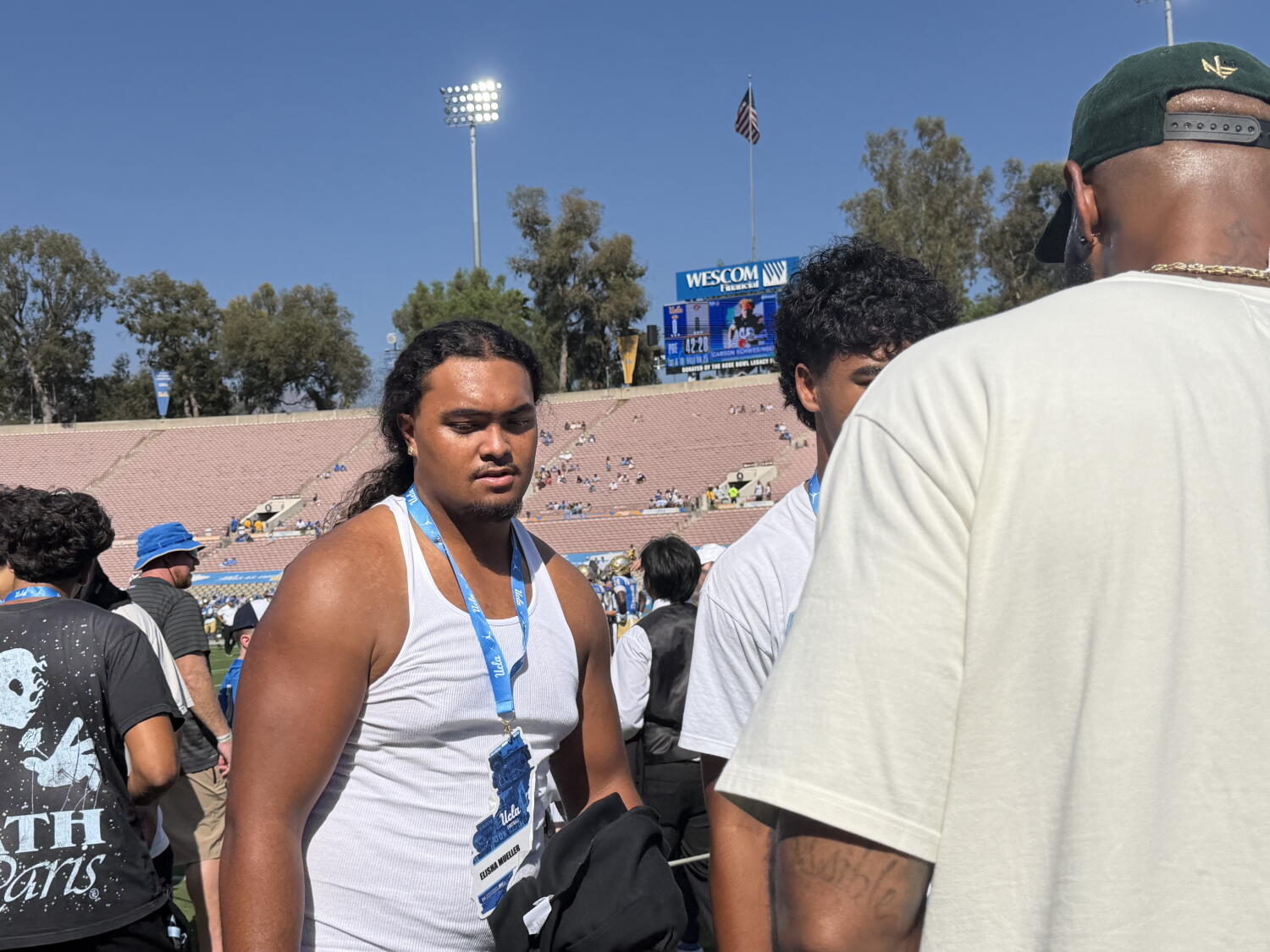
When high school football players who transferred into Southern California programs complete their mandatory sit-out period, the competitive baseline of the Trinity League shifts overnight. Midseason eligibility triggers an immediate injection of varsity-ready talent into powerhouse programs like Mater Dei and St. John Bosco. For months, these athletes sat on benches, limited to practice squads while watching league play unfold from the sidelines. Now, the statutory waiting period mandated by the California Interscholastic Federation expires, altering depth charts, shaking up state rankings, and injecting volatile new variables into an already brutal conference schedule. This isn't just about adding depth; it is a midseason roster overhaul that tests the limits of high school athletic governance.
The Mechanics of the Sit Out Period
The rules governing high school athletic transfers in California are explicit, complex, and designed to curb unmitigated movement. Under CIF Southern Section bylaws, any student-athlete switching schools after starting ninth grade faces strict eligibility determinations. Unless a family executes a valid change of primary residence or qualifies under narrow hardship exceptions, transferring athletes face a sit-out period equal to fifty percent of the maximum number of varsity contests in their sport.
That mathematical formula dictates the rhythm of Southern California high school football. Players who enroll at a new campus during the summer or early fall watch the first half of the season tick away from the grandstands. They practice every day, absorb complex playbooks, and build chemistry with new teammates, yet they cannot wear pads on Friday nights.
Coaches manage these players carefully. They must keep elite prospects engaged without exposing them to live-game contact that might risk injury before their clearance date arrives. When Monday morning finally brings official clearance from the section office, the transition from scout team spectator to Friday night starter happens at a dizzying pace. Programs with the resources of the Trinity League treat this influx not as a luxury, but as an engineered second-wave offensive.
To understand why this milestone carries such weight, one must examine the institutional machinery behind Bylaw 207. The CIF requires extensive documentation, including the Athletic Transfer Eligibility Application and formal sign-offs from both the former and receiving schools. Section commissioners review academic transcripts, disciplinary records, and residential history to verify that every statutory requirement is met. When the calendar finally reaches the designated clearance date, the administrative friction vanishes, replaced instantly by high-octane competitive pressure on the practice field. Every program navigates this transition differently, but the underlying urgency remains universal across the conference.
Power Dynamics Within the Elite Tier
The Trinity League is widely recognized as the most punishing high school football conference in America. Programs within this grouping routinely feature rosters laden with Division I prospects, national media exposure, and multi-million-dollar athletic facilities. Adding reinforcements mid-season amplifies an already extreme competitive imbalance.
Consider a hypothetical scenario where an elite quarterback or a lockdown cornerback transfers during the offseason, serves the mandatory half-season suspension, and gains clearance just as league play reaches its peak. That addition does not merely improve a team's depth; it completely alters tactical matchups. Defensive coordinators who spent weeks preparing tape on a specific offensive identity suddenly find themselves scouting a completely different dimension of talent.
Mater Dei and St. John Bosco operate at a scale that attracts elite talent from across the region. When these programs integrate newly eligible players, the internal competition for starting positions reaches a boiling point. Egos clash, practice intensity spikes, and internal depth charts face immediate restructuring. Backup players who earned their snaps through hard work during August and September suddenly find their playing time threatened by arrivals who cleared bureaucratic hurdles. This environment demands extreme mental resilience from teenagers caught in high-pressure athletic machinery.
Furthermore, the strategic challenge for coaching staffs is immense. Introducing a new star player into an established offensive or defensive system mid-season requires delicate manipulation of play-calling chemistry. If an incoming transfer dominates touches at the expense of players who carried the load during the non-league slate, locker room friction can erode team unity. Conversely, failing to maximize the newly available talent means squandering a competitive advantage that rival programs will aggressively exploit every Friday night.
Scrutiny and the Question of Athletic Motivation
Behind every high school football transfer lies an intricate web of family decisions, academic choices, and athletic aspirations. Yet, the governing bodies operate under strict statutory frameworks designed to root out recruitment and undue influence. CIF Bylaw 510 prohibits pre-enrollment contact and explicitly targets transfers driven primarily by athletic motives.
When multiple players migrate toward the same private school corridor, regulatory antennae rise. Investigators look for club team associations, coach relocations, and pre-existing relationships that might invalidate a transfer. The burden of proof rests heavily on families and school administrators to demonstrate that a move stemmed from genuine academic, safety, or residential shifts rather than a desire to win championships.
Critics argue that the current system creates an uneven playing field where well-resourced private schools navigate transfer protocols with legal and administrative backing that public school athletic departments cannot match. Proponents of student mobility counter that teenagers deserve the freedom to change educational environments when athletic or academic alignment proves unsatisfactory. This ongoing ideological tug-of-war forms the subtext of every midseason clearance window.
Investigating these movements reveals a shadow network of club coaches, 7-on-7 circuit organizers, and private trainers who frequently intersect with high school programs. While direct recruitment remains strictly banned, informal networks often facilitate introductions between families seeking greener pastures and elite coaching staffs looking for missing roster pieces. Section investigators face an uphill battle trying to prove pre-enrollment contact in an era where communication occurs through encrypted messaging apps and informal club environments that exist outside school oversight.
The Psychological Weight on Teenage Competitors
While analysts focus on stat lines, recruiting rankings, and playoff implications, the human element of midseason eligibility often remains obscured. Sitting out five or six games of a ten-game regular season creates a unique psychological burden. A teenager moves to a new campus, integrates into a high-pressure cultural environment, and must wait months for validation on the field.
During this waiting period, social friction can accumulate. Teammates who bled together through summer conditioning may harbor quiet resentment toward newcomers who occupy headlines without having taken a snap. When clearance day arrives, the pressure to instantly perform matches the intensity of collegiate debuts. A newly eligible player cannot afford a slow start; expectations demand immediate dominance.
Coaches carry the burden of managing these fragile locker room chemistries. Integrating high-profile talent without alienating the core group requires exceptional communication and emotional intelligence. A mismanaged transition can fracture team unity faster than any opponent on the schedule.
Athletes dealing with this transition often experience acute performance anxiety. They carry the financial and reputational weight of family expectations, scholarship offers from major universities, and the intense scrutiny of recruiting analysts who track every high school snap. When they finally step onto the field after weeks of spectator status, the margin for error is razor-thin, turning every single play into an evaluation of their worth.
Systemic Pressures Across Regional Athletics
The ripple effects of Trinity League football transfers extend far beyond the campuses of clandestine elite private schools. Surrounding public school programs and lower-tier private leagues feel the downstream consequences of talent concentration. When elite athletes migrate toward the established superpowers, competitive parity across the broader Southern Section suffers.
Smaller programs that develop talent through local youth leagues often watch helplessly as standout players transfer upward once their athletic profile reaches a threshold that attracts elite attention. This dynamic transforms high school football into an ecosystem resembling professional free agency, complete with recruiting whispers, parental maneuvering, and institutional jockeying.
Efforts by athletic associations to tighten bylaws and enforce penalties for recruiting violations have done little to stem the tide. The institutional rewards for winning state and national titles create powerful incentives to push regulatory boundaries. As long as athletic success drives prestige, enrollment numbers, and external visibility, families and programs will continue to test the limits of transfer eligibility rules.
The administrative machinery never sleeps. Section offices process hundreds of transfer applications annually, weighing the legitimacy of hardship claims against the rigid framework of state bylaws. As legal challenges from families denied immediate eligibility become more common, athletic associations find themselves defending their authority in civil courts, introducing an entirely new layer of complexity to high school sports administration.
The clock ticks down toward kickoff, and the administrative paperwork clears the desk of section commissioners. On Monday morning, the bureaucratic waiting ends, and the real test begins on the turf where reputation meets reality.