Armed groups aligned with or backed by Israel have increasingly turned their weapons inward against Palestinian civilians in Gaza, raiding shelters, seizing scarce aid, and enforcing street-level intimidation on families already stripped of basic security. Where coverage often stops at sensational threats or isolated raids, the deeper story lies in how fractured governance, wartime desperation, and proxy coercion reshape daily survival inside the strip.
I have covered irregular warfare and proxy politics for over twenty-five years across the Levant and beyond. Patterns rarely arrive out of nowhere. When regular state structures collapse or retreat, shadow actors step into the vacuum, using coercion, material leverage, and local grievances to carve out territory and obedience.
How Proxy Militias Take Root in Shattered Territory
Proxy arrangements thrive where authority is fragmented. In a densely packed territory battered by prolonged conflict, displacement, and economic ruin, control over movement, food, and security becomes a form of currency.
Armed factions operating with outside backing do not need to match a conventional army head-on to shape life on the ground. They rely on checkpoints, sudden night raids, intimidation at distribution points, and selective protection to establish dominance over neighborhoods that no longer have functioning police or municipal courts.
To see how coercion works in practice without inventing a single incident, consider a hypothetical example. Suppose an armed local unit receives fuel, cash, or weapons through an external sponsor while facing fierce hostility from mainstream residents. Rather than winning public trust, the unit uses intimidation to silence informants, claims control over a contested block, and pressures families to stay quiet or leave.
That dynamic explains why localized raids feel so personal and destabilizing. A knock at the door or an armed threat outside a tent is not just an isolated act of violence. It is a bid to prove who holds power when law enforcement has vanished.
The Mechanics of Coercion and Aid Control
Scarcity turns logistics into leverage. When food, water, medicine, and fuel are scarce, whoever controls a convoy or a corridor holds life-or-death influence over thousands of people.
Reports from Gaza have long highlighted the breakdown of orderly distribution and the hazards facing aid workers and civilians trying to reach supplies. When armed men attach themselves to supply routes, raid homes suspected of harboring rivals, or threaten residents who protest their presence, humanitarian space shrinks even further.
- Intimidation at close range: Direct threats against families in shelters or damaged homes create a climate of fear that discourages testimony and collective pushback.
- Control over scarcity: Influencing access to goods or safe passage gives armed actors bargaining power that pure force alone cannot sustain.
- Fragmented accountability: When multiple factions, clans, and outside patrons overlap, civilians struggle to know who ordered an action or where to seek redress.
Why External Backers Use Local Armed Groups
States and intelligence services have backed local proxies for decades across conflict zones. The appeal is straightforward on paper: deniability, lower direct troop exposure, and local knowledge of streets, family ties, and rivalries.
In practice, proxy strategies carry heavy risks. Local armed actors often bring their own scores to settle, criminal networks, or clan disputes into the arrangement. What a sponsor views as a tactical tool for disrupting an adversary or policing a perimeter can quickly mutate into predatory behavior against ordinary residents.
History offers plenty of warnings from Lebanon, Iraq, and elsewhere. Outsourcing security or disruption to irregular groups rarely produces clean, predictable outcomes. Instead, it often multiplies centers of violence and leaves civilians caught between competing guns.
Tactical Gains Versus Long-Term Blowback
Supporters of hardline security measures sometimes argue that backing local rivals weakens entrenched militants and creates pressure points inside hostile territory. That argument rests on a narrow tactical calculation.
Even if a proxy group harasses a rival faction or gathers intelligence, predatory raids against families carry steep strategic costs. Alienating an entire population breeds deep resentment, undermines claims of moral or legal restraint, and makes any future stabilization effort far harder.
A proxy is never a blank slate. It is a collection of personalities, survival instincts, and local ambitions that can turn unpredictable the moment incentives shift.
The Toll on Gaza Families Caught in the Middle
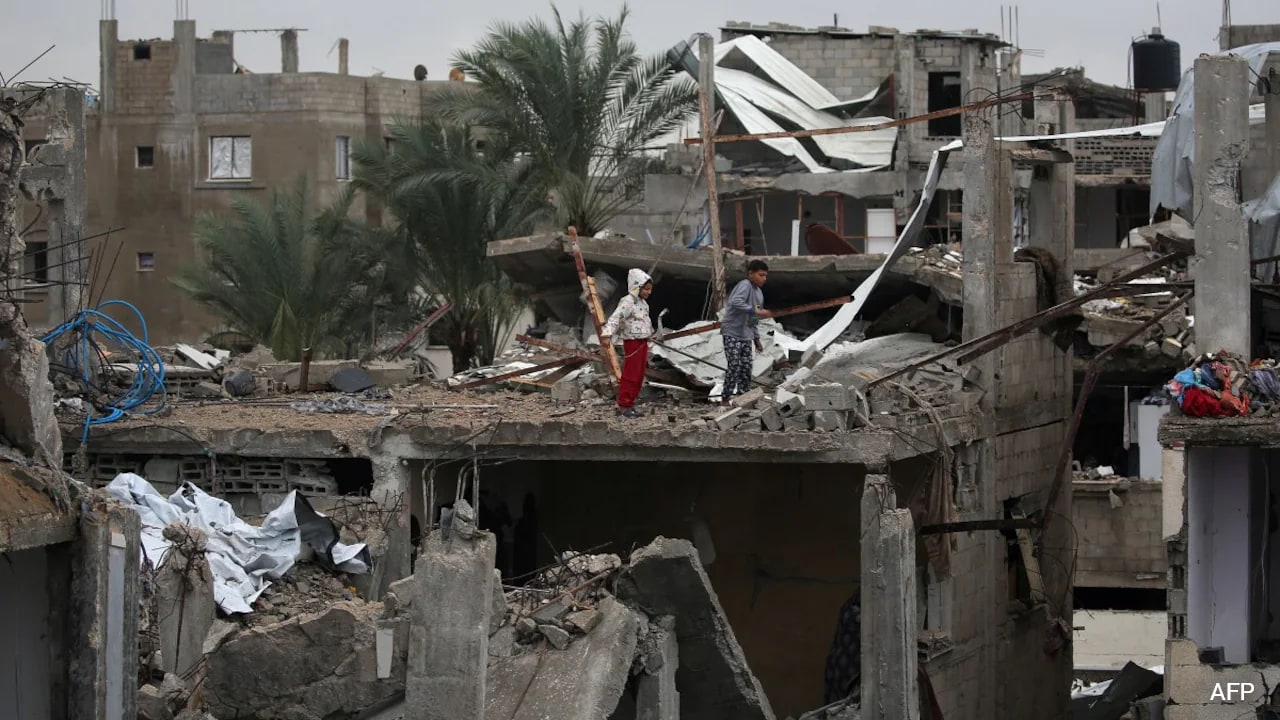
For families living amid rubble and constant displacement, armed raids compound an already crushing burden. People who have lost homes, livelihoods, and relatives are suddenly forced to weigh where to sleep, how to protect children, and whether speaking out invites retaliation.
Fear alters everyday decisions. A father may avoid a clinic or a market if armed men are operating nearby. A family may abandon a fragile shelter after a night of threats, starting the exhausting search for safety all over again.
| Dimension of Pressure | How It Affects Families | Longer-Term Consequence |
|---|---|---|
| Home and shelter raids | Disrupts rest, creates acute trauma, forces sudden relocation | Erodes any remaining sense of sanctuary or community stability |
| Threats and intimidation | Silences witnesses and community elders | Deepens mutual suspicion and social isolation |
| Contested movement and aid | Raises the cost and danger of getting food or care | Worsens malnutrition, illness, and economic destitution |
| Unclear chain of command | Leaves victims with no avenue for protection or justice | Normalizes impunity among armed actors |
Clan Ties, Rumors, and Survival Politics
In tight-knit societies under extreme stress, rumors travel faster than verified facts. Misinformation about who works with whom can put innocent people in danger or drive wedges between neighbors who used to rely on one another.
Some local figures or clans may strike pragmatic deals just to keep their relatives safe or hold onto a sliver of influence. Outsiders often misread those survival moves as ideological loyalty, overlooking how narrow the room for maneuver really is when guns are everywhere.
What Serious Accountability Requires Now
Good reporting on Israel-backed militias in Gaza demands precision over noise. Labels alone do not tell the full story unless journalists and investigators verify who is armed, who funds or supplies them, what commands they follow, and what happens to civilians in their path.
Pressuring sponsors to halt support for abusive armed groups matters, especially where credible evidence points to attacks on civilians or interference with aid. Yet external pressure only goes so far without independent documentation, safe access for investigators, and real protection for witnesses.
Durable calm in Gaza will also require rebuilding legitimate civil order, policing, and transparent aid delivery that answers to human need rather than factional muscle. Until civilians have reliable protection from every gun in the neighborhood, survival itself remains a daily negotiation.