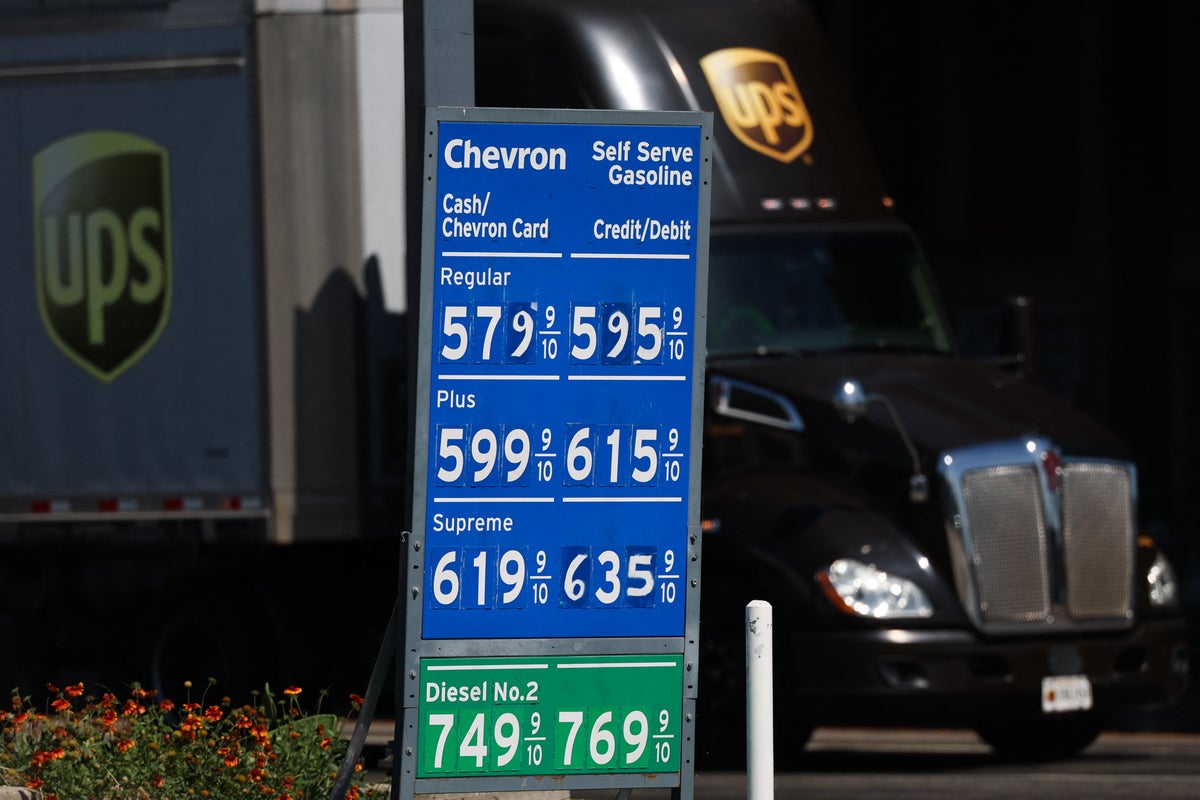
Americans pulling up to local service stations are confronting an unprecedented economic reality as national regular gasoline averages hold firm above four dollars a gallon, easily obliterating the previous holiday benchmark set back in 2012. This extraordinary spike at the pump is not a random market fluctuation or a seasonal anomaly. It is the direct financial fallout of a prolonged military conflict with Iran that has functionally choked the Strait of Hormuz, stranding tanker traffic and sending global crude oil surging past ninety dollars a barrel. For millions of motorists trying to squeeze out one final summer road trip, the numbers flashing on digital fuel signs represent a painful collision between foreign policy and household survival.
The conventional narrative pushed by surface-level reporting points solely to Middle Eastern geopolitical friction, yet the mechanics driving these prices upward involve a complex web of domestic refinery strain and international supply compression. Understanding why filling a standard tank feels like an exercise in fiscal punishment requires looking past the political noise and examining the physical constraints of the global energy grid.
The Bottleneck at the Strait of Hormuz
To comprehend why domestic fuel costs have climbed so aggressively, one must look at the geography of international oil transit. A massive percentage of the world's petroleum supply must navigate the narrow waters of the Strait of Hormuz every single day. Since military engagements involving the United States and Iran escalated sharply in February, that critical maritime artery has effectively transformed into a zone of hostile disruption.
Tanker traffic has plummeted as shipping firms refuse to risk multi-million-dollar vessels and crew safety amid naval skirmishes and maritime blockades. When crude cannot move freely out of the Persian Gulf, global inventories tighten instantly. Refineries across the globe, already operating on razor-thin margins of operational safety, found themselves scrambling for alternative feedstocks.
Consider a hypothetical mid-sized petroleum distributor in the American Midwest to understand the transmission mechanism. When global Brent crude jumps from seventy dollars a barrel to over ninety-five dollars, the cost of raw inputs for gasoline and diesel escalates within hours. Refineries pass those expenses downstream. By the time the refined product reaches a corner service station, the cumulative markup creates a severe shock for consumers who budgeted for much cheaper fuel.
Domestic Refineries Pushed to the Brink
Blaming foreign adversaries tells only half the story. The domestic refining sector is operating under conditions that leave zero room for error. Across the United States, domestic refinery utilization rates have hovered near an intense ninety-eight percent capacity. Facilities are running flat out, pushed to their absolute mechanical limits during a punishingly hot summer that places enormous thermal stress on industrial processing units.
This hyper-utilization creates a precarious balancing act. When refineries run at ninety-eight percent capacity, routine maintenance is deferred, and unexpected mechanical failures carry catastrophic consequences. A single unexpected shutdown at a major gulf coast facility can wipe out regional supplies overnight, sending shockwaves through futures markets.
Furthermore, the squeeze is not restricted to gasoline. Diesel fuel has reached an astonishing national average of five dollars and eighty-five cents a gallon, marking an absolute historic peak that far outpaces passenger car fuel. Because commercial transport, freight delivery, and agricultural machinery run almost exclusively on diesel, this specific pricing spike acts as a hidden tax on every physical good in the economy. Grocery bills, package delivery fees, and manufacturing logistics costs rise synchronously as high diesel prices filter through the supply chain.
Global Multi-Front Pressures
Adding to the domestic refinery strain, international fuel markets are experiencing synchronized supply failures. Ukrainian drone strikes targeting Russian refining infrastructure have clipped diesel output in Eastern Europe, while Chinese refiners report declining overall fuel production outputs.
This means the United States cannot easily import quick relief from international allies to offset domestic shortages. The global energy ecosystem is suffering from cumulative trauma. When multiple key producing regions experience simultaneous disruptions—ranging from Middle Eastern naval blockades to European refinery constraints—the global petroleum pool shrinks.
Market analysts point out that while commodity futures suggest some potential relief heading into the late autumn months as demand softens, those projections remain entirely dependent on stability in the Persian Gulf. If maritime security deteriorates further, or if domestic refineries suffer weather-related outages during hurricane season, the projected price declines will evaporate before they materialize.
The economic burden ultimately lands squarely on households trying to manage inflation, housing costs, and day-to-day living expenses. As political leaders face mounting pressure to deliver relief, the hard truth remains that energy markets respond to physical supply and geopolitical security, both of which remain stubbornly volatile.
This video provides an up-close look at the market dynamics and analysts' breakdowns explaining how the ongoing conflict with Iran directly triggered record-breaking fuel costs over the holiday weekend.