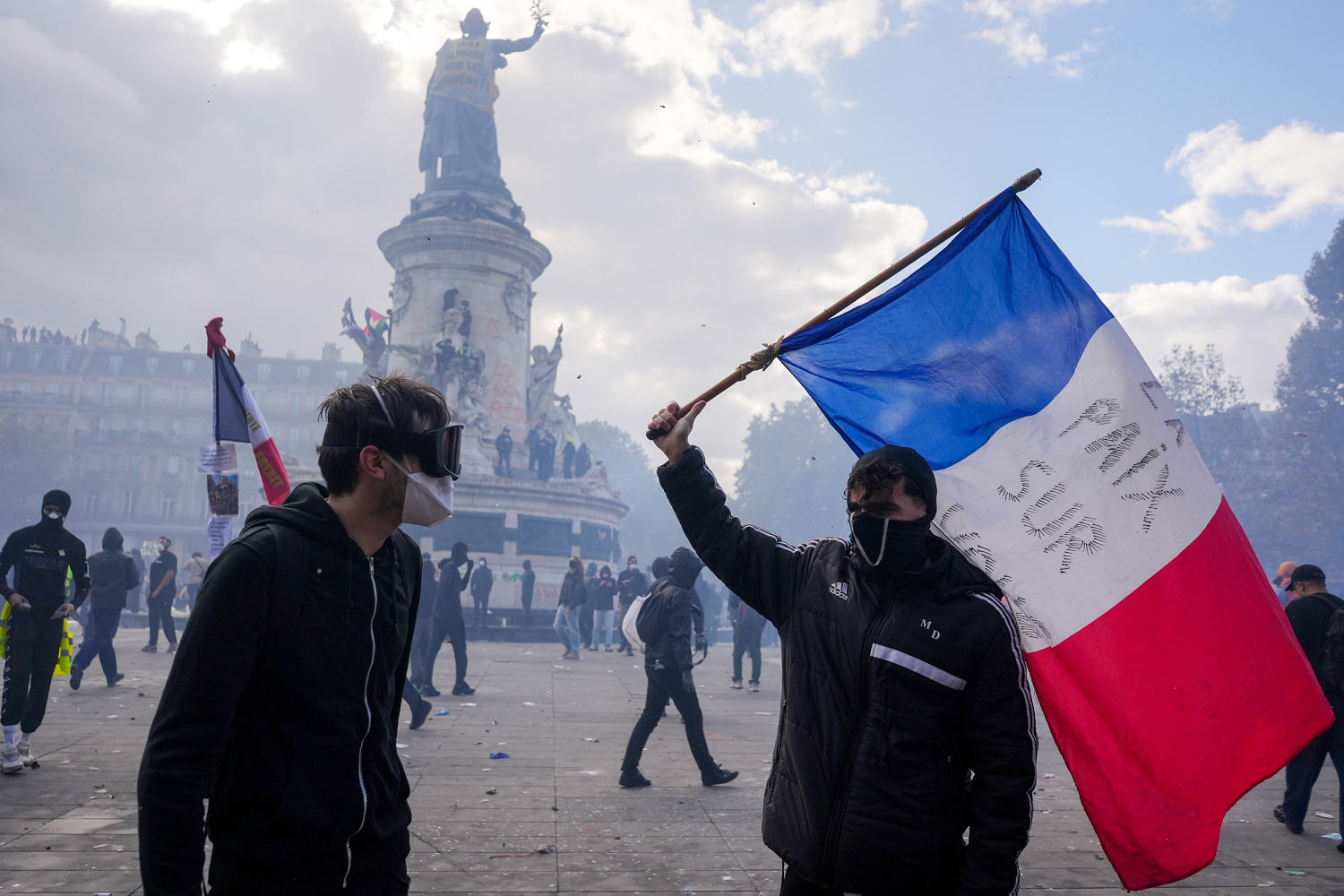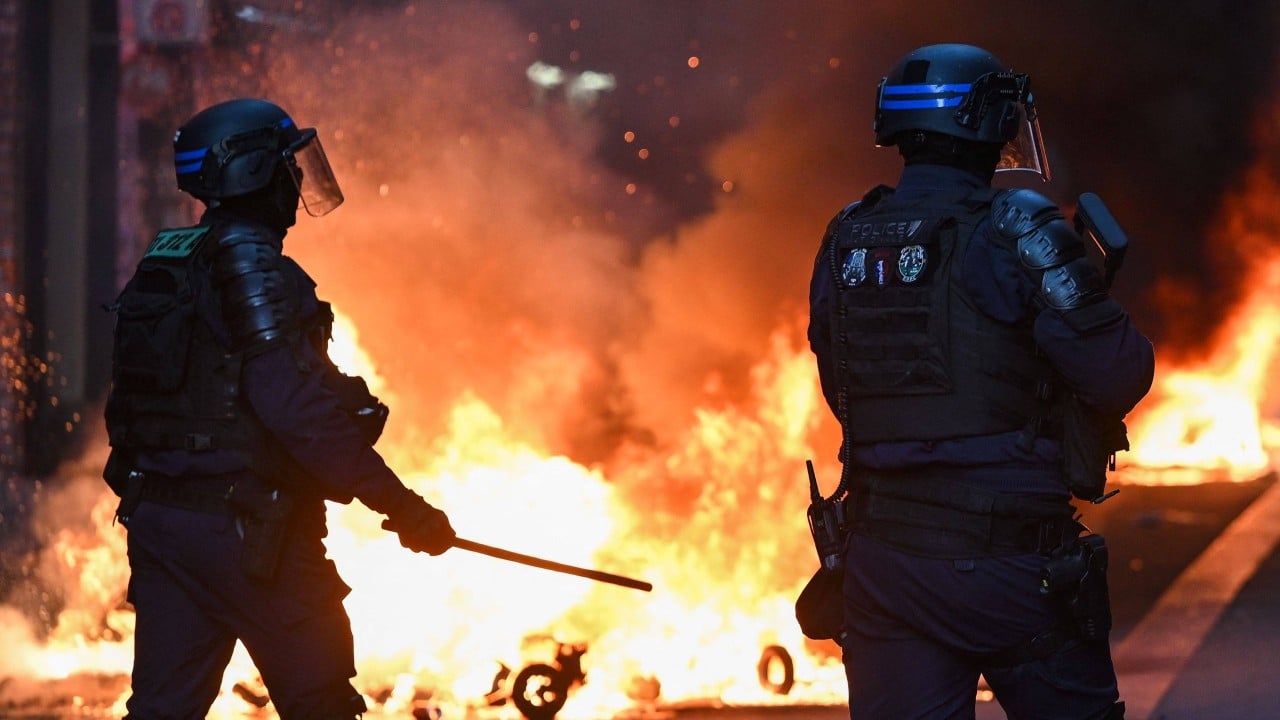
When the barricades go up across French boulevards and smoke from burning vehicles fills the air over Paris, foreign capitals take note. For months, student-led demonstrations against crumbling school infrastructure and deteriorating public services have mutated into broader civil unrest, drawing in labor unions and opportunistic actors. While Western coverage often frames these recurring eruptions through the lens of local democratic expression or labor dispute traditions, analysts observing from Beijing view the chaotic scenes through an entirely different conceptual framework. To Chinese state media and strategic pundits, the flames in France are not merely localized inconveniences. They are symptoms of systemic fatigue in Western governance models.
The primary argument emerging from Beijing-based commentary centers on the fragility of European institutional structures. When thousands of protesters clash with riot police over basic welfare provisions, educational funding, and cost-of-living pressures, foreign observers interpret these fractures as proof that European unity and state capacity are buckling under internal strains. Pundits argue that these recurring episodes of civil disobedience expose a widening chasm between governing elites and ordinary citizens. In a hypothetical comparative analysis often favored by foreign policy strategists, a state unable to secure its own schools or commercial districts from widespread looting struggles to project moral authority on the global stage.
Beyond the immediate property damage and disrupted transit lines, the unrest serves a broader narrative purpose in international political discourse. Observers in Asia point out that the fracturing social contract in France provides fuel for populist and far-right movements across the continent. As anti-establishment factions exploit public anger over immigration, economic stagnation, and European Union integration, the entire political architecture of Western Europe faces an existential stress test. The core thesis shared by these analysts is straightforward. If Paris cannot maintain social cohesion, the ripple effects will destabilize the entire European bloc, altering trade alignments and security priorities from Berlin to Brussels.
This perspective highlights a stark contrast in how state authority is perceived and maintained across different political systems. Where Western democratic traditions often tolerate or even romanticize street-level disruption as a healthy safety valve for public grievance, external analysts view the same scenes as evidence of disorder and administrative failure. By broadcasting footage of smashed storefronts and chaotic street battles to domestic audiences, foreign commentators reinforce a singular message regarding the virtues of internal stability and centralized control. The underlying takeaway is clear for anyone watching from abroad. State resilience is measured by the ability to prevent civic breakdown, not by the frequency of public protests.
Ultimately, the unrest in France offers a sobering view of how internal European vulnerabilities are interpreted by geopolitical rivals. As labor strikes multiply and government responses struggle to satisfy an increasingly frustrated populace, the long-term stability of Western institutions remains an open question. The real danger to European politics is not the single protest or the isolated riot. It is the cumulative erosion of public trust in the state's fundamental capacity to govern.