When public arguments erupt into formal retraction demands and threats of litigation, the real story is rarely just about who emailed whom at three in the morning.
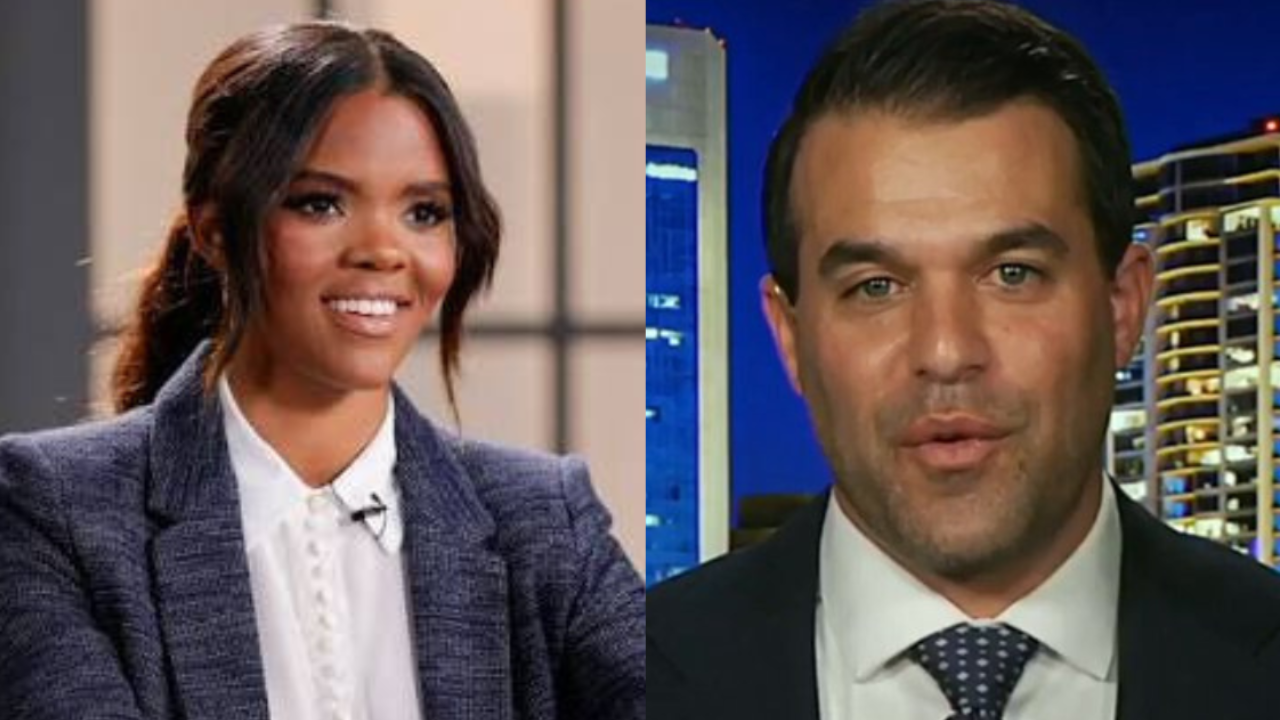
The escalating feud between independent commentator Candace Owens and Turning Point USA spokesman Andrew Kolvet has exposed deep fault lines within conservative media. Following the fatal shooting of Turning Point USA founder Charlie Kirk in Utah, what began as grief quickly morphed into an ideological civil war played out across social media platforms and tabloid columns. At the center of the latest clash is a high-stakes disagreement over media reporting, press requests, and quotes attributed to Kirk's widow, Erika Kirk.
Kolvet openly questioned a Daily Mail report that cited sources close to Erika Kirk, claiming Turning Point USA never received a pre-publication request for comment. Owens fired back by publishing timestamped screenshots proving her own team had been contacted, subsequently calling Kolvet’s bluff by daring the organization to sue for defamation if the quotes were genuinely fabricated.
This isn't merely a dispute over public relations procedures. It is a battle for control over a political movement in transition.
Paper Trails and Public Dares
To understand how a public relations query turned into an existential PR crisis, one must trace the timeline of the statements. Kolvet claimed the Daily Mail piece relied on suspicious reporting practices, alleging that the organization had not been properly reached before publication. He went further, hinting that Owens herself might be acting as an anonymous source feeding fuel to sensationalized coverage.
Owens’ counter-strike was immediate and calculated. By releasing internal email records, she effectively dismantled the claim that the press outreach had not occurred on her end. But she did not stop at procedural proof. She challenged Kolvet on legal grounds, arguing that if a major international publication had manufactured quotes from grieving family friends, Turning Point USA had a legal obligation to demand a full retraction or file a defamation lawsuit.
Her defense mechanism was sharp. Put up or shut up.
If the quotes were false, legal action would be straightforward and catastrophic for the publication. If no legal action followed, Owens implied, then the narrative pushed by the spokesman was simply an attempt to minimize uncomfortable truths.
The Vacuum Left Behind
Power abhors a vacuum. When Charlie Kirk was killed, he left behind one of the most effective youth mobilization structures in modern American politics. Turning Point USA was built around his singular charisma, high-energy campus tours, and relentless media presence.
Without its central anchor, the organization faced an immediate identity crisis. On one side stand institutional loyalists like Kolvet, determined to maintain institutional stability, honor Kirk's legacy, and keep corporate and political donors aligned. On the other side stand independent media figures like Owens, who operated outside traditional institutional boundaries and built massive personal followings by questioning official narratives.
When independent commentators begin picking apart the official timeline of events and raising questions about internal dynamics, institutional leaders face a brutal dilemma. Ignoring the claims risks letting independent commentators dominate the narrative. Attacking them publicly risks driving a permanent wedge through their shared audience base.
The Strategy of Just Asking Questions
The methodology employed in these digital skirmishes relies on a familiar political maneuver. Commentators build multi-part series, scrutinize witness testimonies, and point out minute discrepancies in public records.
When challenged, the defense is simple. They claim they are merely seeking truth on behalf of an inquisitive audience.
This creates an asymmetrical conflict. Official spokespersons must adhere to legal boundaries, ongoing criminal court constraints, and corporate discretion. Independent creators face no such constraints. They can stream daily, analyze every piece of social media traffic, and force institutional representatives to spend their days putting out fires rather than setting the agenda.
The result is an environment where every tweet, podcast snippet, and tabloid quote becomes a potential landmine.
Where Legal Strategy Meets Public Relations
Defamation law in the United States sets a high bar, particularly for public figures and organizations accustomed to intense scrutiny. To win a retraction or damages, one must demonstrate not just factual inaccuracy, but actual malice or reckless disregard for the truth.
Owens understands this legal threshold thoroughly. By demanding that Turning Point USA involve its legal team, she effectively forced Kolvet into a corner. If Turning Point USA takes no legal action against the Daily Mail, it risks appearing as though the reported quotes were accurate all along. If they do take legal action, they open themselves up to costly discovery processes that could unearth internal communications they would prefer to keep private.
It is a classic trap. The spokesman is left defending a position on social media while the independent commentator weaponizes the legal system's standards against them.
The Real Cost of Internal Warfare
While both sides trade blows over email chains and broadcast episodes, the underlying movement faces growing exhaustion. Millions of followers who once viewed both Turning Point USA and independent commentators as allies in the same broader culture battle now find themselves forced to take sides.
The ongoing court proceedings against the accused gunman, Tyler Robinson, continue in Utah. Yet much of the public attention remains fixated on the infighting between conservative figures.
When institutional spokespersons and independent commentators treat each other as primary adversaries, the broad coalition that held the movement together disintegrates from within. The dispute over retractions and media requests is not an isolated squabble. It is the visible symptom of an industry struggling to recalibrate after losing its most prominent voice, leaving behind a audience caught in the crossfire of competing ambitions and irreconcilable narratives.
For a deeper look into the official response from Turning Point USA, watch Andrew Kolvet discuss the situation on NewsNation. This interview provides direct insight into how the organization's leadership attempted to address the growing public dispute and manage the fallout.