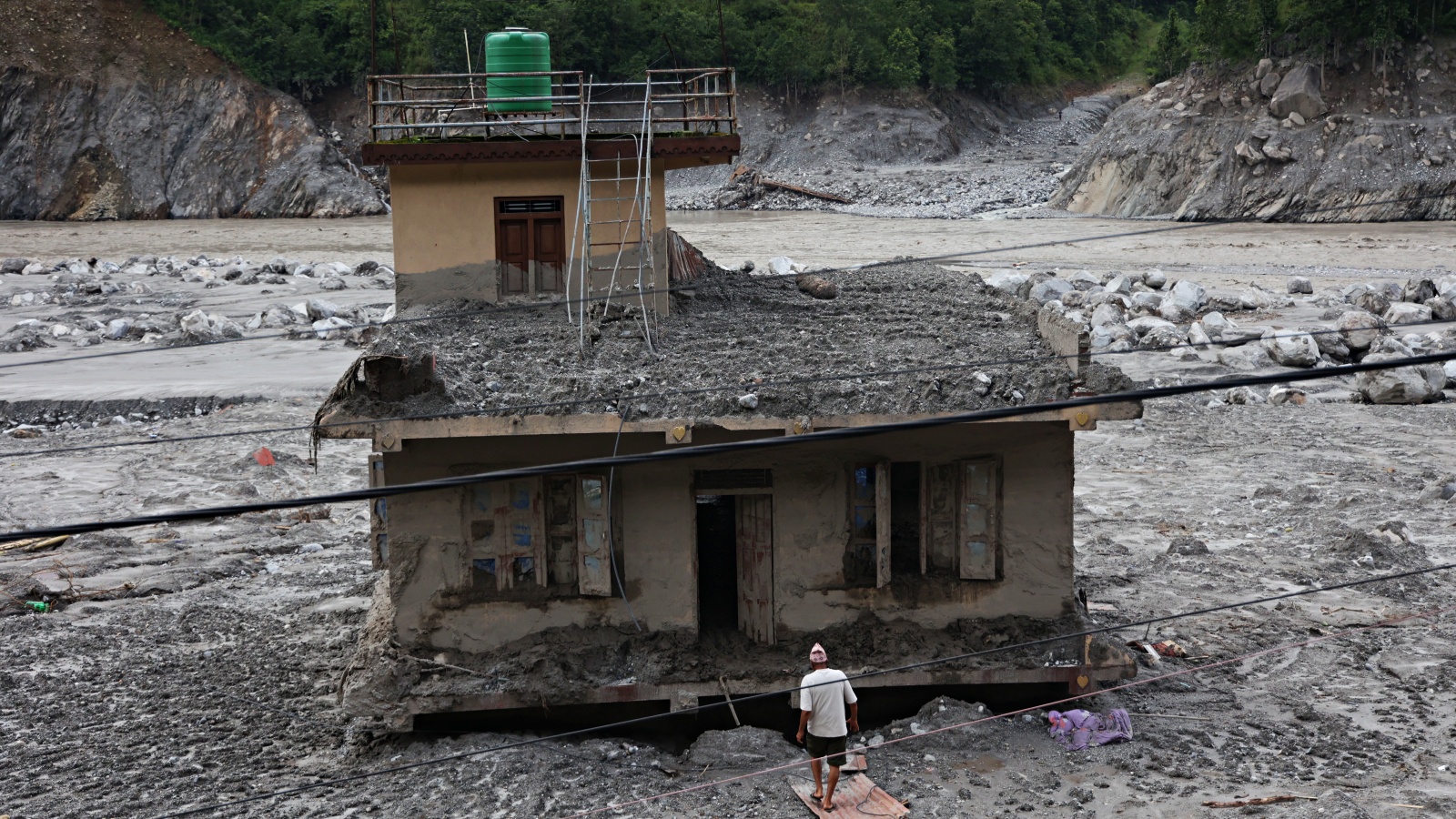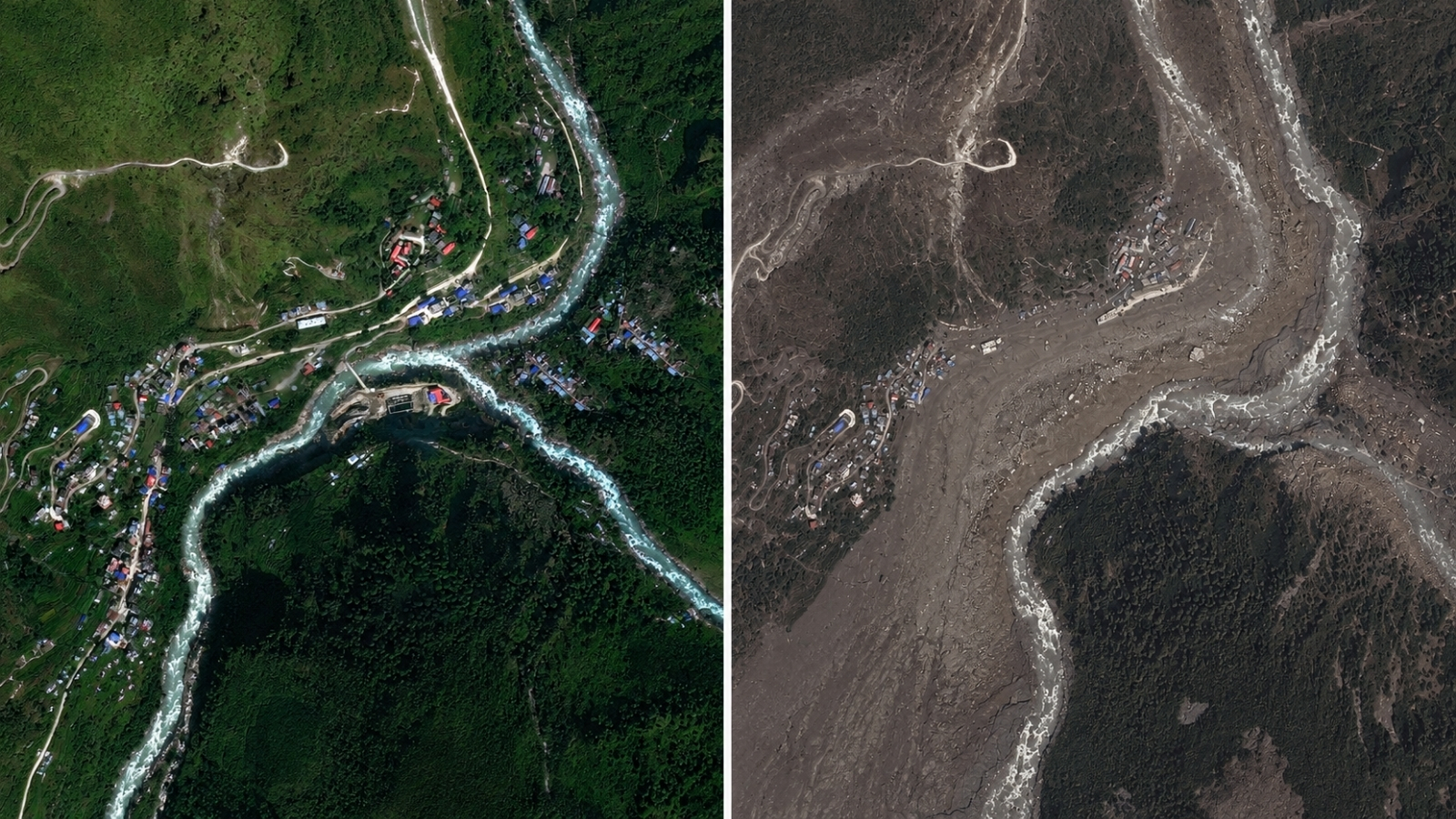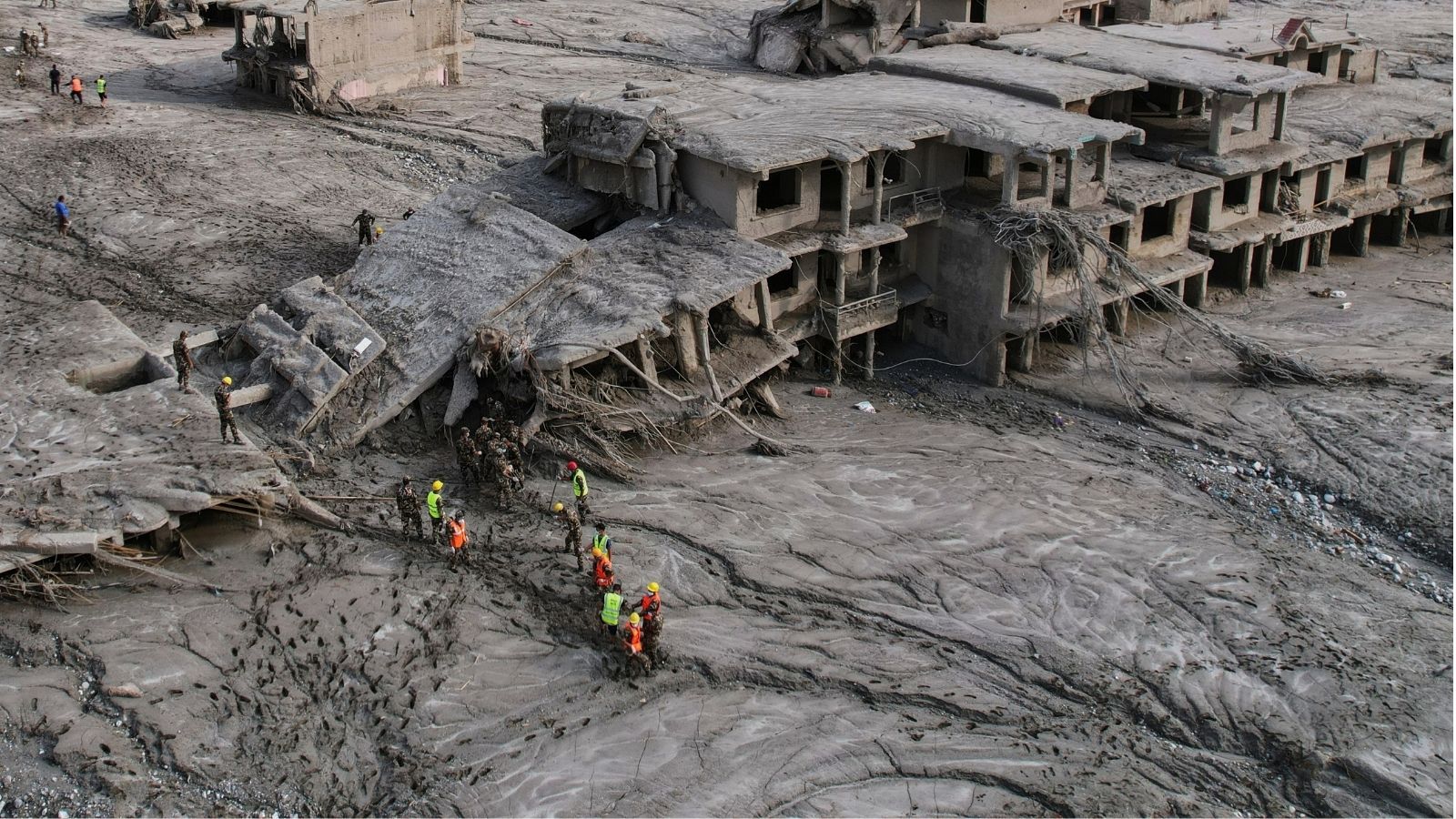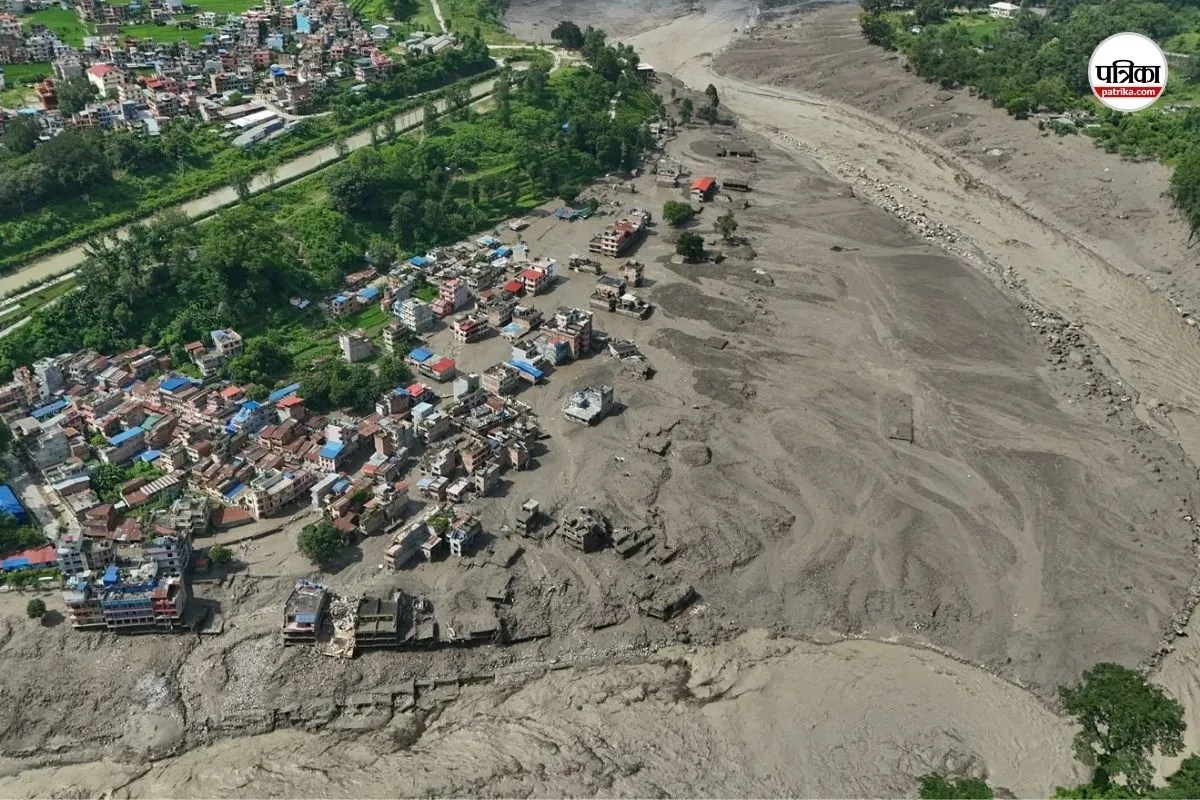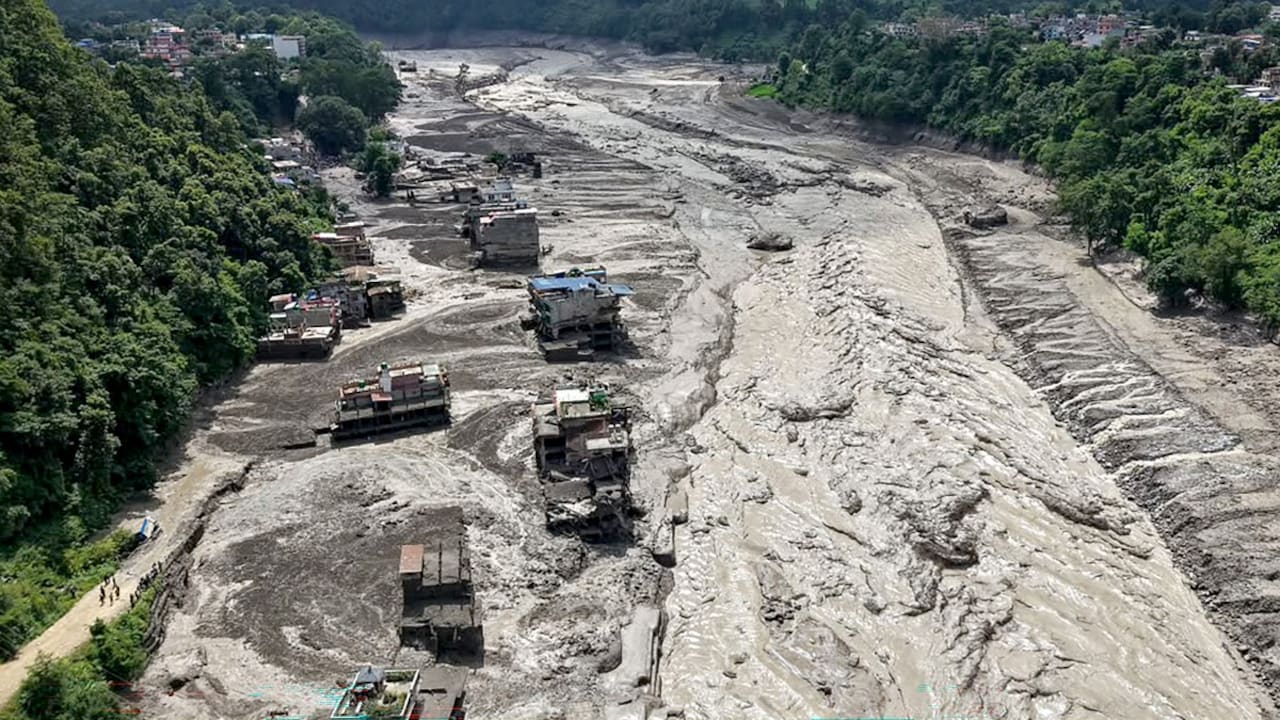
Nepal faces a staggering recovery bill of $4 billion to $5 billion following a catastrophic glacial collapse and subsequent flash floods along its northern border. Finance Minister Swarnim Wagle confirmed that this initial reconstruction estimate equals roughly one-tenth of the nation’s entire economy. With a death toll surpassing 600 and thousands remaining unaccounted for, the disaster has laid bare the extreme financial and structural vulnerabilities of the Himalayan state.
The torrent of rock, mud, and ice wiped out entire border communities, severed vital transport links, and crippled hydroelectric plants representing over 12 percent of the country's total power generation capacity.
Emergency response teams are still fighting blocked roads and unstable terrain to reach isolated survivors. Yet, the immediate rescue window is fast giving way to a much grimmer reality. Financing a multi-billion-dollar infrastructure overhaul requires navigating a complex maze of macroeconomic pressures, geographic isolation, and international geopolitics.
The Anatomy of a Himalayan Catastrophe
Water in the high Himalayas does not flow; it attacks. When an ice-rock avalanche triggered a catastrophic dam burst across the border in Tibet, a wall of slurry raced down narrow gorges into Nepal's Rasuwa district and surrounding areas.
Bridges crumpled like paper. Hydropower installations, the crown jewels of Nepal's domestic energy ambitions, were drowned in silt and boulders.
The physical mechanics of rebuilding in this terrain defy standard civil engineering logic. Transporting heavy machinery, cement, and steel beams into steep, vertical valleys without functioning roads is an exercise in logistical agony.
While the initial price tag is lower than the $9 billion cost of the devastating 2015 earthquake, the localized concentration of destruction means individual communities have been erased down to the bedrock. Entire local economies centered on border trade and seasonal tourism have evaporated overnight.
Hydropower Vulnerability and the Energy Deficit
Nepal runs on water. More than 90 percent of the country's electricity generation relies on run-of-the-river hydroelectric projects.
When flash floods take out multiple stations simultaneously, the damage extends far beyond cracked concrete.
- Power generation drops instantly, forcing the country into emergency energy imports.
- Grid instability threatens industrial corridors and urban centers alike.
- Long-term investor confidence takes a direct hit, driving up financing costs for future energy projects.
Rebuilding these plants cannot mean simply putting them back where they stood. Climate scientists have warned for years that retreating glaciers are forming unstable moraine-dammed lakes susceptible to sudden outbursts.
Restoring the energy sector demands structural relocation and expensive engineering protections against future glacial lake outburst floods. Spending millions to rebuild vulnerable infrastructure in the exact same hazard zone is an economic trap.
The Geopolitical Balancing Act of Recovery
Securing $5 billion is only half the battle. How that money is sourced, managed, and deployed will test Kathmandu's diplomatic agility.
Nepal has deliberately chosen to prioritize the deployment of its own security forces for initial rescue and recovery work, citing their familiarity with the punishing local terrain. This strategy reflects painful lessons learned during past crises regarding foreign relief friction.
However, domestic revenue mobilization alone cannot cover a tenth of the national GDP. The government is leaning on multilateral lenders like the World Bank alongside bilateral partners including India and China for emergency credit lines and material aid like temporary bailey bridges.
Managing these external dependencies while maintaining domestic political stability is a high-stakes balancing act. Public scrutiny over disaster preparedness and ministerial responses has already intensified on social media, leaving authorities with vanishingly little room for bureaucratic delay or misallocated funds.
The path from triage to reconstruction will stretch across many years. Every monsoon season from this point forward will serve as a terrifying stress test for whatever temporary fixes are put in place over the coming months.
Concrete commitments must replace political rhetoric if the country is to avoid sinking deeper into debt while trying to stitch its fractured geography back together.