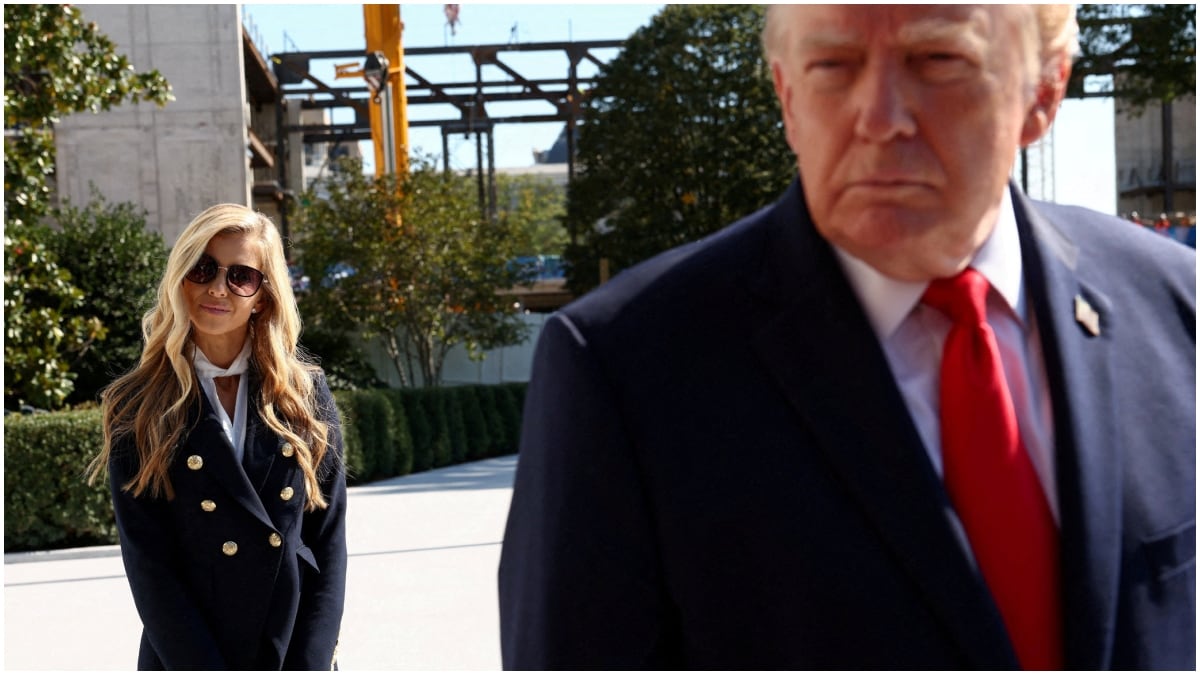
Katie Zacharia lasted five days as White House press secretary, making her tenure the shortest in the history of the office before she was removed on October 16, 2026. Appointed on October 12 after a two-month vacancy following Karoline Leavitt's departure in August, Zacharia stepped into the James S. Brady Press Briefing Room promising loyalty and gratitude. She walked out four days later after a single, roughly 15-minute briefing triggered bipartisan criticism, a State Bar complaint, and blistering internal assessments that sealed her fate.
When an administration installs a communications advisor from Trump Media and Technology Group in the press room's top seat, expectations rarely center on institutional polish. Still, the speed of Zacharia's implosion stunned seasoned Washington observers who have watched plenty of chaotic press shops over the decades. Most appointees get at least a few news cycles to find their footing, learn the rhythms of the briefing room, and build muscle memory under cross-examination. Zacharia barely had time to learn where the coffee machine was kept before her political runway vanished.
How a 15-Minute Briefing Triggered an Instant Crisis
A press secretary's job is not to win arguments with reporters on cable television. It is to absorb incoming fire, protect the president's message discipline, and give the West Wing room to maneuver on policy and politics.
Zacharia's lone formal briefing on October 13 lasted about 14 to 15 minutes and left critics across the political spectrum unimpressed. Rather than projecting command over the daily policy agenda or steadying a White House heading into the final stretch of the 2026 midterms, the appearance quickly became a liability. Reporters pressed hard, outside commentators piled on, and inside the building, officials began questioning how long she could survive.
In modern White House communications, a shaky debut rarely stays contained inside the briefing room. Within hours, clips circulate across cable shows, social feeds, and late-night monologues, turning a tactical stumble into a credibility problem for the whole building.
Zacharia had opened her brief turn by thanking President Donald Trump for his trust and saying she had wanted to work for him for a very long time. That kind of earnestness plays well on a friendly podcast or a campaign stage. At the White House podium, however, loyalty alone does not substitute for command of policy details, rapid-fire institutional memory, or thick skin when the room turns hostile.
Loyalty Versus Institutional Readiness in the West Wing
Every White House eventually confronts a classic tension between ideological alignment and operational readiness. Loyalty gets you through the door in high-stakes political environments, especially when a leader prizes personal trust and media instincts. Readiness keeps you upright when the cameras stay on and nobody in the room is grading on a curve.
Consider a hypothetical communications director who spends months praising a principal's instincts on television and social media. That person might know the talking points cold in a controlled setting, yet still freeze when confronted with an unfamiliar regulatory timeline, an interagency dispute, or a sharp follow-up from a beat reporter who has covered the file for a decade. Without deep policy fluency and crisis instincts, every question feels like an ambush.
In Zacharia's case, scrutiny extended beyond the briefing room itself. On October 14, the Campaign for Accountability filed a complaint with the State Bar of California asking whether she had violated state law by presenting herself as a lawyer after earning a law degree in 2011 and not passing the California bar exam that year. When a brand-new press secretary faces an ethics or licensing complaint on day two, the press corps stops asking about policy and starts asking about vetting.
The Anatomy of a Record-Setting Exit
By Friday, October 16, the administration announced that Zacharia would be transitioning into a new role to be announced later, a classic Washington euphemism for a swift dismissal. Her five-day run immediately drew comparisons to Anthony Scaramucci's 11-day stint as White House communications director in 2017, though Zacharia claimed the dubious distinction of the shortest tenure specifically as White House press secretary.
| Factor | What Happened in October 2026 | Why It Mattered |
|---|---|---|
| Tenure Length | Five days (October 12–16, 2026) | Shortest press secretary tenure in U.S. history, following a two-month vacancy. |
| Briefing Room Debut | One briefing lasting roughly 15 minutes on October 13 | Drew bipartisan criticism and rapid backlash rather than calming midterm pressures. |
| External Scrutiny | State Bar of California complaint filed October 14 | Shifted media focus from administration messaging to vetting and credential claims. |
| Aftermath | Removed October 16; later appeared on BBC Newsnight | Highlighted friction between personal loyalty and sustained media survival. |
Reports after her ouster indicated Zacharia was caught off guard by how rough the week had been, telling Trump and others that the backlash exceeded what she expected. That reaction underscores a common blind spot among commentators and media surrogates who step behind the podium. Watching a briefing from the outside looks easy until you are standing in front of dozens of seasoned correspondents while every word is transcribed, clipped, and cross-checked in real time.
What Her Post-Ouster Appearances Reveal
Removal from a high-profile White House post does not always end the story, and Zacharia's subsequent public appearances kept her in the headlines. She pushed back against critics in a New York Post op-ed accusing the press corps of "Trump Derangement Syndrome" while reiterating her loyalty to the president. Weeks later, an appearance on the BBC's Newsnight drew sharp attention as she repeatedly steered questions away from midterm results toward an Alaska Senate ballot dispute.
That pattern points to a broader lesson about media habits versus institutional discipline. In partisan media ecosystems, deflecting a question onto a pet grievance or attacking the interviewer's fairness can rally loyalists. In a formal interview or White House briefing, stonewalling without answering the underlying question usually makes the interviewee look cornered.
Why Vetting Shortcuts Carry Hidden Costs
There is a gray area in any administration's hiring process. Presidents often want people who already speak the movement's language and will not blink on camera, even if their resumes look unconventional compared to career civil servants or traditional spokespeople.
Still, skipping thorough stress-testing carries real risks. A candidate's past statements, advocacy roles, and professional credentials will be combed through the moment their name is announced. When an appointee has to spend their first week defending their background or expressing surprise at the intensity of the job, they cannot advance the administration's agenda.
What This Episode Means for White House Communications
A press secretary's job is to absorb pressure so the president does not have to. When the spokesperson themselves becomes the story within 48 hours of taking the podium, the role stops working as intended.
Zacharia's five-day tenure is a stark reminder that television familiarity and personal devotion are no substitute for preparation, composure, and rigorous vetting under the brightest spotlight in politics. Any West Wing team that treats the briefing room as an afterthought—or assumes sheer enthusiasm can carry an unprepared surrogate through a hostile room—invites a self-inflicted wound before the real policy fight even begins.