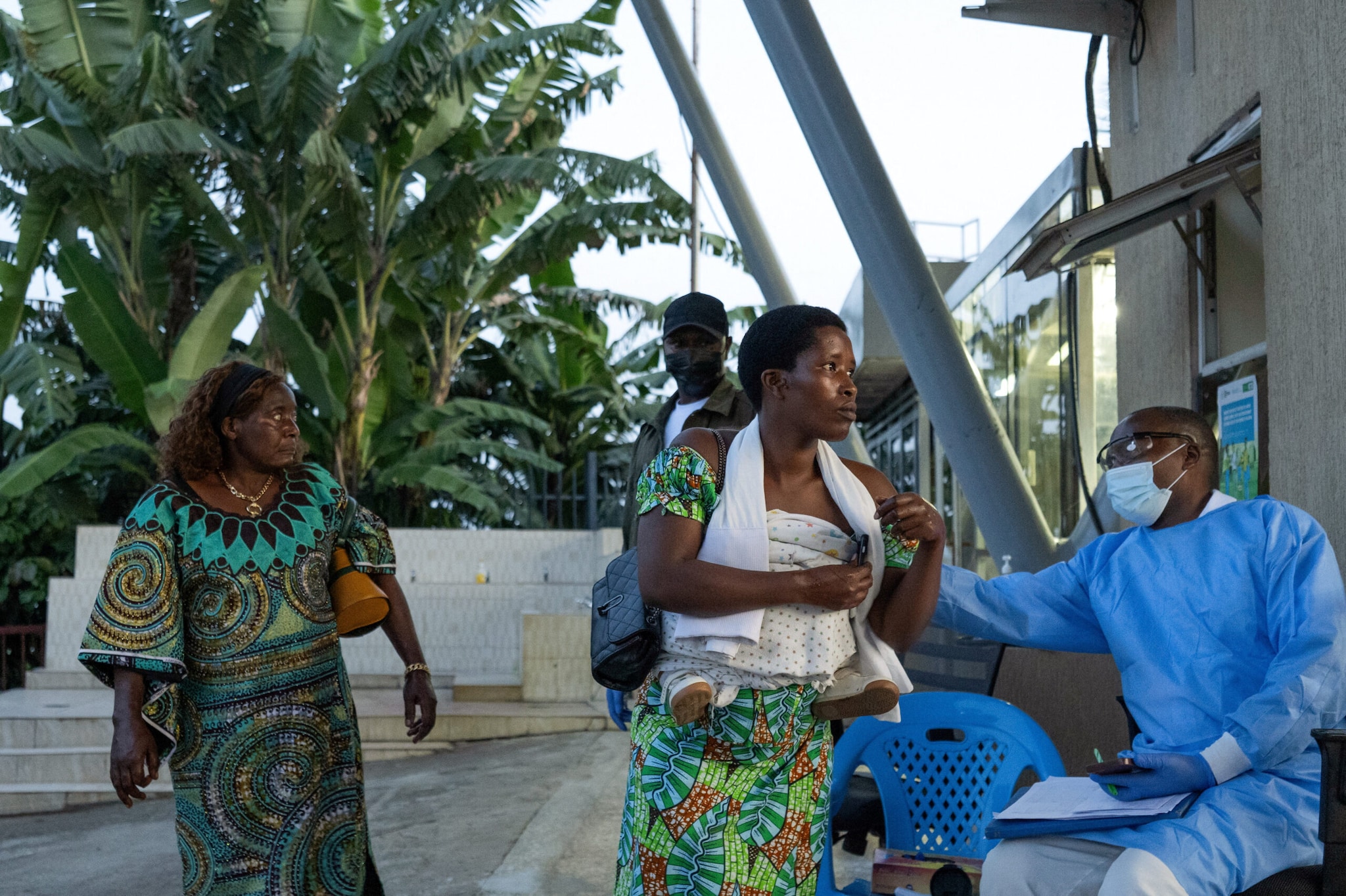
The official numbers coming out of northeastern Democratic Republic of the Congo tell a grim story, but the reality on the ground is far worse. Health agencies recently confirmed a surging outbreak of Bundibugyo virus disease, a rare and highly lethal species of Ebola, across Ituri Province. The official tally stands at nearly 400 suspected cases and more than 100 deaths. The World Health Organization has declared it a Public Health Emergency of International Concern. Yet, anyone who has spent decades tracking hemorrhagic fevers in central Africa knows these figures represent a mere fraction of the actual crisis. The true scale of the outbreak is masked by blind spots in surveillance and complex local dynamics.
The danger extends far beyond undercounting. Unlike the more common Zaire strain that ravaged the region between 2018 and 2020, the Bundibugyo virus has no licensed vaccine. It has no approved therapeutic treatments. The medical arsenal that successfully contained recent epidemics is useless here. Combined with cross-border transmission into Uganda, a newly detected case in Goma, and subsequent border closures with Rwanda, the region faces an uncontained biological threat in a highly volatile environment.
The Blind Spots in the Jungle
The mathematical models used by international agencies rely entirely on data fed into them by local health zones. If you cannot reach the patients, the data ceases to exist. Ituri Province is currently a patchwork of territories controlled by various armed groups, where basic health infrastructure has been systematically dismantled. Since early last year, dozens of attacks have targeted healthcare facilities and workers in the country, rendering traditional contact tracing nearly impossible.
When an individual contracts Ebola in a remote mining community like Mongbwalu, they do not typically wait for a mobile laboratory to arrive. They flee. Mongbwalu is a high-traffic artisanal gold mining hub filled with a transient workforce. Miners who fall ill frequently travel hundreds of kilometers across informal transit routes to seek care from family members or trusted local healers in larger centers like Bunia or Rwampara.
By the time a rapid response team identifies a suspected case, the transmission chain has already split into half a dozen untraceable paths. High-risk contacts regularly vanish into the dense forest or cross international borders before health workers can log their names. Several listed contacts have become symptomatic and died in isolation from the medical system, their bodies buried traditionally without post-mortem sampling. This passive surveillance system only catches the individuals who collapse on the doorstep of a functioning hospital. The true epidemiological curve is hidden in unmarked graves.
The Therapeutic Vacuum
For the past decade, the global health strategy against Ebola has relied heavily on technological interventions. The Ervebo vaccine changed the dynamics of outbreak response by offering high levels of protection against the Zaire variant. Monoclonal antibody treatments like Inmazeb and Ebanga drastically reduced mortality rates when administered early.
None of these advancements work against the Bundibugyo strain.
The structural differences between the viral proteins of the Zaire and Bundibugyo species mean that existing vaccines do not trigger an effective immune response against this variant. Health workers are forced to return to standard supportive care. This involves aggressive hydration, managing secondary infections, and hoping the patient's immune system can withstand the viral onslaught.
The psychological impact of this therapeutic deficit cannot be overstated. When a community sees that medical teams possess no specific cure, willingness to cooperate plummets. Isolation centers are viewed not as places of healing, but as destinations of mortality. This dynamic drives the disease further underground, incentivizing families to hide sick relatives from authorities.
A Geopolitical Choke Point
The declaration of a confirmed case in Goma, the economic capital of North Kivu, has turned a regional health crisis into a geopolitical standoff. Goma is a massive transit hub bordering Rwanda, with a population exceeding two million people. The genomic link directly ties this case back to the Ituri outbreak, proving that the virus can travel long distances undetected along major transport corridors.
The political response was immediate. De facto authorities closed the border between Goma and Rwanda to stymie the spread. While logistically logical on paper, border closures frequently exacerbate the exact problems they are meant to solve.
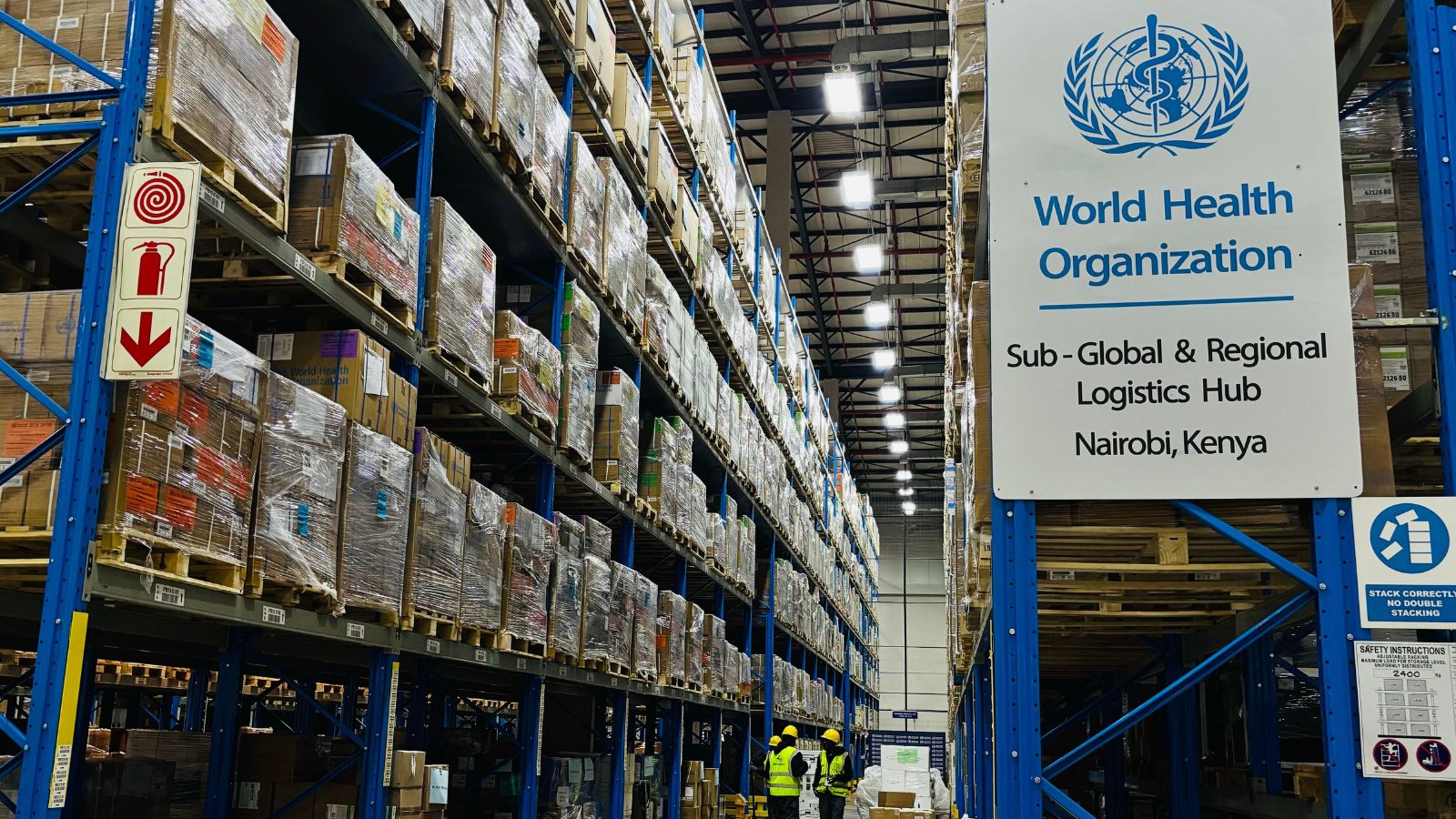
- Humanitarian Access: The closure disrupts the flow of medical supplies and specialized personnel who rely on cross-border logistics hubs to access eastern Congo.
- Economic Strain: Halting formal trade forces the local population to utilize informal, unmonitored border crossings through the bush, bypassing health screening checkpoints entirely.
- Surveillance Degradation: When formal transit routes close, population movement becomes invisible to epidemiologists, rendering regional containment strategies ineffective.
Redefining the Containment Strategy
The conventional playbook for managing Ebola outbreaks is failing because it was designed for a different virus under different socio-political conditions. Relying on the development of a specific Bundibugyo vaccine while the current infection chain expands is an unviable strategy.
Containment now depends entirely on basic public health fundamentals. This means investing heavily in community-led surveillance, equipping local health centers with standard infection prevention gear, and training local staff to recognize the distinct clinical signs of non-Zaire strains. It requires establishing decentralized, community-managed isolation spaces rather than massive, intimidating international field hospitals.
The international community must acknowledge that eastern Congo is not a blank slate where medical interventions can be cleanly deployed. It is an active conflict zone with deep-seated institutional distrust. Until response strategies prioritize local health worker safety and address the economic realities driving population movement, the virus will continue to outrun the response. The crisis in Ituri is not a temporary spike in numbers. It is an unmapped epidemic that is structural, silent, and expanding.