The announcements coming out of corporate boardrooms are often carefully choreographed exercises in reassurance. When a retail conglomerate declares its absolute, unwavering commitment to a core market, analysts usually look past the PR gloss to find the operational anxieties driving the statement. DFI Retail Group’s ongoing pledge to pour capital into its Hong Kong supermarket footprint—anchored by household names like Wellcome and Market Place—arrives at a distinct crossroads for local commerce. Beneath the corporate talking points lies a grinding war of attrition defined by shrinking basket sizes, cross-border consumption shifts, and the relentless creep of digital-first grocery models.
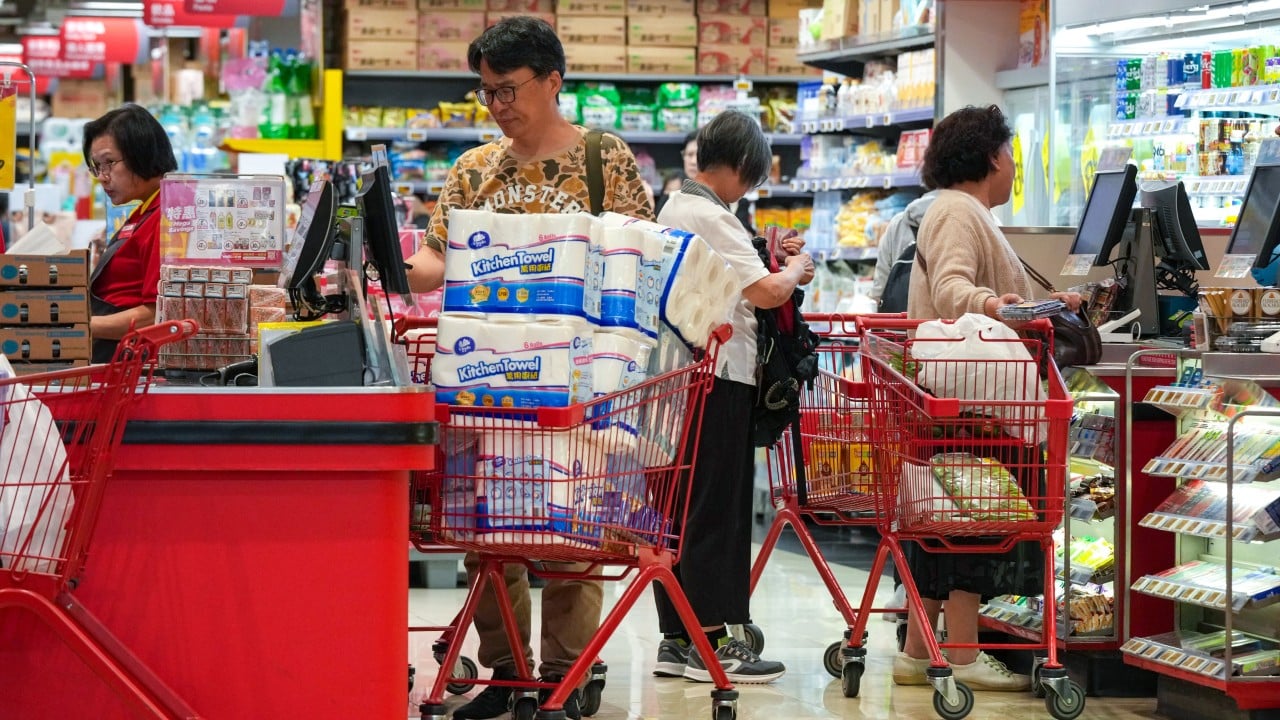
For decades, modern trade in the territory operated on a predictable gravity. Consumers shopped close to home, accepted dense urban pricing, and relied on legacy chains for daily provisions. That gravity has snapped. A structural shift in consumer behavior has taken root as thousands of residents regularly cross the boundary into Shenzhen for weekend provisions, drawn by hyper-competitive pricing, massive big-box formats, and frictionless digital checkout. At the same time, domestic spending faces severe headwinds from a flat property market and cautious consumer sentiment. To state that DFI is continuing its local supermarket investment is to acknowledge a defensive necessity. Standing still in this environment equals managed decline.
The financial architecture behind these investments reveals a broader corporate pivot. Over recent years, the parent organization under the Jardine Matheson umbrella has aggressively trimmed non-performing regional weight, shedding overseas assets like its stake in mainland China's Yonghui Superstores and Indonesia's Hero Supermarket to shore up liquidity and focus capital allocation. With a strengthened balance sheet, capital can now be funneled back into defending the domestic core. Yet throwing cash at traditional brick-and-mortar storefronts is no longer a viable strategy on its own. The operational playbook requires a fundamental rewrite of how physical space generates yield in a high-rent metropolis.
Margins in urban grocery are notoriously thin, and Hong Kong commercial real estate is among the most punishing on earth. Every square foot of shelf space must justify its existence through inventory velocity or high-margin adjacencies. DFI's strategy relies heavily on extracting deeper utility from its proprietary data ecosystem, specifically the yuu rewards platform. By tracking consumer purchase paths across both convenience formats like 7-Eleven and mass-market supermarkets, the group attempts to build predictive pricing models. When shoppers grow price-sensitive, blanket discounts erode the bottom line too quickly. Precision promotions, targeted supplier collaborations, and tiered private-label offerings become the primary mechanisms to protect profitability without triggering a race to the bottom.
Competitively, the supermarket theater is changing shape. The duopoly long maintained between DFI's Wellcome and CK Hutchison's ParknShop is no longer the only axis of pressure. Digital upstarts and cross-border e-commerce networks have bypassed traditional physical infrastructure entirely, conditioning urban households to expect rapid delivery and aggressive discounting. In response, legacy operators are forced to experiment with hybrid models, digital partnerships, and tighter supply chain integration. For instance, DFI's strategic alignment with mainland e-commerce players like Dingdong Maicai highlights an acute awareness that the future of local grocery delivery requires technological infrastructure far beyond standard web-store interfaces.
There is also the persistent challenge of store format optimization. Massive hypermarkets are increasingly liabilities in densely populated districts where real estate costs outpace sales per square foot. The rationalization of space means trimming bloated footprints while upgrading neighborhood branches to function simultaneously as local shopping hubs and micro-fulfillment nodes for online orders. It is a delicate balancing act. Over-invest in physical ambiance and operational overhead crushes margins; under-invest and the stores quickly look tired next to nimble, contemporary rivals.
Navigating this transition demands more than capital injections; it requires an operational ruthlessness that many legacy retailers struggle to execute. Suppliers are being squeezed into tighter collaborative frameworks to share the burden of price deflation, while internal logistics undergo continuous digital auditing to strip out waste. Whether these measures will fully insulate the group from structural macroeconomic shifts remains an open question. The retail landscape of the territory has permanent scars from changing travel habits and economic recalibration, and no amount of corporate optimism can completely rewrite consumer demographics.
The commitment to local supermarkets is therefore less of a bullish expansion and more of an entrenchment strategy. It is about holding the line in a mature market where growth is no longer about capturing new square mileage, but about ruthless efficiency, data monetization, and defending market share man by man, basket by basket. As the dust settles on post-pandemic retail realities, the ultimate verdict on these investments will not be measured by the volume of capital spent, but by the resilience of the margins left behind.