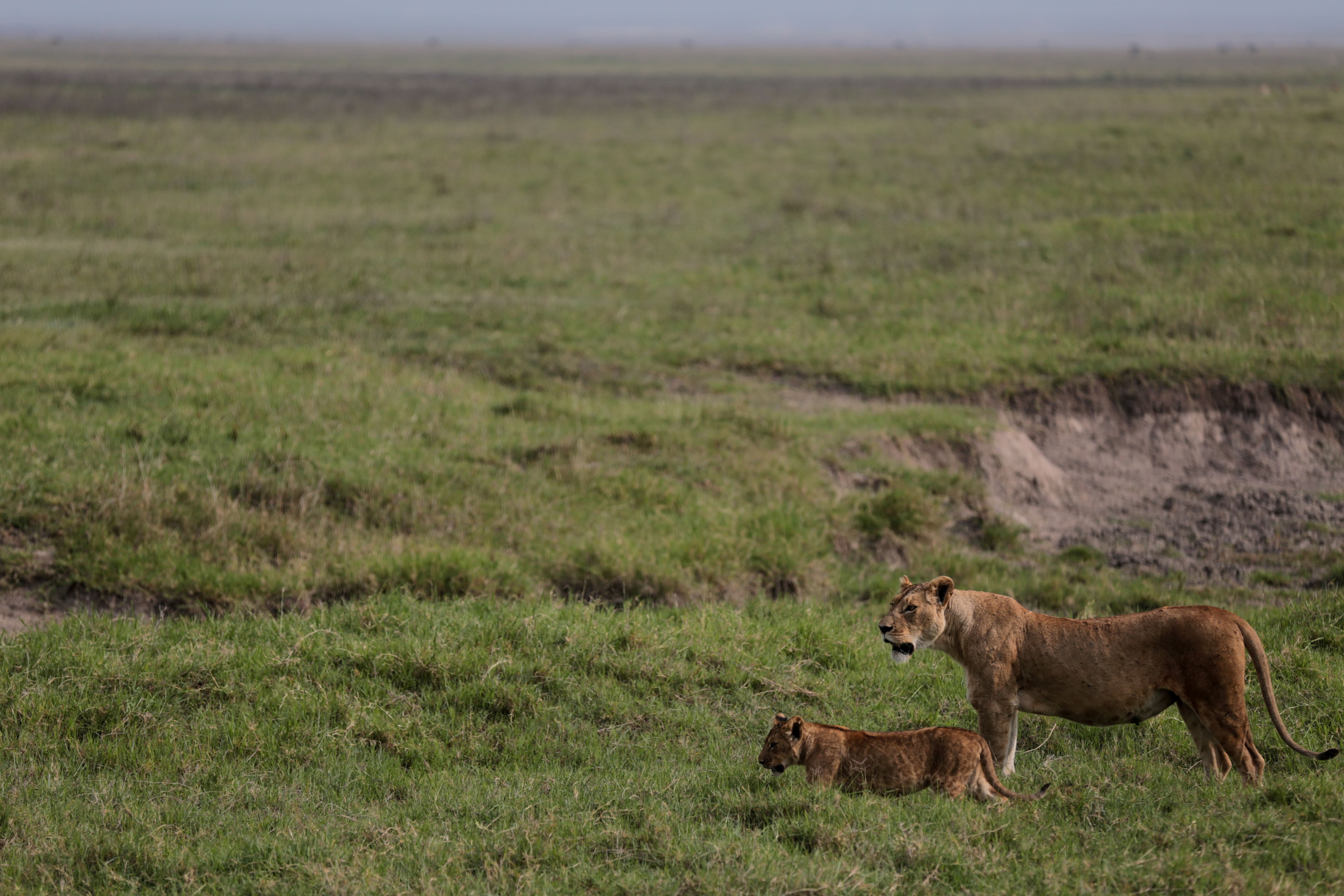
Ten magnificent lions dead in a single conservation area. The immediate trigger points to malicious poisoning, a silent and brutal weapon deployed against apex predators across East Africa. Yet focusing solely on the grim tally misses the structural fracture tearing through modern wildlife management.
Conservation enforcement in Tanzania operates under severe pressure. Protected zones span thousands of square kilometers of rugged terrain, while ranger patrols remain perpetually underfunded. When agricultural expansion encroaches on migratory corridors, human-wildlife conflict escalates instantly. Herders protecting livestock view predators as an existential threat to their livelihoods. In retaliation, some resort to agricultural pesticides like carbofuran laced into carcasses, turning an easy meal into a devastating bait trap. Read more on a similar subject: this related article.
This retaliatory killing exposes the fragile boundary between rural communities and protected ecosystems. Traditional deterrents cost money and require labor, whereas cheap agricultural chemicals offer an immediate, lethal solution. When a pride feeds on a single laced carcass, the poison cascades upward through the food chain, wiping out not just the target predators, but vultures, jackals, and hyenas as well.
Resolving this crisis demands more than increased ranger numbers or reactive investigations. True mitigation requires shifting the economic reality for pastoralists sharing space with dangerous wildlife. Insurance schemes that compensate for livestock loss change the calculus of survival. When a farmer loses a cow to a pride, immediate financial recovery prevents the impulse to scatter poison across the plains. Further journalism by The New York Times delves into comparable views on the subject.
Furthermore, intelligence networks inside local villages must be cultivated. Poachers and pesticide smugglers rarely operate in total isolation; communities often know who acquires restricted chemicals. Building trust between reserve authorities and rural residents creates an early warning system far more effective than perimeter fences.
The mortality of these ten lions serves as an urgent diagnostic indicator. Ecosystems cannot sustain repeated mass poisoning events without suffering long-term genetic bottlenecks and prey-base disruption. Protecting these landscapes means confronting the human cost of conservation head-on, ensuring that living alongside Africa's most iconic wildlife becomes an asset rather than a death sentence.