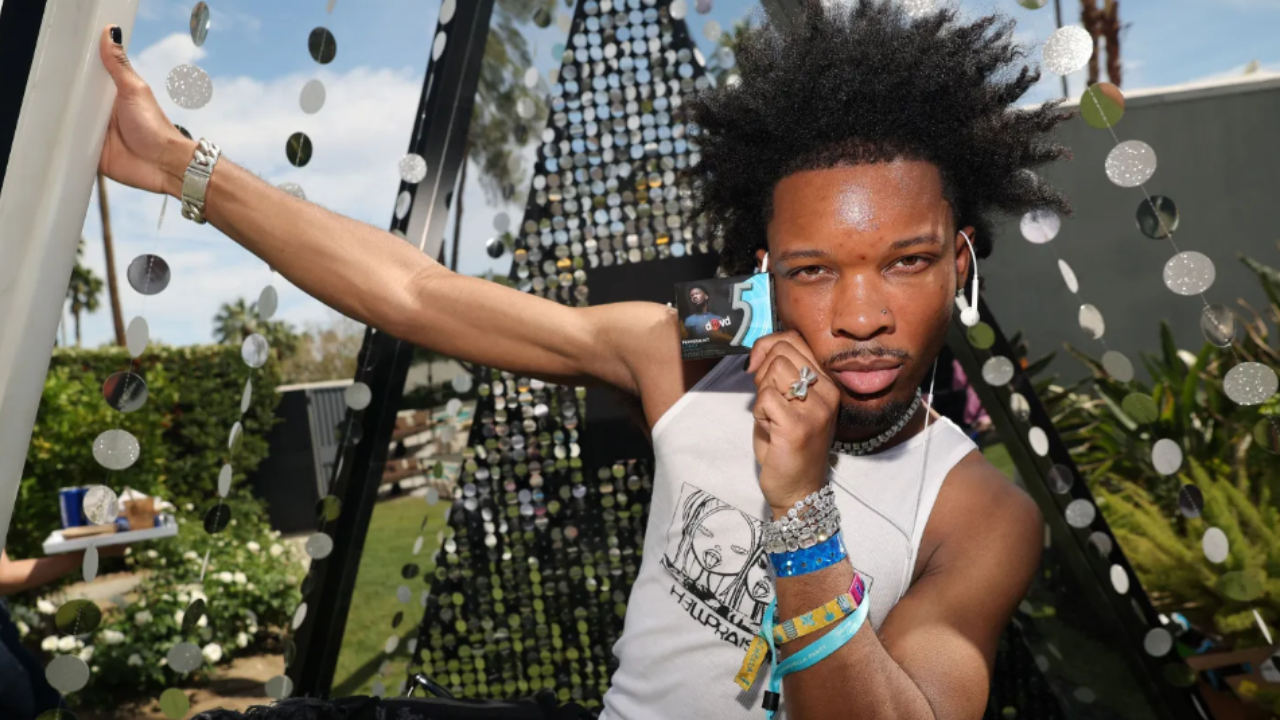
The preliminary hearing for musician David Burke—globally known as the alternative-pop streaming sensation D4vd—has laid bare a staggering digital paper trail in the alleged murder of 14-year-old Celeste Rivas Hernandez. Prosecutors in Los Angeles County presented a grueling five-day catalog of text messages, vehicle logs, and forensic data during the proceedings before Superior Court Judge Charlaine Olmedo ruled that the 21-year-old artist must stand trial. The central narrative emerging from the courtroom does not merely center on a sudden act of violence; it exposes a multi-year entanglement between an adult celebrity and an underage teenager that allegedly ended inside a Hollywood Hills home on April 23, 2025.
When the legal battle shifted to the finer details of the digital evidence, investigators walked the court through a volatile exchange of messages from the final twenty-four hours of Rivas's life. The defense team, led by high-profile attorney Blair Berk, pointed heavily to threats of violence supposedly sent by the teenager during a jealous dispute. Yet beneath the arguments over who initiated the conflict lies a much larger, systemic failure of accountability within modern entertainment ecosystems, where rapid digital fame shields rising stars from scrutiny until a catastrophic human cost makes looking away impossible. Discover more on a similar subject: this related article.
The Anatomy of a Digital Paper Trail
Courts rely on metadata because human memories fracture under stress, but digital ledgers remain cold and unyielding. Testimony from Los Angeles Police Department Detective Corey Farrell revealed how the communication between Burke and Rivas deteriorated rapidly in the days leading up to her death. Investigators extracted thousands of messages from iPhones and cloud storage accounts, mapping out an argument sparked by Burke's continued friendship with a third party.
According to the state's presentation, Rivas sent heated messages threatening not only physical harm, including strangulation, but also warning that she would expose their illegal relationship and damage his burgeoning career. The defense leaned hard into these warnings, attempting to frame the communication as erratic and aggressive on the victim's part. However, prosecutors quickly pivoted to the tonal shift that occurred the very next morning. Further journalism by Al Jazeera explores related perspectives on this issue.
By April 23, 2025, the digital correspondence softened significantly. Burke arranged an Uber rideshare to transport Rivas from her home in Lake Elsinore straight to his Hollywood Hills residence. At 10:02 p.m., Rivas sent her final outgoing message: "girly pop i'm almost there open ur door if hon." Minutes later, Uber data placed the vehicle at the location. Burke replied that the gate and door were unlocked. After that transmission, Rivas's phone went permanently silent.
[Timeline of Final Messages]
10:02 PM -> Celeste Rivas texts: "girly pop i'm almost there open ur door if hon"
10:10 PM -> David Burke responds: Gate open, door unlocked. Uber arrives.
10:30 PM -> Phone goes silent; state alleges attack occurs within this window.
The defense raised questions about the physical exit from the Uber, emphasizing that no security cameras captured the exact moment she crossed the threshold. But the prosecution countered with forensic findings, matching DNA evidence recovered from trash bags and potential bloodstains inside the residence to the victim. The state's timeline leaves a tight window of roughly twenty-one minutes during which the fatal injuries are alleged to have taken place.
Power Imbalances and the Music Industry Blind Spot
The public fascination with this case often tracks along the celebrity gossip pipeline, viewing the charges as an isolated tragedy involving a single creator. Industry analysts who have watched the rapid monetization of bedroom-pop artists note a darker pattern. When an artist achieves viral velocity on platforms like TikTok and streaming services overnight, their immediate infrastructure expands faster than their psychological or legal maturity.
Burke was 18 when prosecutors allege his relationship with Rivas began; she was only 13. By the time his breakout track "Romantic Homicide" scaled the charts, he was navigating massive financial inflows, international tours, and intense public adoration. The insulation provided by entourages, management teams, and digital anonymity often creates an isolated bubble where boundaries collapse.
In this case, the alleged motive presented by district attorneys—protecting a multi-million-dollar career and a debut album release from public scandal—highlights a desperate transactional calculus. The human life of a 14-year-old girl was allegedly weighed against streaming numbers, brand partnerships, and scheduled tour dates. That calculation represents the absolute failure of safety nets in an industry that prizes viral engagement above basic ethical boundaries.
The Mechanics of the Prosecution's Case
As the case moves toward its formal arraignment scheduled for August 31, 2026, the legal framework is solidifying around specific statutory enhancements. Burke faces first-degree murder charges with special circumstances, including lying in wait, financial gain, and murdering a witness to prevent an investigation, alongside continuous sexual abuse of a child under 14 and unlawful mutilation of human remains.
The inclusion of mutilation charges stems from gruesome discoveries made when Rivas's remains were recovered months later on September 8, 2025, stored inside the front trunk of a Tesla Model X parked at a Hollywood tow yard and registered to the singer. Prosecutors introduced evidence that chainsaws were purchased online and used inside an inflatable pool set up in the home's garage to dispose of the body before Burke left for a tour supporting his album "Withered."
While the defense continues to contest the cause of death and challenge the reliability of the circumstantial chain, the sheer volume of forensic markers—from DNA traces to precise rideshare timestamps—creates a formidable hurdle for any legal team. Judge Olmedo's decision to send the case to trial confirms that the baseline threshold of probable cause has been thoroughly met.
The reality of modern celebrity culture is that fame often acts as a distorting mirror, convincing individuals that their digital influence places them above the physical consequences of their actions. The trial will test whether a jury of ordinary citizens can pierce that illusion and establish accountability where industry protections completely failed.