Every August, foreign journalists and political analysts dust off their binoculars and stare hard at a stretch of coastline east of Beijing. They are looking for the Beidaihe summer retreat, a closed-door gathering where China's political and scientific elite supposedly hash out the nation's future over ocean breezes. Western media loves a good cloak-and-dagger story. They call it China's Camp David or a shadow parliament where retired cadres stage dramatic coups against sitting leadership.
Honestly? Most of that narrative is pure fiction.
If you want to understand what actually happens when top leaders and scientific minds head to this Hebei province resort town, you need to strip away the sensationalism. The reality is far more bureaucratic, tightly controlled, and structurally different than it was decades ago. Let's look at how the Beidaihe meeting actually functions today, why the rumors persist, and what it means for the country's trajectory.
The Myth Versus Reality of the Coastal Conclave
For decades, Beidaihe served as the literal summer capital of Chinese politics. Mao Zedong loved the place, establishing a formal summer office system back in the early nineteen-fifties. Back then, major policy pivots and intense factional squabbles played out on the beach. Retired party elders and active power-brokers shared the same air, lobbied for positions, and openly challenged decisions.
That era is dead.
Under Xi Jinping, power has centralized to a degree that makes old-school factional bargaining nearly impossible. When reports surface that the leadership has vanished from Beijing—signaled reliably by vanishing public schedules and sudden traffic restrictions in Beidaihe—analysts jump to conclusions. They assume a fierce political showdown is underway.
That is not how modern Chinese governance operates. The absolute concentration of authority means the scope for genuine horse-trading has shrunk dramatically. The retreat is no longer a battleground for opposing political factions. Instead, it functions as a controlled environment for rest, informal consultations, and curated expert integration.
Why Scientists and Intellectuals Matter Here
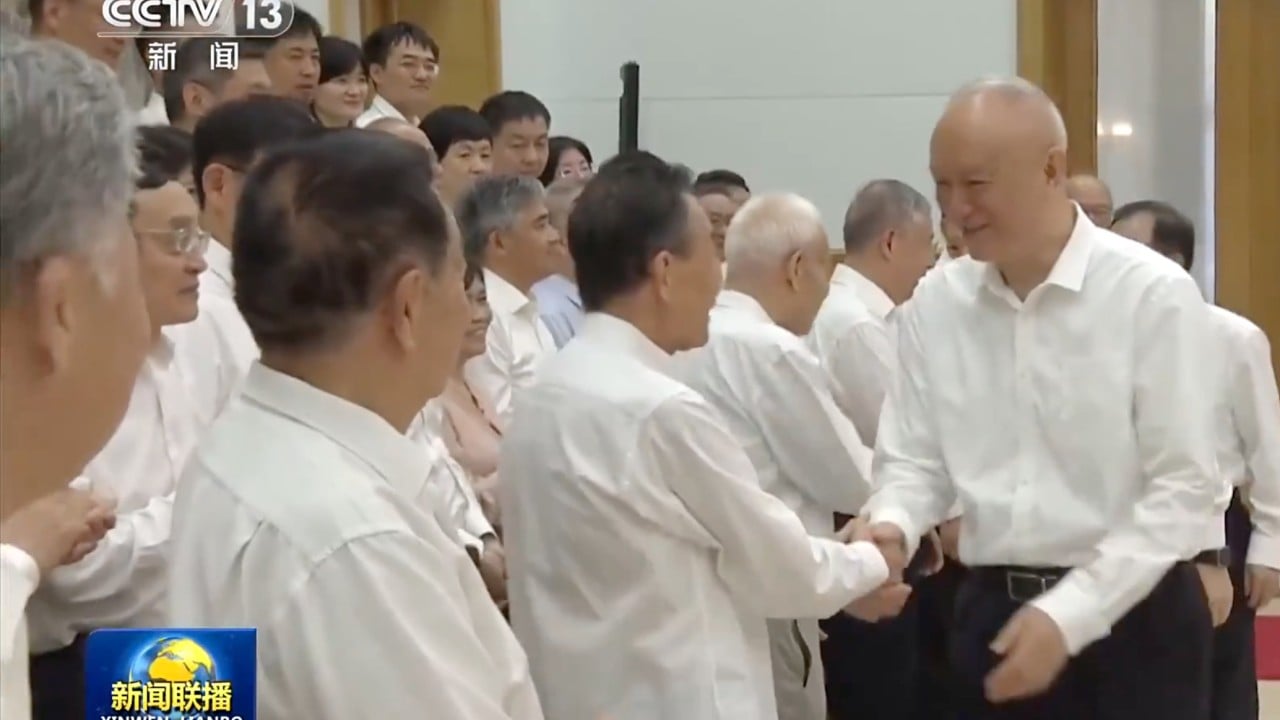
One detail that casual observers often miss is the heavy presence of scientific and technological elites during this period. The gathering isn't just about party cadres debating party rules. State media cues the start of the retreat through specific signals, such as top officials meeting with invited scholars, engineers, and scientific experts in Hebei.
Why invite scientists to a political beach resort?
China faces intense technological pressures, from semiconductor supply chain restrictions to energy transitions and advanced manufacturing goals. Beijing relies heavily on technocratic input to draft long-term industrial policies. Bringing top minds to Beidaihe allows leadership to receive unfiltered briefings away from the daily paperwork of Beijing. It's a working holiday designed to tap into brainpower for national strategy, not an open mic night for disgruntled politicians to air grievances.
How to Read the Signals Without Falling for Conspiracy Theories
If you follow international headlines about China, August always brings a predictable wave of speculative panic. You will read about mysterious disappearances, sudden policy reversals hatched on the beach, or secret anti-leadership coalitions.
Ignore the noise. Keep a few grounded principles in mind when evaluating news out of Beidaihe:
- Check the official tells: Beijing never publishes a press release saying the vacation has started. Look instead for the sudden silence in state media regarding top leaders' daily schedules, paired with announcements of senior officials meeting with experts locally.
- Differentiate between consultation and compromise: When leaders talk to scientists and policy advisors at the resort, it's a consultation. Do not mistake it for a legislative vote or a power-sharing agreement.
- Recognize regional security measures: Traffic controls, restricted airspace for drones, and limitations on private watercraft are standard operating procedure now. They reflect high-level security protocols, not an impending coup.
The annual migration to the coast remains a fixture of the political calendar, but its character has transformed. It is an institution stripped of its old chaotic theater, replaced by structured efficiency and strict party discipline. Stop looking for cloak-and-dagger drama where there is only calculated administration.