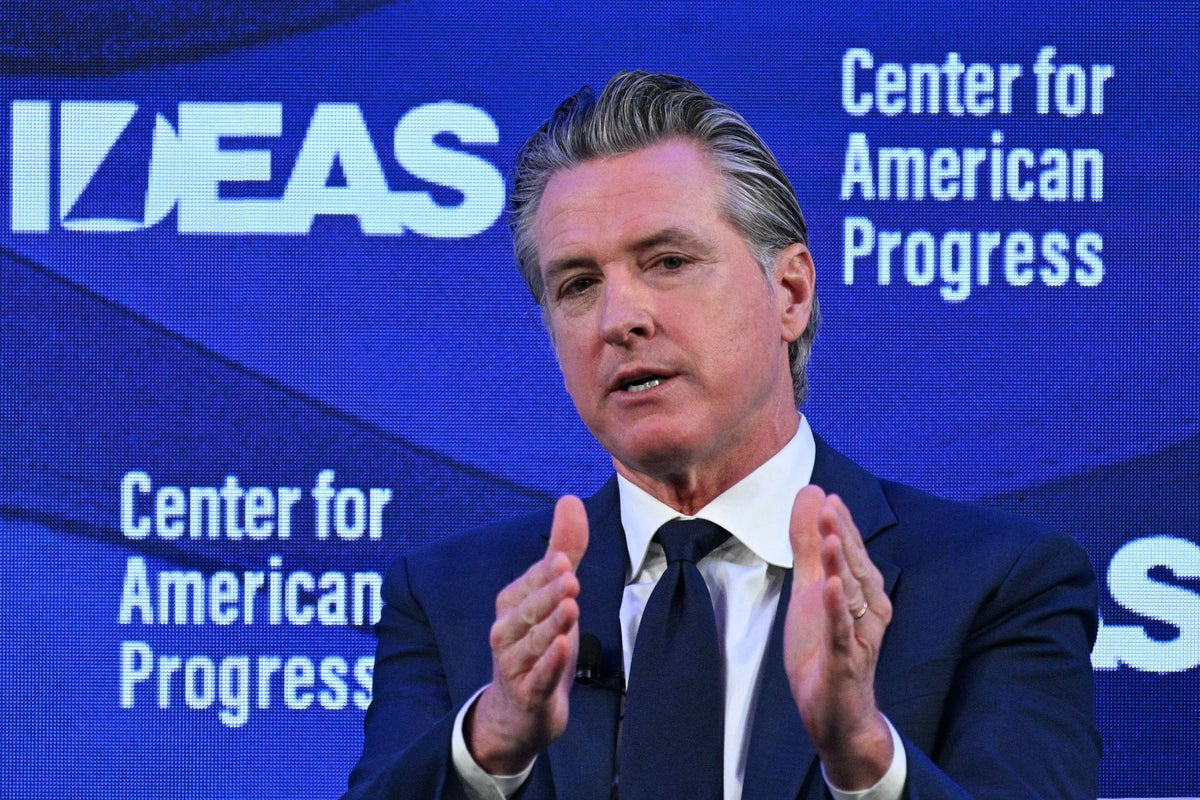
Governor Gavin Newsom recently signed a $352 billion state budget for California, a massive fiscal package that avoids immediate, devastating cuts by punting structural deficits and healthcare reductions past his exit from office. Billed by Sacramento leadership as a balanced triumph with zero deficit, the spending plan is under intense scrutiny. Conservatives argue this maneuvering offers an ominous preview of a potential Newsom presidency—one that relies on targeted tax increases, temporary revenue windfalls, and accounting delays to defer fiscal reckonings until someone else holds the gavel.
The numbers hide a complex structural shell game.
By postponing major health and social service reductions until July 2027, the administration has successfully shielded its signature progressive expansions from immediate rollbacks. This strategy allows the outgoing governor to exit Sacramento with an unblemished narrative of progressive prosperity. The long-term math remains brutal. Nonpartisan legislative analysts previously warned of persistent multi-billion-dollar shortfalls over the coming years, meaning the incoming administration will face an immediate fiscal cliff the moment they take the oath of office.
The Mechanism of the Delayed Deficit
Sacramento avoided massive immediate spending cuts through an elaborate sequence of deferrals and temporary accounting fixes. The budget officially claims a zero deficit for the upcoming fiscal year and the one following it, yet this stability relies heavily on a temporary revenue windfall and the suspension of expected payments to state reserves and K-12 schools.
The most significant maneuvering occurs within Medi-Cal, the state Medicaid program serving over 14 million residents. Instead of implementing deep service cuts proposed earlier in the legislative session, lawmakers agreed to freeze asset tests and delay major benefit reductions for another year. This includes kicking decisions regarding higher premium rates and reduced dental benefits for low-income populations down the road.
Republican State Senator Roger Niello summarized the frustration of fiscal conservatives, stating that while the governor can claim a balanced budget on his way out the door, he is essentially leaving the state with his tab.
Targeted Tax Increases and Corporate Caps
To keep the $352 billion machine humming without widespread public backlash, the state turned to targeted revenue generation rather than broad-based income tax hikes. The final agreement permanently caps corporate tax breaks at $5 million or 50% of total tax liability for California's largest corporations. This policy targets major commercial operations to generate immediate cash, though business advocacy groups warn it harms long-term economic competitiveness.
Simultaneously, the budget introduces new consumer-adjacent revenue measures. A new sales tax will apply to software products downloaded or accessed online, directly hitting the tech-heavy state economy. The administration also reformed an existing tax on healthcare providers to capture more revenue from private insurance plans.
Democratic leadership maintains these measures are defensive counterweights to federal healthcare funding reductions. Lawmakers argued the state faced an obligation to step up and shield vulnerable communities from external fiscal pressures, even if it meant adjusting the tax architecture for corporations.
The Political Calculus of an Exit Strategy
This fiscal blueprint arrives at a critical juncture for the governor, who leaves office in January 2027 and is widely understood to be positioning himself for national office. The policy priorities embedded in this budget function as a national calling card.
The spending plan explicitly funds high-profile progressive benchmarks. It preserves universal free school meals, protects state-funded childcare slots, and dedicates $29 million to the Secretary of State office to increase staffing and upgrade technology aimed at speeding up election vote counts. Another $10 million is earmarked specifically to combat misinformation regarding the state voting process.
These priorities ensure a highly visible legislative legacy. The structural vulnerability is that these programs are being sustained via short-term revenue maneuvers that expire shortly after the governor leaves the state capitol. If the state economy slows or the anticipated revenue from corporate tax caps falls short, the next administration will have to choose between massive tax increases or unprecedented cuts to the social safety net.
Local Impacts and the Immigrant Healthcare Cliff
The human cost of these delayed fiscal decisions will become apparent in mid-2027. Under the terms of the signed agreement, California will limit state-funded healthcare coverage for roughly 150,000 immigrants—including refugees and human trafficking survivors—to emergency and pregnancy care only, starting in July 2027.
Local counties are receiving a temporary reprieve through a $900 million allocation for homelessness programs, nearly double what was originally requested by the executive branch. This funding allows municipal leaders to maintain current shelter operations through the upcoming election cycle, but offers no permanent solution for structural homelessness infrastructure once the funds evaporate.
By engineering a budget that buys time rather than fixing underlying structural imbalances, Sacramento has established a precedent where fiscal stability is measured in months rather than decades. The strategy protects the current political narrative, but leaves the structural survival of California's social programs entirely dependent on the decisions of whoever wins the upcoming gubernatorial race.