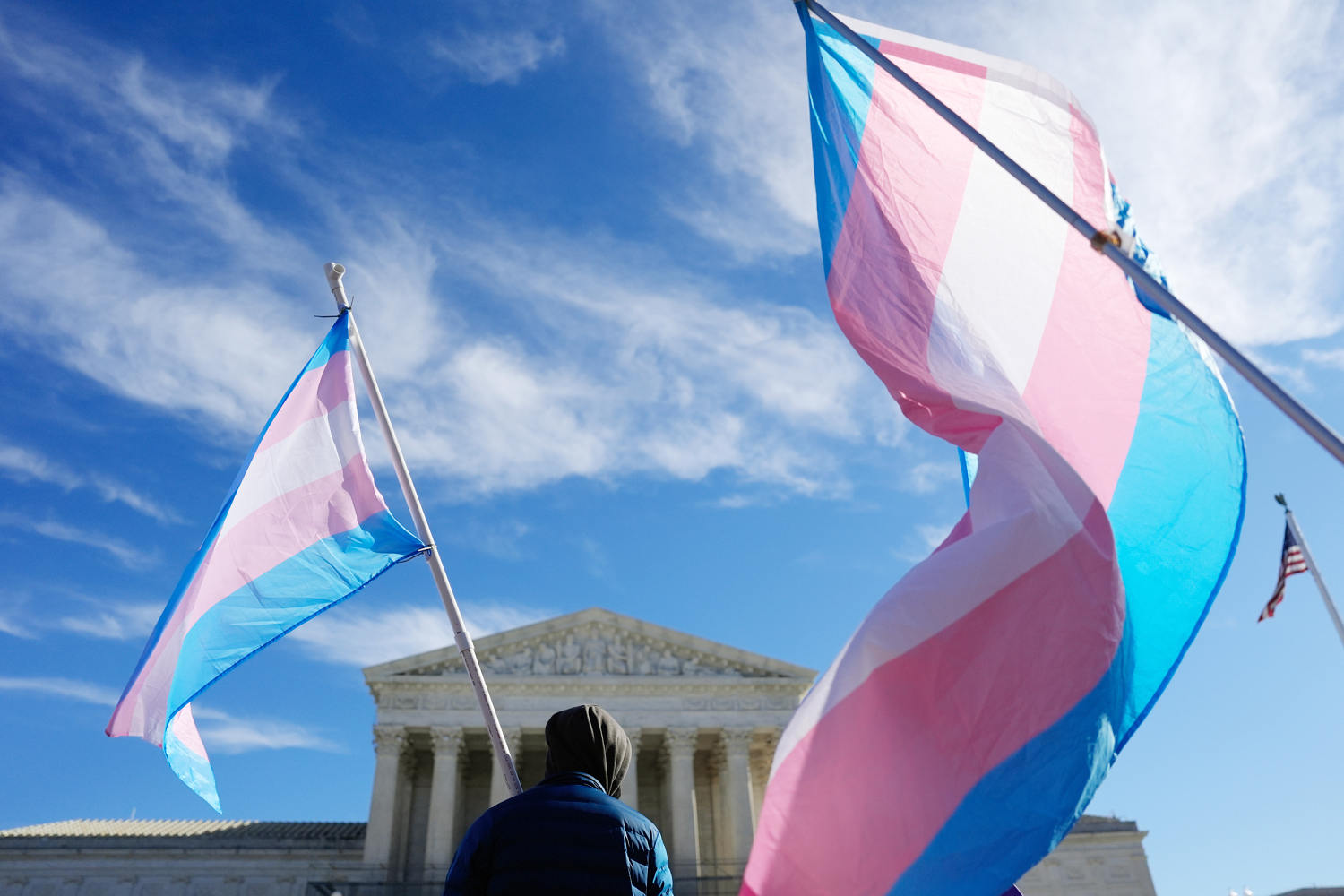
The federal government does not get to rewrite the Eighth Amendment by administrative fiat, at least not yet. When the Supreme Court left intact a lower court decision blocking the Trump administration's attempt to restrict medical treatments for transgender prisoners, it signaled a hard ceiling on how far executive branch policy can override established constitutional standards inside correctional facilities.
At the center of this legal clash is a Bureau of Prisons directive born from executive orders targeting gender-affirming care. The policy sought to halt specific medical interventions for incarcerated transgender individuals. But correctional facilities operate under a constitutional mandate that changes the equation entirely. Unlike free citizens who can seek alternative providers, people behind bars rely entirely on the state for their survival. When the state takes away liberty, it assumes an absolute obligation to provide adequate medical care.
The lower appellate court pulled no punches when reviewing the administration's rationale, noting that the Bureau of Prisons failed to account for its own operational history and medical guidelines. The underlying rationale, according to the judicial review, appeared contrived to meet political demands rather than clinical realities. By letting that block stand, the high court kept the current legal standard intact, ensuring that medical necessity, rather than shifting political winds, remains the nominal baseline for institutional health services.
Constitutional protections do not stop at the prison gate. Under the Eighth Amendment, deliberately ignoring established medical needs constitutes cruel and unusual punishment. Major medical associations recognize gender-affirming treatment as necessary care for individuals experiencing severe gender dysphoria. When correctional systems attempt to ban specific categories of medically endorsed interventions wholesale, they run headfirst into decades of jurisprudence governing deliberate indifference.
Yet, framing this purely as a dispute over healthcare misses the broader administrative mechanics at play. Executive branch transitions often bring sweeping directives designed to reshape federal agency compliance overnight. The Department of Justice and the Bureau of Prisons found themselves caught between sweeping political mandates and entrenched legal guardrails. Lower courts pointed out a glaring omission in the administration's approach: an inability to demonstrate that standard medical protocols inside prisons were failing or causing harm.
This legal friction is far from resolved. While the Supreme Court's refusal to lift the injunction keeps access open for now, the underlying lawsuit continues to wind its way through the federal judiciary. The broader strategy by the administration to curb federal recognition of gender identity faces a patchwork of judicial resistance. From funding conditions in public health programs to restrictions within federal penitentiaries, every policy adjustment is tested against statutory authority and constitutional limits.
For prison administrators, the immediate operational reality remains unchanged. Medical staff must continue evaluating inmates based on clinical guidelines rather than political directives. The friction between executive branch ambitions and judicial oversight highlights the rigid boundaries of administrative power when it collides with individual constitutional rights.
The architecture of federal detention policy is being stress-tested on multiple fronts, and the outcome of these ongoing trials will redefine the limits of executive reach over captive populations.
Supreme Court strikes down Trump's ban on transgender care for inmates
This video provides an overview of the legal developments surrounding the Supreme Court's handling of medical treatment policies for transgender inmates.