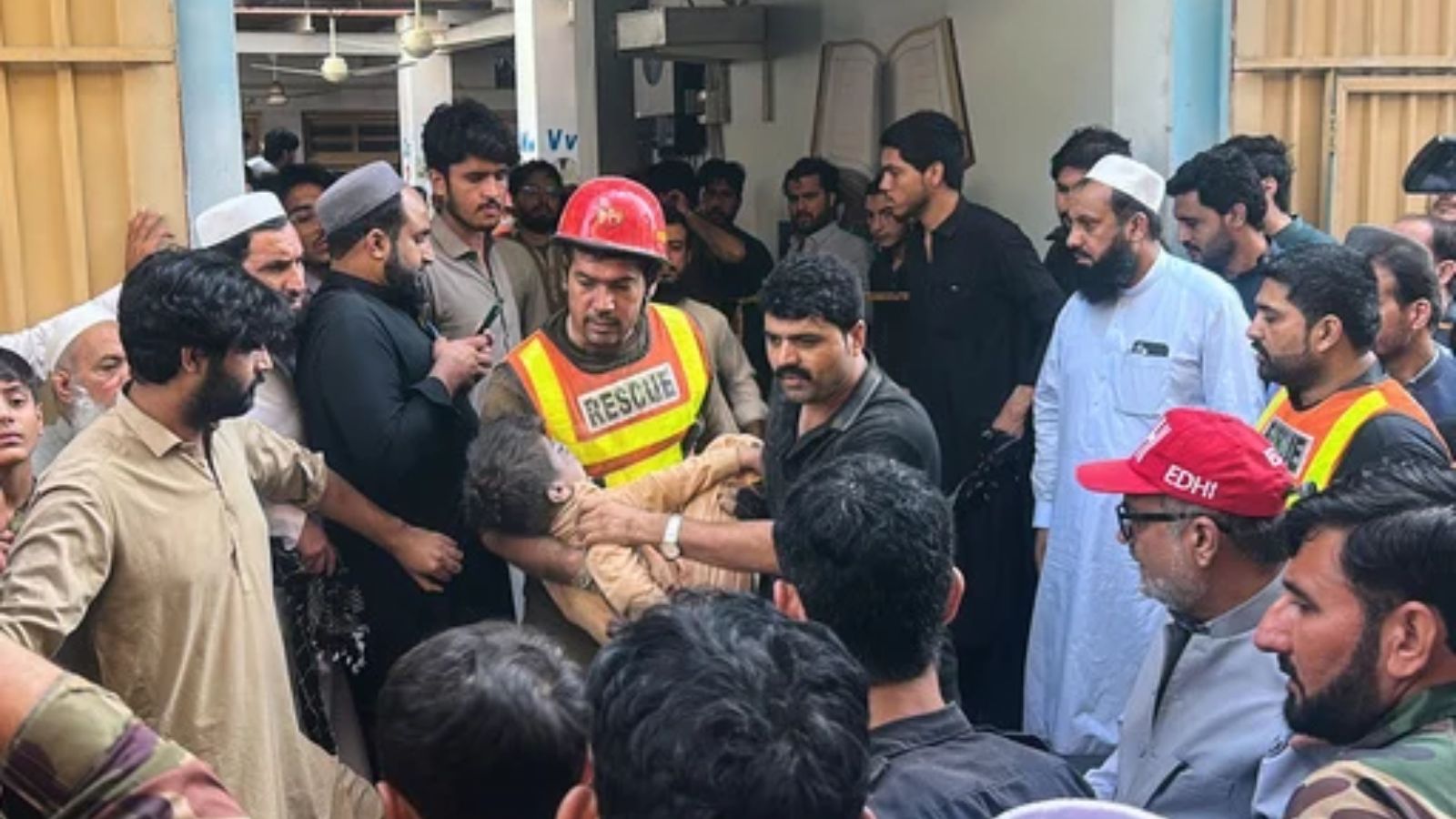
Education is supposed to be a lifeline. Instead, for dozens of families in Peshawar, a regular school day turned into an absolute nightmare when a building caved in. Over thirty children and teachers lost their lives when a school roof collapsed, exposing a deadly ecosystem of systemic corruption, poor construction standards, and regulatory failure.
Police arrested the school owner shortly after the tragedy, but handcuffs and courtroom drama won't bring those kids back. This disaster isn't an isolated accident. It is the predictable outcome of a broken system that repeatedly ignores basic human safety in favor of quick cash.
The Real Cost of Substandard Construction
When buildings fail, people look for a scapegoat. They blame bad weather or an unlucky structural shift. But roofs don't just cave in out of nowhere.
Decades of rapid, unmonitored urbanization mean thousands of educational institutions operate out of aging, poorly maintained, or illegally modified structures. Owners cram students into tight spaces, add unauthorized upper floors to weak foundations, and skip basic engineering assessments to save money.
- Cheap materials save a few rupees upfront.
- Ignored building codes cut corners during construction.
- Zero structural audits let dangerous flaws hide in plain sight.
You get cheap mortar, substandard steel reinforcement, and crumbling concrete. When heavy monsoon rains or natural wear and tear hit these buildings, they stand no chance. The kids inside pay the ultimate price for someone else's cheapness.
Why Institutional Oversight Fails
It's easy to point fingers at the person who owned the building. Accountability has to go much deeper than that. Local municipal bodies and education boards are supposed to inspect schools regularly. They are supposed to shut down fire traps and structurally unsound buildings before tragedy strikes.
So why are illegal schools allowed to operate in the open?
Bribes keep inspectors quiet. Bureaucratic red tape keeps files sitting on desks for months. Oversight only happens after bodies are pulled from the rubble. By then, the political outrage machine spins up, promises are made about strict new regulations, and life goes on until the next disaster hits the headlines.
Parents send their children off to learn, trusting that the walls around them won't turn into a tomb. That trust is routinely betrayed by regulatory bodies that treat building safety as an optional luxury rather than a fundamental right.
What Real Reform Looks Like
Arresting an owner after a tragedy is reactive justice. It feels good on the evening news, but it does nothing to prevent the next collapse. Protecting students requires sweeping, unyielding structural changes across the entire educational sector.
Independent, transparent safety audits must become mandatory for every single school building, private or public. No exceptions. If a building fails basic structural integrity tests, it should be shut down immediately with alternative spaces provided for students.
Public safety registries need to be transparent. Parents should be able to look up whether their child's school meets basic construction standards before they ever step foot in a classroom.
Until local governments treat infrastructure enforcement with the seriousness it demands, more innocent lives will be lost to preventable structural failures. The warning signs are written clearly in the rubble, and ignoring them is no longer an option.