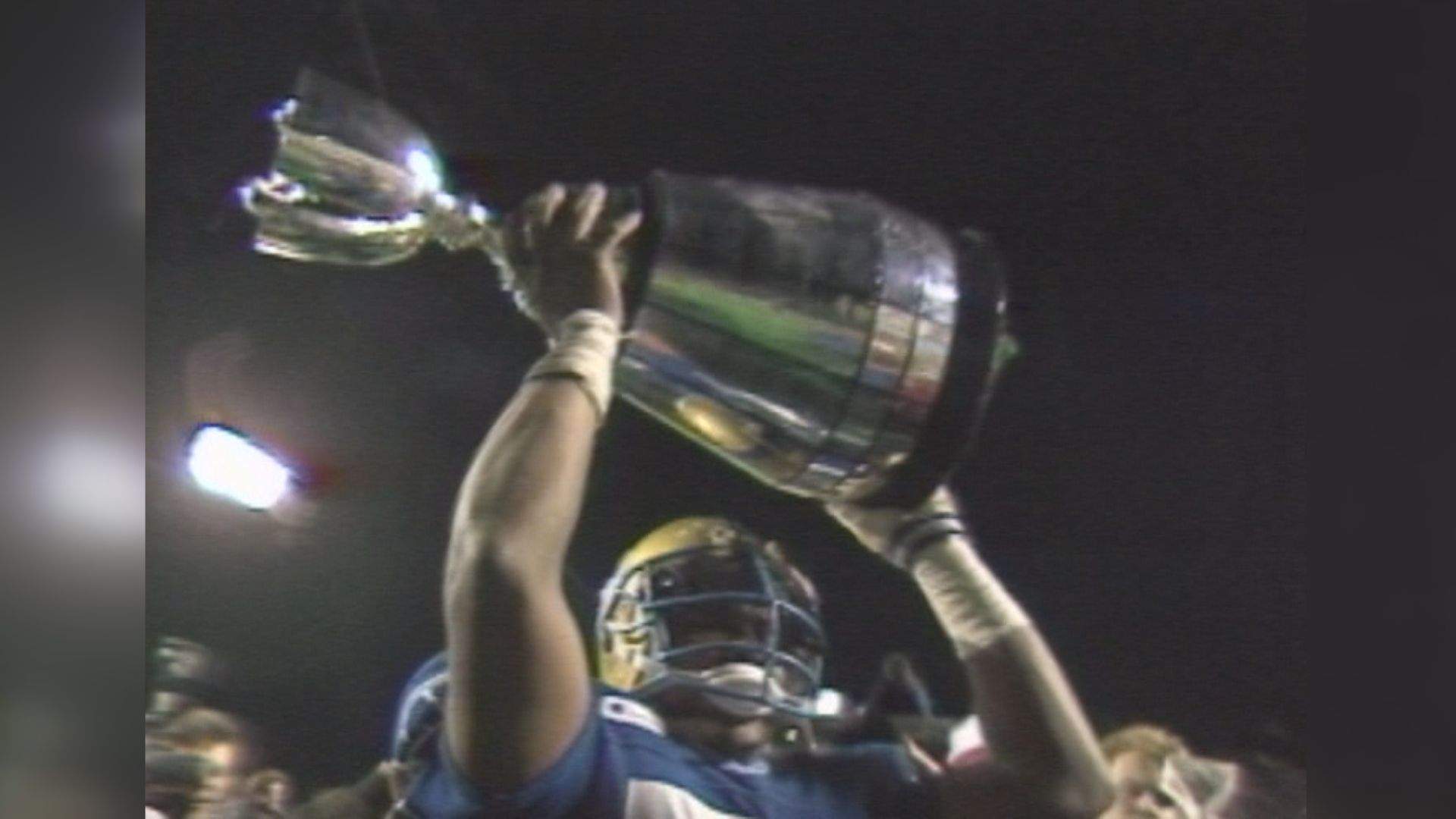
The Winnipeg Blue Bombers just took the easy way out.
By announcing the induction of two entire Grey Cup-winning championship rosters into their team Hall of Fame for the 2026 class, the franchise chose nostalgia-fueled fan service over actual athletic prestige. It looks great on a press release. It sells tickets to a legacy dinner. It makes everyone feel warm and fuzzy inside. If you found value in this piece, you should look at: this related article.
It is also a total dilution of what a Hall of Fame is supposed to represent.
When you enshrine an entire 45-man roster, you aren't just honoring legendary quarterbacks, game-breaking receivers, and shutdown cornerbacks. You are putting the third-string long snapper who played four snaps all season on the exact same pedestal as the Grey Cup MVP. You are telling fans that individual excellence is interchangeable with being in the right locker room at the right time. For another perspective on this story, refer to the recent update from CBS Sports.
Championships belong in the trophy case. Individuals belong in the Hall of Fame. Conflating the two ruins both.
The Lazy Myth of Team Enshrinement
Sports culture has swallowed a comfortable lie: that because football is the ultimate team sport, honoring entire squads is the highest form of respect.
That logic is broken.
A Hall of Fame exists to separate the exceptional from the merely adequate. It is a sanctuary for players who defied the baseline standards of their era. When a committee lazily inducts a whole roster, they abandon the difficult, necessary task of critical evaluation. They trade analytical rigor for emotional convenience.
Consider the reality of a championship football roster.
- The Elites: The 5 to 8 players who legitimately carried the load, drove the analytics, and made game-changing plays when the season was on the line.
- The System Contributors: The solid starters who executed their assignments, filled their roles, and stayed healthy.
- The Passengers: The depth guys, late-season practice squad signees, and bench warmers who happened to be wearing the uniform when the confetti fell.
When you induct the team as a single unit, the passenger gets the same ring, plaque, and permanent recognition as the franchise cornerstone. You reduce the standard of entry to zero for anyone lucky enough to hold a roster spot during a winning run.
I have spent decades watching sports organizations handle legacy management. The clubs that retain real authority are the ones that ruthlessly guard their highest honors. The moment you hand out group passes to your pantheon, you tell your elite alumni that their lifetime of singular dominance wasn't special enough to stand on its own.
The Ring Fallacy: Why Championships Don't Equal Individual Greatness
We need to stop using team trophies as a proxy for individual immortality.
Winning a Grey Cup requires luck, health, roster depth, coaching staff stability, and often a favorable bounce off an upright. A world-class player can spend five years putting up historic, dominant numbers on a dysfunctional roster and never touch a trophy. Meanwhile, a replacement-level player can get traded to a stacked squad in October and walk away with a championship ring in November.
Does the replacement-level player deserve a Hall of Fame nod just because he happened to sit on the bench during a championship run? Of course not. Yet that is precisely what mass team inductions accomplish.
If you want to celebrate a championship team, raise a banner in the stadium. Put the trophy in the front lobby. Hold a ten-year reunion at halftime and let the crowd cheer during a video package.
Leave the Hall of Fame for the humans who actually altered the course of franchise history through individual skill.
How Honor Dilution Kills Fan Engagement
Proponents of group inductions argue that it brings fans together to relive the glory days. They claim it builds community and honors the collective spirit of the city.
They are wrong. It does the opposite over time.
When every player on a championship team gets enshrined, the bar for entry vanishes. Fans instinctively understand scarcity value. Gold is valuable because it is rare; sand is cheap because it is everywhere. The moment a team Hall of Fame becomes overcrowded with role players, the distinction loses its punch.
Imagine being a single player inducted after a decade of All-Star selections, brutal injuries, and elite production. You show up to the ceremony, look around, and realize the guy who dressed for two games in October and never played a snap of playoff football has the exact same status as you.
That isn't unity. It is an insult to real standard-bearers.
The Correct Hierarchy of Sports Honors
Franchises need to restore discipline to how they handle history. There is a clear, logical structure that respects collective achievement without bastardizing individual prestige.
- The Stadium Rafters: Reserved for championship banners, team years, and collective milestones. This is where team accomplishments belong.
- The Wall of Honor / Ring of Honor: Reserved for fan favorites, long-tenured contributors, and solid players who defined a specific era of the team.
- The Hall of Fame: Reserved strictly for individual legends. The players and coaches who were objectively elite relative to their peers across the league.
By collapsing these distinct tiers into a single, feel-good group induction, organizations short-circuit the entire process. They give out the highest possible honor for a collective achievement that already has its own dedicated reward: the championship trophy itself.
Stop diluting the hall. Raise the banner, buy the team a round of drinks, and reserve the plaques for the select few who earned them on their own merit.