The ritual of the American prom is supposed to be a milestone of transition, but in Indianapolis, it has once again become a marker of tragedy. A post-prom gathering that should have ended with sunrise instead collapsed into gunfire, leaving one teenager dead and three others wounded. This isn't an isolated incident or a freak occurrence. It is the predictable result of a city struggling to manage the intersection of illegal firearm proliferation and a lack of secure, supervised spaces for its youth.
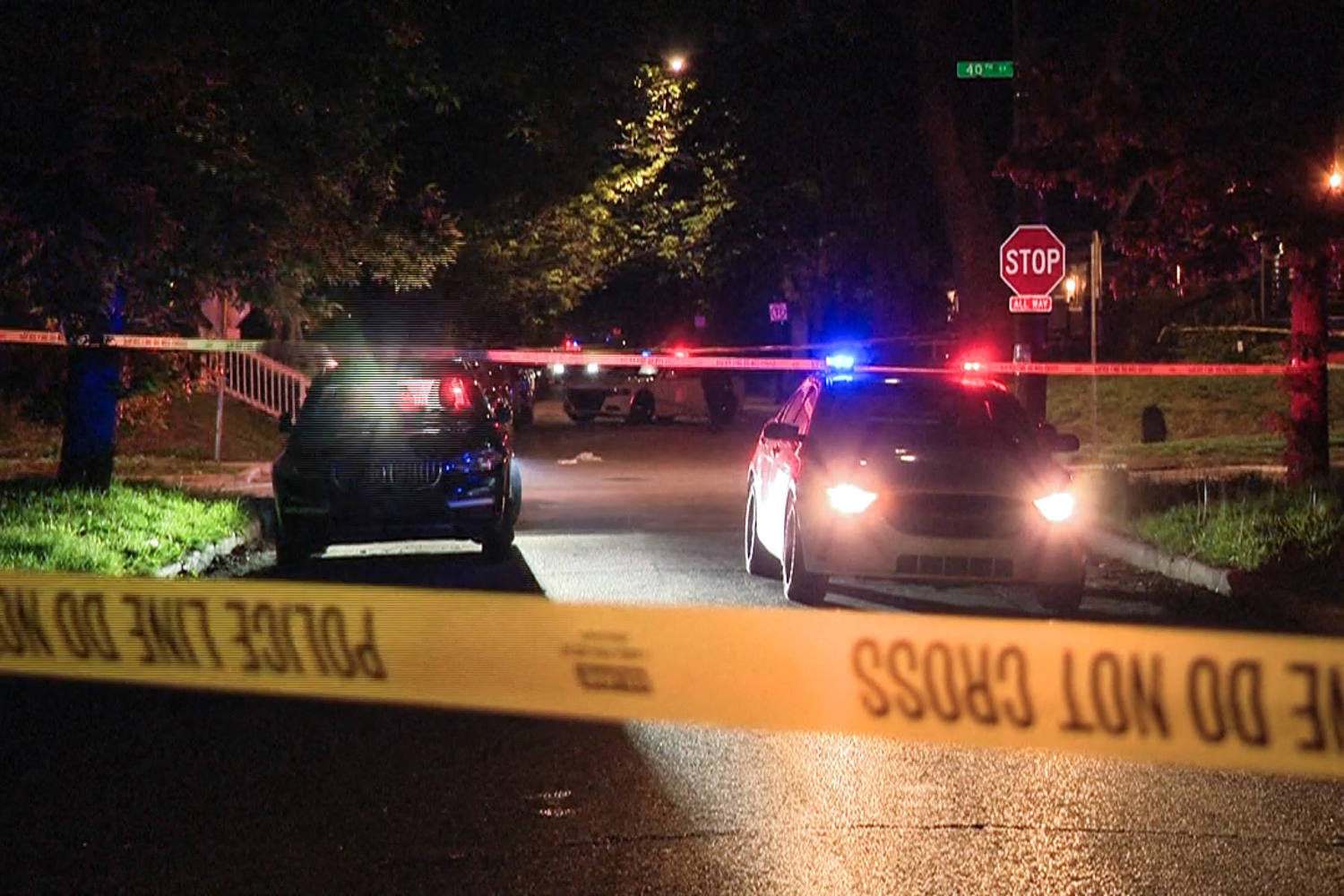
When the shots rang out at the gathering on the city's northeast side, the immediate response followed a weary, well-worn script. Police cordoned off the area, ambulances raced to nearby hospitals, and local officials issued statements of "heartbreak" and "senseless violence." Yet, for those who have tracked the city’s crime data over the last decade, the shock has long since worn off. The victim, a young man with his entire life ahead of him, is now a statistic in a city that frequently finds itself in the top tier of per-capita homicide rates for its size.
The three survivors face a different kind of sentence. They will carry physical and psychological scars that outlast the news cycle. The investigation remains active, but the narrative is already familiar to the residents of Indianapolis. This was a private gathering that spiraled out of control, a situation where the presence of a firearm turned a momentary dispute into a permanent catastrophe.
The Myth of Isolated Incidents
City leadership often frames these shootings as isolated events—unfortunate flare-ups between specific individuals. This framing is a defensive mechanism. If a shooting is "isolated," it implies that the city’s broader safety systems are functioning and that this was merely a glitch in the matrix.
The data suggests otherwise. Indianapolis has seen a consistent pattern of violence involving juveniles and young adults during the late-night hours following major school events. These aren't glitches; they are symptoms of a systemic failure to provide safe outlets for the city's youth and a failure to intercept the illegal flow of handguns that makes these altercations lethal.
We are seeing a trend where the "after-party" has become more significant, and more dangerous, than the sanctioned event itself. While schools provide high-security environments for the actual dance, the hours between midnight and 4:00 AM remain a vacuum. In that vacuum, unsupervised gatherings in short-term rentals or private residences become magnets for trouble. Without a centralized, city-backed strategy to offer alternative, secure late-night programming, the streets remain the only option for thousands of students.
The Firearm Pipeline
You cannot discuss an Indianapolis shooting without addressing the sheer volume of guns on the street. Indiana’s legislative environment has made the acquisition of firearms remarkably easy, often bypassing the friction points that might stop a weapon from falling into the hands of a minor or a straw purchaser.
- Permitless Carry: The removal of licensing requirements has complicated the ability of law enforcement to proactively manage who is armed in public spaces.
- The "Secondary Market": A significant number of weapons used in these crimes are stolen from vehicles or purchased through unregulated private sales.
- Glock Switches: Federal agents in the region have noted a rise in illegal modifications that turn semi-automatic handguns into fully automatic weapons, drastically increasing the casualty count in crowded settings.
When a fight breaks out at a party in 1994, someone might end up with a bruised jaw. In 2026, that same fight ends with a spray of 9mm rounds. The lethality of youth conflict has been amplified by an order of magnitude. Law enforcement is playing an endless game of whack-a-mole, trying to seize illegal weapons that are replaced faster than they can be processed into evidence lockers.
The Policing Gap
The Indianapolis Metropolitan Police Department (IMPD) is currently facing a significant staffing shortage. This isn't just about "boots on the ground"; it's about the type of policing that is possible when a department is stretched thin. When a force is understaffed, it shifts into a purely reactive mode.
Reactive policing means you show up after the body is on the ground. It means you collect shell casings and talk to witnesses who are too terrified to speak. It does not mean you are walking the neighborhoods, building the rapport necessary to hear the whispers of a planned "retaliation" or an uncurbed party that is about to boil over.
The community’s trust in the police is a fragile currency. In many of the neighborhoods most affected by this violence, the police are seen as an occupying force that only appears when something goes wrong. This disconnect ensures that the "no snitching" culture thrives. If the community doesn't believe the police can keep them safe from the repercussions of talking, they will remain silent. And in that silence, the shooters remain free to strike again.
The Failure of Curfew Enforcement
Indianapolis has curfew laws on the books. They are almost never enforced in a way that prevents these gatherings. Critics argue that strict curfew enforcement leads to the over-criminalization of Black and Brown youth, which is a valid concern. However, the alternative—a total lack of oversight—has led to a body count that is equally, if not more, devastating.
The city needs a middle ground. This isn't about throwing teenagers in jail for being out late; it’s about a coordinated effort between social services and law enforcement to break up large, high-risk gatherings before the first shot is fired. Currently, there is no "intervention" protocol for a house party of 100 teens other than waiting for a noise complaint or a 911 call reporting shots fired.
The Short-Term Rental Nightmare
A hidden factor in the rise of post-prom violence is the proliferation of short-term rentals. In years past, a "house party" happened at a local kid's home where neighbors knew the parents. Today, parties are frequently held in "ghost hotels"—properties owned by out-of-state investors who have no stake in the neighborhood’s safety.
These rentals provide a temporary, anonymous venue for large groups. When the party turns violent, the "host" is nowhere to be found, and the property owner is shielded by a platform’s corporate bureaucracy. Indianapolis has struggled to regulate these spaces effectively, leaving neighborhoods vulnerable to "pop-up" parties that can turn into crime scenes in minutes.
The Economic Cost of Violence
Beyond the immeasurable human toll, there is a cold, hard economic reality to this violence. Every shooting in Indianapolis costs the taxpayers hundreds of thousands of dollars.
| Expense Category | Estimated Cost Per Incident |
|---|---|
| Emergency Medical Response | $15,000 - $50,000 |
| Long-term Hospitalization | $100,000+ |
| Police Investigation (Overtime/Forensics) | $40,000+ |
| Judicial and Incarceration Costs | $250,000 - $1,000,000 |
| Property Value Impact | $50,000+ (Per neighborhood) |
When you multiply these figures by the dozens of shootings the city experiences annually, the "savings" from cutting youth programs or underfunding community centers look like a rounding error. The city is paying for its failure to invest in its youth, it’s just paying for it at the morgue and the courthouse instead of the classroom and the park.
Beyond the "Thoughts and Prayers" Cycle
If the city wants to stop the next prom season from being a repeat of this one, it has to move beyond the performative grief of elected officials. We see the same faces behind the same podiums every time a young person dies. They speak of "coming together" and "ending the violence," but the policy shifts are non-existent.
Real change requires friction. It requires making it harder for teenagers to access firearms. It requires holding property owners—including short-term rental hosts—accountable for the carnage that happens on their premises. It requires a police department that is staffed well enough to do more than just tape off crime scenes.
The parents of the victim in this latest shooting don't want a vigil. They wanted their son to come home, take off his tuxedo, and talk about his plans for the summer. He never got that chance.
The city’s current trajectory suggests that next year, another family will be standing in the same spot, asking the same questions, while the city offers the same empty answers. The blood on the pavement dries quickly, but the stain on the city's conscience is becoming permanent. Stop looking for "senseless" explanations and start looking at the systems that allow this to be the inevitable conclusion of a Saturday night.