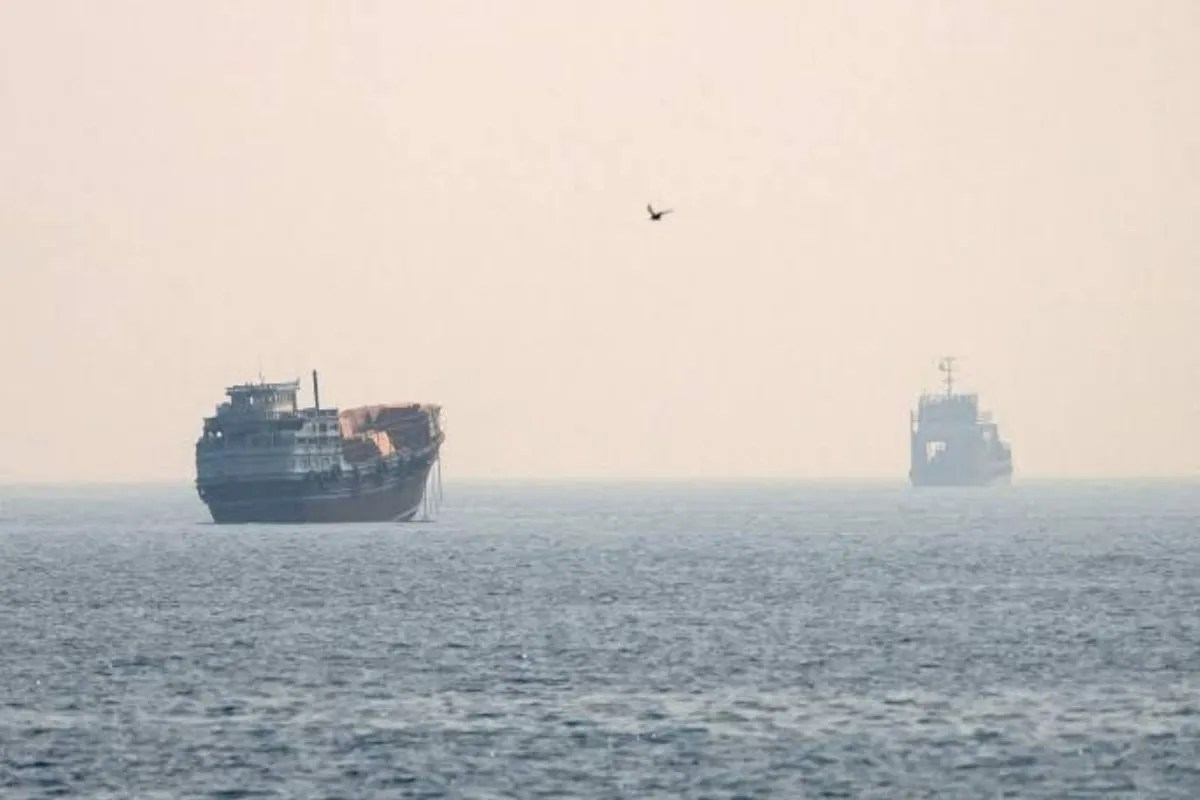
When a projectile slammed into the Kuwait-flagged crude oil tanker MT Kazimah III inside the narrow waters of the Strait of Hormuz, the immediate danger to the crew was absolute. Among those on board were five Indian nationals whose lives hung in the balance. What happened next was a masterclass in rapid diplomatic coordination and maritime rescue.
The Indian Embassy in Oman stepped in instantly, working closely with local Omani authorities to track the vessel, secure emergency clearances, and bring all five Indian seafarers ashore safely. While global headlines often focus purely on the macroeconomic impact of regional volatility, the human cost is heavy. Thousands of Indian seafarers work on commercial cargo ships traversing these high-risk maritime chokepoints every single day. Building on this topic, you can find more in: The Calendar That Stood Still For Thirteen Years.
The Reality of Maritime Transit in West Asia
The Strait of Hormuz is barely 21 miles wide at its narrowest point, yet a massive share of global crude oil and cargo flows through it. When regional tensions flare, this maritime highway turns into a frontline. Tankers like MT Kazimah III, which was sailing toward the port of Lome in Togo, suddenly find themselves exposed to stray projectiles and targeted strikes.
People often wonder why commercial lines keep operating in these zones. Simple answer: global supply chains don't just pause because things get complicated. Millions of barrels of oil and tons of commodities rely on these routes. But the human element gets lost in the logistics. When an attack happens, you need local diplomatic machinery to move faster than the news cycle. Analysts at The New York Times have provided expertise on this situation.
Inside the Omani Rescue Operation
Coordinating a rescue at sea is never simple. You are dealing with maritime laws, territorial jurisdictions, and active safety threats. When the strike hit MT Kazimah III, the Indian mission in Muscat did not wait for red tape to clear.
By coordinating directly with Omani emergency responders, the embassy ensured that the injured or stranded crew members weren't left stranded on a crippled hulk. Shifting the five Indian nationals ashore wasn't just about moving people off a damaged ship; it was a race against time before secondary hazards like fires or sinking could take hold.
The Ministry of External Affairs (MEA) and spokesperson Randhir Jaiswal have repeatedly emphasized India's strict stance on maritime security. Officials track hundreds of Indian seafarers scattered across dozens of active cargo vessels in the Persian Gulf and surrounding waters.
Why This Matters for Global Shipping
Every successful evacuation like the one led by the embassy in Oman highlights a larger truth. Diplomatic missions are becoming frontline operational units. They aren't just issuing visas or handling paperwork anymore. They are crisis management centers.
Shipping companies and crew members face unprecedented anxieties. When incidents occur, the difference between survival and tragedy often comes down to how fast an embassy can mobilize local coast guards. Oman’s swift cooperation with Indian diplomats in this instance prevented a localized strike from turning into a massive human tragedy.
Securing free and unimpeded navigation through international waterways isn't just an economic talking point for world leaders. For the families of seafarers on vessels like MT Kazimah III, it's a matter of whether their loved ones come home alive.



