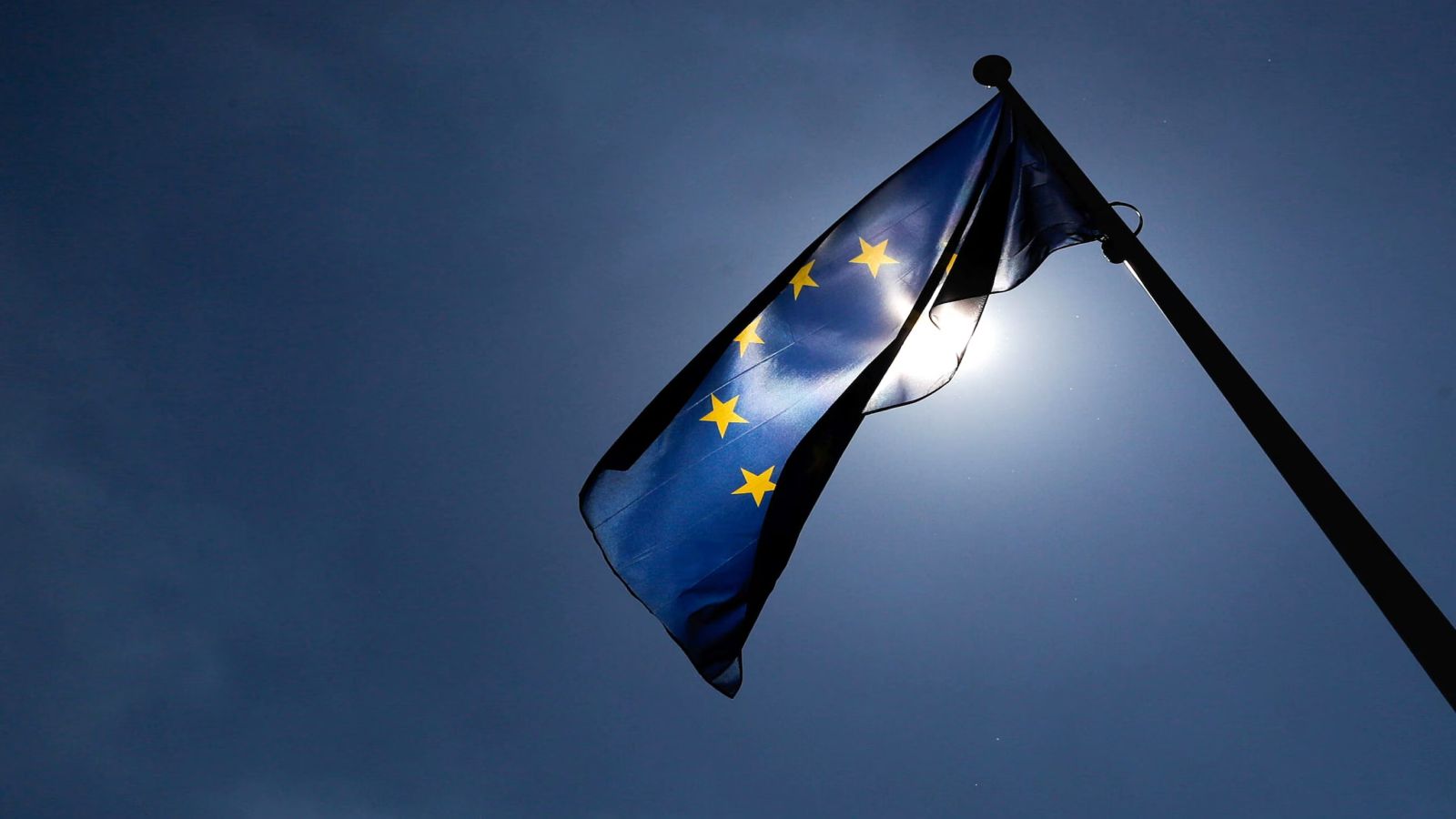
Icelanders have spoken, and they want nothing to do with restarting European Union membership talks. Voters narrowly rejected a government-backed proposal to reopen accession negotiations, final tallies from public broadcaster RÚV showing 52.8 percent voting against and 47.2 percent in favor. With a turnout hitting 82.5 percent, this wasn't a quiet referendum ignored by the public. It was a fierce national debate that exposed deep fractures across the island.
If you thought global instability and shifting security dynamics in the North Atlantic would push Iceland straight into Brussels' arms, you misread the room. Prime Minister Kristrún Frostadóttir pushed for this vote early, banking on fresh anxieties around regional security and high domestic interest rates to swing public opinion. That strategy failed.
The Sovereignty and Fishing Wall
Why did the "No" campaign win? It basically boils down to two sacred cows: national sovereignty and fish.
Iceland's economy swims on its fishing industry. Around 90 percent of local fisheries companies fiercely opposed EU membership. They knew that opening the door to Brussels meant submitting to the bloc's notorious Common Fisheries Policy. For an island nation that literally fought the Cod Wars against Britain in the 1970s to protect its waters, the idea of foreign trawlers vacuuming up their catch is a non-starter.
Voters also clung to a powerful sense of national independence. Having broken away from Denmark in 1944, Icelanders take immense pride in steering their own ship. Opponents of the measure argued successfully that Iceland already enjoys the perks of the European single market and the Schengen travel zone through the European Economic Area (EEA) agreement. Why surrender more legislative control to a massive bureaucracy when you can keep free-trade access without the baggage?
Geopolitics Wasn't Enough to Sway the Skeptics
Proponents of restarting talks tried a "now or near" emergency pitch. They pointed to mounting international volatility, pointing directly at the war in Ukraine and unpredictable rhetoric from US leadership regarding nearby Greenland. The logic was simple on paper: small Arctic nations need heavy-hitter allies.
Yet, everyday citizens didn't buy that EU membership served as an effective shield against geopolitical threats, especially since Iceland is already anchored firmly inside NATO.
Economic arguments cut both ways, too. "Yes" campaigners pointed out that staying outside the Eurozone saddles Icelandic households with a volatile króna and some of the highest borrowing costs in Europe. But "No" voters remembered how the country bounced back after its devastating 2008 banking collapse. They credited their monetary independence and currency flexibility with driving their recovery, making them deeply skeptical that adopting the euro would solve their financial headaches.
What Happens Next
This vote puts the entire EU accession question back on ice, likely until at least 2028 based on political timelines. Brussels takes a heavy hit here. The European Union had hoped to pull a wealthy, strategically vital Arctic state into its fold, treating it as a rare bright spot in its current enlargement push. Instead, they got a firm rejection from a population that likes keeping its distance.
If you are tracking European politics or Arctic trade routes, watch how Reykjavík manages its existing EEA framework. The status quo reigns supreme, and Icelanders have made it clear they prefer steering through choppy global waters entirely on their own terms.