The strategic logic of a secondary blockade at the Strait of Malacca rests on the failure of primary containment in the Persian Gulf. If the Strait of Hormuz represents the source of Iranian crude, the Strait of Malacca represents the primary arterial flow to its largest remaining customers, specifically China. Disrupting this flow transforms a regional Middle Eastern conflict into a global logistical crisis. The viability of this plan depends on three distinct variables: sovereign maritime law, the physical constraints of the Sunda and Lombok alternatives, and the economic threshold of Chinese energy reserves.
The Dual Choke Point Framework
Geopolitical leverage in the Indo-Pacific is defined by the geography of the "Oil Silk Road." Iran’s economy relies on "Ghost Fleet" tankers that bypass traditional sanctions by utilizing ship-to-ship transfers and disabling AIS (Automatic Identification System) transponders. To neutralize this, a strategy must move beyond the Hormuz Choke Point and activate the Malacca Constraint.
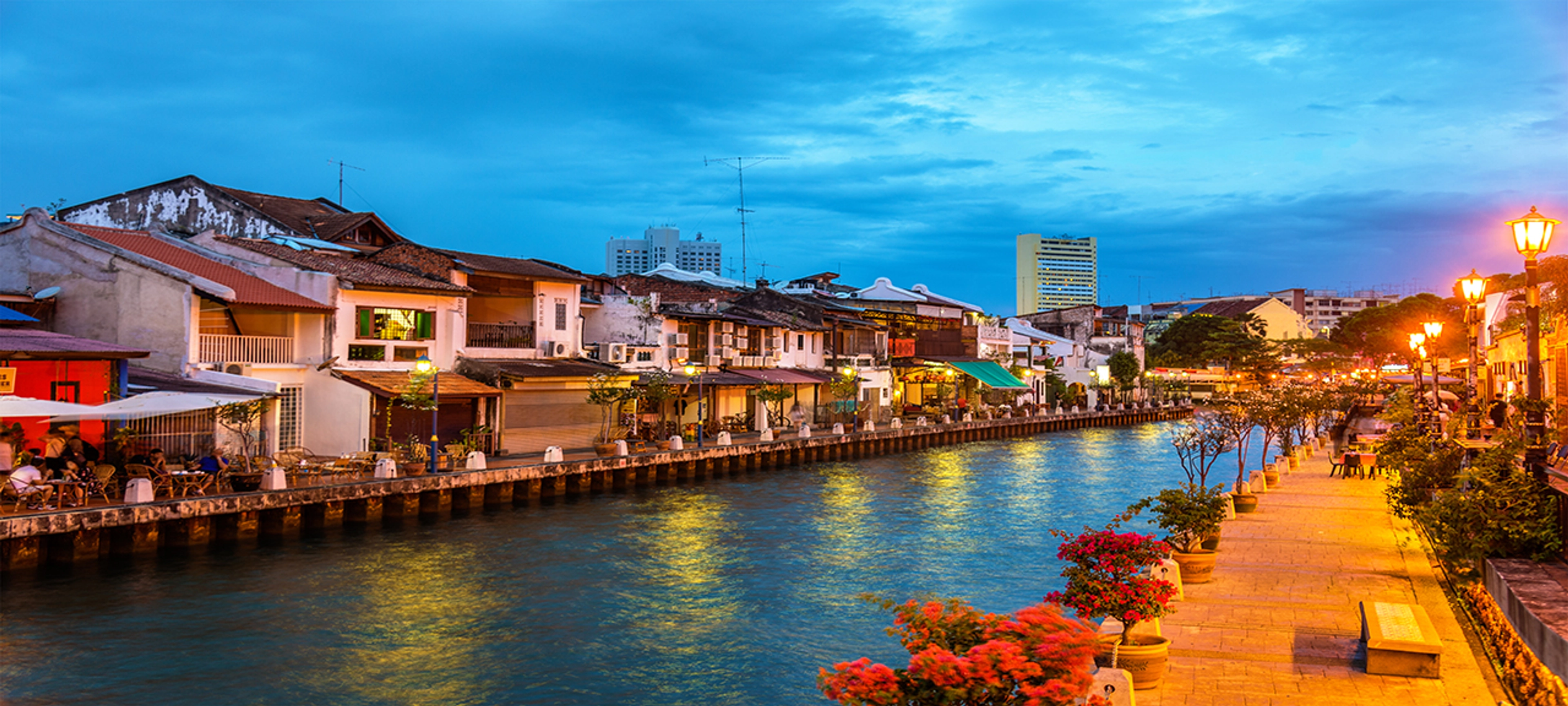
The Strait of Malacca is the shortest sea route between the Middle East and East Asia, measuring approximately 580 miles in length. At its narrowest point, the Phillips Channel near Singapore, it is only 1.7 miles wide. This creates a natural inspection funnel. By establishing a presence here, the United States and its allies transition from a defensive posture in the Gulf to an offensive interdiction posture in Southeast Asia.
The Mechanism of Interdiction
Interdiction at Malacca is not a simple naval blockade; it is a complex application of the Proliferation Security Initiative (PSI) logic. The operational steps involve:
- Intelligence Fusion: Tracking dark vessels via synthetic aperture radar (SAR) and satellite imagery to identify cargo origin.
- Flag State Pressure: Forcing the registries of convenience (such as Panama or Liberia) to de-flag vessels suspected of carrying Iranian crude.
- Physical Boarding and Inspection: Utilizing the "right of visit" under international maritime law when a vessel is suspected of being without nationality or engaging in illicit activity.
The Diversion Cost Function
If the Strait of Malacca is closed or heavily patrolled, tankers must seek alternative routes. This introduces a massive cost penalty to the buyer, primarily China. The three primary alternatives—the Sunda Strait, the Lombok Strait, and the Omba-Wetar Strait—each carry specific physical and economic limitations.
Sunda Strait Limitations
The Sunda Strait is shallower and narrower than Malacca. Its depth of approximately 20 meters makes it unsuitable for Fully Laden Very Large Crude Carriers (VLCCs), which typically require a draft of at least 22 meters. Diverting through Sunda forces shippers to use smaller, less efficient Suezmax vessels, increasing the per-barrel transport cost by an estimated 15% to 20% due to the loss of economies of scale.
Lombok Strait and the Geographic Tax
The Lombok Strait is deep enough for VLCCs, but it adds roughly 1,000 nautical miles to a journey from the Persian Gulf to Shanghai. For a standard tanker steaming at 14 knots, this adds nearly three days of transit time.
- Fuel Consumption: A VLCC burns approximately 60-90 tons of fuel per day. A three-day detour adds roughly $150,000 to $200,000 in bunker costs alone per voyage.
- Charter Rates: In a high-tension environment, daily charter rates for tankers can spike from $40,000 to over $100,000.
- Insurance Premiums: War risk insurance surcharges in "contested zones" can exceed the actual cost of the fuel, making the cargo economically non-viable for all but the most desperate buyers.
Chinese Energy Elasticity and Strategic Petroleum Reserves
The effectiveness of a Malacca-centric blockade is measured by the depletion rate of China’s Strategic Petroleum Reserve (SPR). China has spent the last decade building a massive storage infrastructure, estimated at over 900 million barrels.
The strategy of blocking Malacca assumes that China’s domestic production and overland pipelines (such as the ESPO pipeline from Russia and the Central Asia-China gas pipeline) cannot bridge the gap.
- Overland Deficit: Pipelines currently account for less than 20% of China’s total oil imports.
- Refinery Mismatch: Many Chinese coastal refineries are calibrated specifically for the heavy, sour grades of crude produced in the Middle East and Iran. Replacing this with Russian light-sweet crude requires significant technical retooling, creating a temporal lag in fuel availability.
The "Energy Siege" logic dictates that if the U.S. can sustain a Malacca presence for longer than 180 days, the industrial output of the Yangtze River Delta begins to contract due to power rationing and escalating feedstock prices for the petrochemical sector.
The Legal and Diplomatic Friction Points
Executing this strategy is not without legal risk. The United Nations Convention on the Law of the Sea (UNCLOS) protects the "right of transit passage" through international straits.
Sovereign Resistance
Indonesia, Malaysia, and Singapore—the littoral states of the Malacca Strait—view the waterway as a sovereign economic zone. Any unilateral U.S. action risks alienating these partners.
- Indonesia's Position: Traditionally non-aligned, Jakarta resists the militarization of its waters, fearing that a blockade would disrupt its own inter-island trade.
- Singapore's Vulnerability: As a global hub, any slowdown in the strait threatens Singapore’s GDP. The city-state would require significant security guarantees to support an interdiction regime.
The Counter-Interdiction Variable
China’s response to a Malacca blockade would likely involve "String of Pearls" assets. The presence of Chinese naval bases in Djibouti and commercial interests in Gwadar, Pakistan, allow the People’s Liberation Army Navy (PLAN) to escort tankers through the Indian Ocean. A blockade at Malacca, therefore, necessitates a "Blue Water" engagement capability that extends well beyond the strait itself, potentially drawing in the Quad (U.S., India, Japan, Australia) to maintain the perimeter.
The Technological Architecture of the Blockade
Modern interdiction relies more on data than on broadside cannons. The "Digital Blockade" is the first phase of any physical move against Iranian oil in the Malacca Strait.
AIS Spoofing and Cyber Forensics
The Iranian "Ghost Fleet" uses sophisticated AIS spoofing, where a vessel broadcasts a false location while its true position is hundreds of miles away. Countering this requires:
- Satellite Cross-Referencing: Comparing AIS data against optical and radar satellite passes in real-time.
- Financial Interdiction: Blacklisting the P&I (Protection and Indemnity) clubs that provide insurance to these vessels. Without insurance, no major port—including those in China—can legally allow a vessel to dock without assuming massive environmental liability.
Autonomous Patrols
To maintain a 24/7 presence without the massive overhead of a Carrier Strike Group, the strategy shifts toward Unmanned Surface Vessels (USVs) and long-endurance drones (like the MQ-4C Triton). These assets provide a persistent "eyes-on" capability, identifying suspicious hull markings or unauthorized ship-to-ship transfers that occur in the Andaman Sea before the tankers even reach the mouth of the strait.
Strategic Recommendation: The Tiered Escalation Model
A blunt blockade is likely to trigger a global recession and a direct kinetic conflict with China. The more effective strategy is a Tiered Elastic Interdiction:
- Phase One: The Insurance Squeeze. Mandate that all vessels transiting Malacca must carry verifiable, Tier-1 insurance. Since Iran cannot access these markets, their fleet is immediately flagged for inspection.
- Phase Two: Technical Inspection Zones. Establish "Environmental Safety Zones" in the strait where vessels with a history of disabled transponders are subject to mandatory 48-hour safety inspections. This introduces a "Time Tax" that makes the oil more expensive than the market rate.
- Phase Three: Cargo Seizure. Utilize civil forfeiture laws to seize the cargo of any vessel proven to be carrying sanctioned Iranian crude, with proceeds redirected to regional maritime security funds.
This approach weaponizes the bureaucracy of global trade rather than just the firepower of the Navy. It forces the buyer to choose between the high cost of diverted, "clean" oil and the prohibitive risk of "dirty," interdicted oil. The goal is not to stop every drop of Iranian crude, but to break the profit margin of the trade entirely.