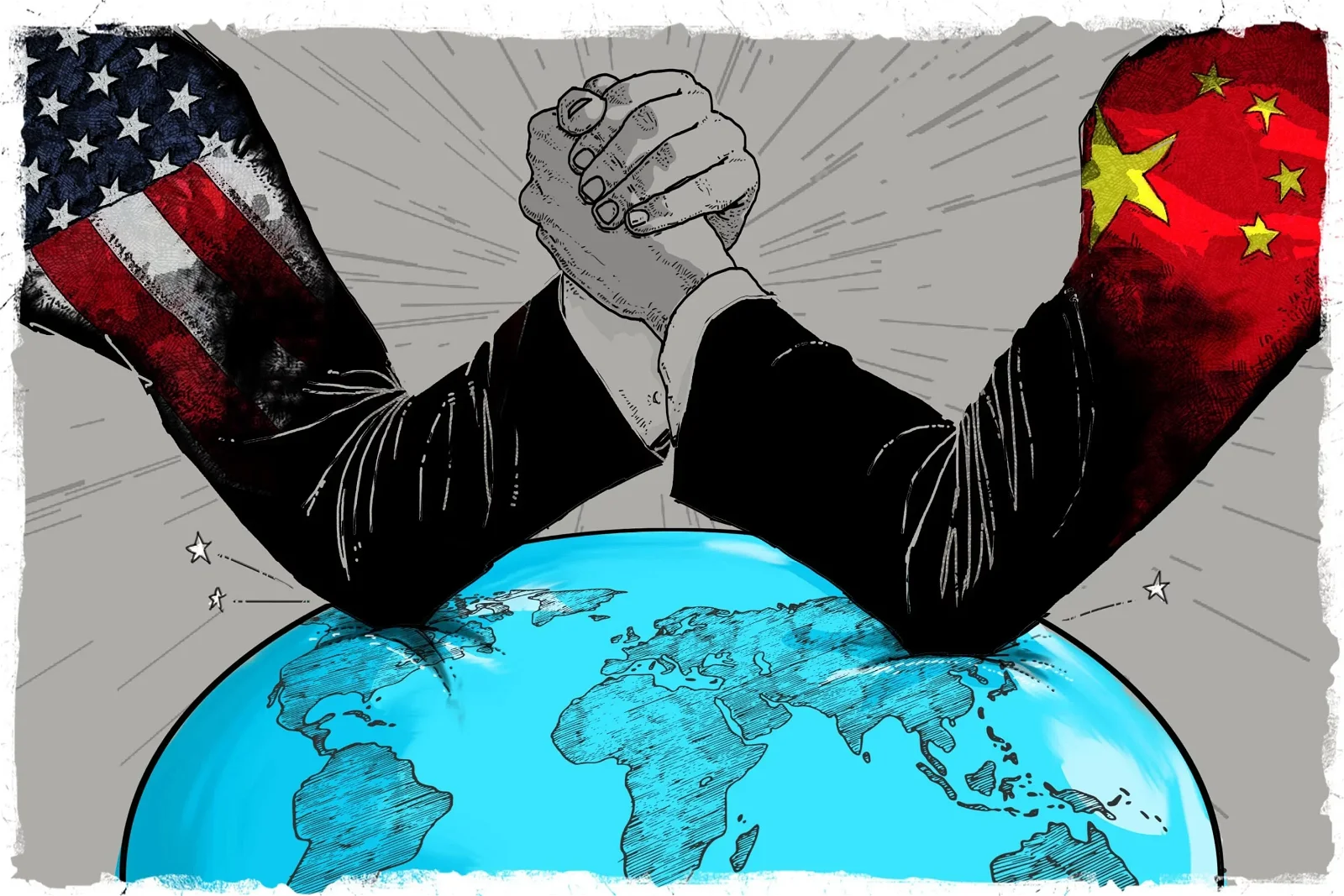
Geopolitical leverage operates on the intersection of symbolic concessions and material interests. When a state holds a foreign national—or a dual citizen—who is also a domestic political target, the release of that individual serves not as a moral correction but as a calibrated diplomatic signal. The current campaign to secure the exit of Pastor John Cao from China, following his post-incarceration restriction, illustrates the friction between sovereign internal security frameworks and international humanitarian pressure.
The Mechanics of Exit Restrictions
The detention and subsequent restriction of movement for individuals like Pastor Cao are rarely arbitrary. They are outcomes of a structured administrative process within the Chinese legal and security apparatus. Don't forget to check out our previous coverage on this related article.
- State Security Priority: Charges of "organizing illegal border crossings" function as a catch-all security designation. By framing missionary or humanitarian activities through the lens of border integrity, the state maintains a narrative of internal stability.
- Administrative Limbo: Post-incarceration, the state utilizes administrative measures to prevent departure. Passport retention is the primary mechanism of control. While the individual is technically "released," the denial of travel documents extends the custodial state through bureaucratic inertia.
- The Sovereignty Threshold: For the host government, granting an exit visa is not merely a consular transaction; it is a concession. It requires a decision to release a perceived ideological or security liability. Consequently, the release of an individual like Ezra Jin in July 2026 suggests that the calculus shifted during high-level diplomatic exchanges, likely traded against other regional or economic considerations.
The Humanitarian Calibration
Advocacy groups currently targeting a September 24, 2026, deadline for presidential intervention are operating within the "Goodwill Signal" framework. This strategy relies on the assumption that the Chinese leadership values the optics of a transactional relationship with the United States.
The strategy possesses specific operational variables: If you want more about the history of this, The New York Times provides an in-depth breakdown.
- The Signaling Cost: Raising the case of an imprisoned or restricted pastor during a summit allows the US administration to claim a domestic win regarding human rights while providing the Chinese state a low-cost method to project "goodwill" without altering foundational laws.
- The Precedent Effect: The successful extraction of Ezra Jin provides a template. If diplomatic pressure effectively secured Jin’s release, it creates an expectation of reciprocity. However, this creates a potential bottleneck: China may grow resistant to "miracle" releases if they feel the diplomatic cost of such concessions yields diminishing returns in broader negotiations.
- The Medical Variable: Pastor Cao’s stage four prostate cancer acts as a force multiplier for advocacy but introduces a time-sensitive risk. If the individual expires while under administrative restriction, the diplomatic cost to the Chinese government increases—not because of humanitarianism, but because of the reputational damage associated with state-facilitated neglect.
Strategic Limitations
The reliance on presidential-level intervention carries significant risks.
- Political Coupling: When individual humanitarian cases become entangled with top-tier summit agendas, they become vulnerable to the volatility of those larger negotiations. If the broader US-China agenda hits an impasse, these cases are frequently shelved as collateral.
- Administrative Inflexibility: Security agencies in China often operate with a degree of autonomy from the executive branch. Even if a leader signals a willingness to allow an exit, the logistical machinery—local police, exit-entry bureaus—may slow-roll the process to maintain localized control.
- The Scale of Persecution: As noted by recently released individuals, targeted lobbying for one high-profile case often obscures the broader, systemic detentions of non-prominent members of unregistered churches. The focus on individual "miracle" cases, while operationally sound for the subject involved, does not signify a shift in the state's internal policy toward religious autonomy.
Execution Path
To maximize the probability of return, the current advocacy model must shift from generic petitioning to a tripartite engagement strategy:
- Consular Formalization: Move beyond the "personal appeal" model. Formalizing the request through specific legal channels, citing international norms regarding medical necessity and the right to family reunification, provides the receiving government with a legal "off-ramp" that doesn't look like a purely political surrender.
- Back-Channel Quiet Diplomacy: Public petitions provide the energy, but successful releases in high-tension environments are almost exclusively brokered through quiet channels. Presidential summits are the venue for the final signing, but the structural work occurs in the months preceding the event, away from public scrutiny.
- Separation of Interests: Distinguish the humanitarian case from broader ideological debates. By characterizing the release as an administrative humanitarian corrective, you provide the Chinese government with the ability to grant the request without acknowledging a policy change regarding the underlying "illegal border crossing" charges.
The objective is to move the subject from a "security liability" category to an "administrative anomaly" that is more expensive to maintain than to resolve. If the cost of keeping the individual in-country exceeds the value of the signal of defiance, the administrative barrier will be removed.
Chinese Pastor's Plea for Imprisoned Colleagues
This video provides critical context regarding the plight of religious detainees and the ongoing challenges faced by underground church leaders in China, serving as a primary source for the humanitarian concerns discussed above.