Accusations in modern warfare carry almost as much weight as the weapons themselves. When the Saudi-led coalition announced it had intercepted an explosive-laden drone targeting the holy city of Mecca, the response from Yemen's Houthi movement was swift and absolute. They didn't just disagree with the report. They labeled it an outright fabrication, dismissing Riyadh's claims as political theater designed to rally international sympathy.
If you've been following the fractured geopolitics of the Arabian Peninsula, this war of words feels painfully familiar. But the stakes here go far beyond standard wartime propaganda. Dragging Islam's holiest site into the crosshairs changes the entire narrative of the conflict.
The Anatomy of a Disputed Attack
The incident in question unfolded when the Saudi-led coalition reported intercepting aerial threats near the Mecca region. Coalition spokespersons quickly condemned the move, framing it as a flagrant violation of international law and an explicit assault on civilian and religious sanctity.
Houthi military spokesperson Yahya Sarea hit back hard. In official statements, he maintained that the group's operations are strictly focused on strategic military targets and critical infrastructure—such as oil facilities and air bases—rather than religious shrines. According to the Houthi leadership, accusing them of striking Mecca is a deliberate strategy to shift global attention away from coalition airstrikes hitting civilian areas inside Yemen.
This disconnect highlights a brutal reality of the ongoing crisis. Both sides weaponize optics. For Riyadh, highlighting threats to Mecca mobilizes regional condemnation and religious solidarity across the Muslim world. For the Houthis, denying the charge protects their domestic support base from alienating Muslims who might otherwise view their campaign as crossing sacred red lines.
Beyond the Rhetoric: What is Actually Getting Hit?
Strip away the conflicting press releases, and you'll find a very active theater of kinetic operations. While the debate over Mecca dominates diplomatic channels, the actual targets being struck on the ground tell a different story about military strategy.
The Houthis have consistently claimed credit for drone and missile runs targeting vital economic hubs. Energy infrastructure remains a primary focal point. Facilities in cities like Yanbu and Khamis Mushait have repeatedly faced incoming strikes, sending shockwaves through global energy markets.
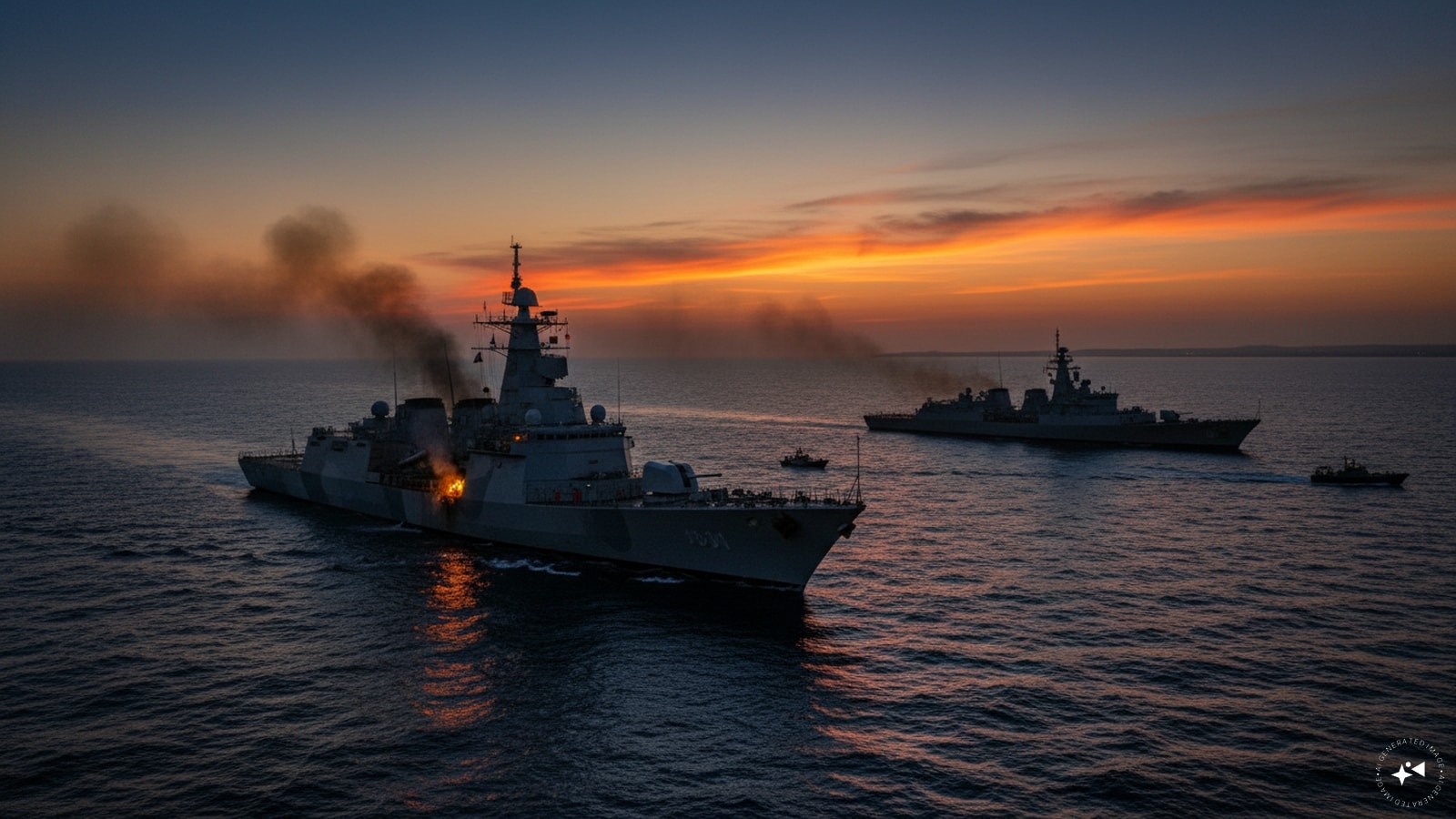
At the same time, commercial shipping lanes through the strategic Bab el-Mandeb Strait face persistent disruptions. This narrow maritime corridor connects the Red Sea to the Gulf of Aden, handling a massive chunk of international trade. When regional tensions spike over disputed drone interceptions, insurance rates for cargo ships skyrocket, and global supply chains feel the pinch within hours.
Why This Information War Matters for Regional Security
Propaganda is never just noise. It shapes policy. Every time a disputed claim about Mecca hits the newswires, diplomatic off-ramps shrink.
Regional heavyweights and international bodies find themselves stuck in the middle, trying to verify facts on the ground where independent verification is nearly impossible. When accusations touch on religious sensitivities, compromise becomes politically toxic for leaders on both sides.
The renewed cross-border hostilities underscore how fragile the situation remains. Even during periods of formal truce or diplomatic cooling, the baseline level of mistrust is high enough that a single disputed radar blip can reignite an escalation cycle.
Until independent monitors can secure unfettered access to investigate these incidents, these conflicting narratives will continue to dictate the rhythm of the war. Mecca remains a powerful symbol in a conflict driven by hard power, oil, and regional dominance. As long as the war persists, the truth will remain one of its earliest casualties.