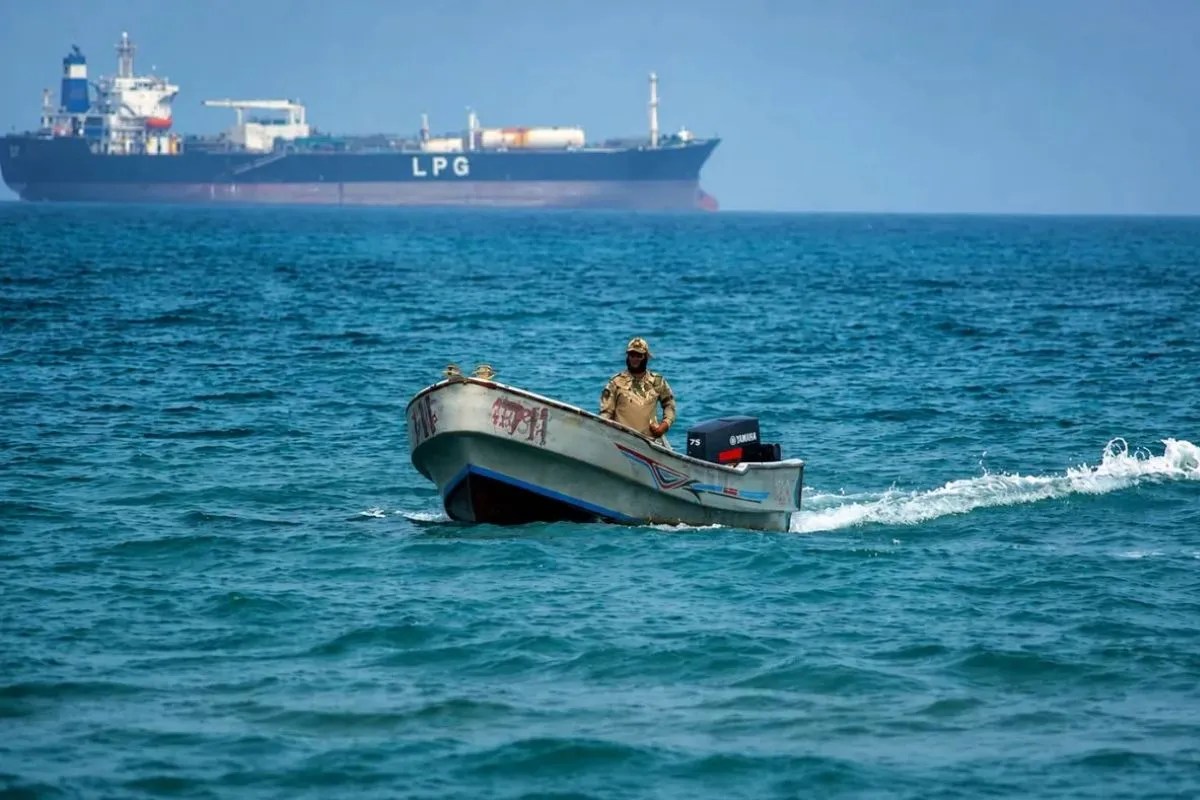
Energy security is fragile. Most people forget this until crude prices spike overnight. When Houthi militants targeted Saudi oil plants along the Red Sea coast, they didn't just strike physical metal and pipelines. They exposed a massive vulnerability in global supply chains that nobody wants to talk about.
Let's cut through the noise. You've probably seen brief news flashes about drone strikes and missile attacks in the Middle East. They blend into the background. But when commercial shipping lanes and critical energy hubs face direct targeting, the stakes change instantly.
The Reality of Red Sea Vulnerabilities
The Red Sea coast is a choke point. Millions of barrels of oil move through these waters daily. Saudi Aramco facilities positioned near this maritime corridor aren't just local assets. They are central pillars of global economic stability.
When regional groups launch explosive-laden drones or anti-ship missiles at coastal export terminals, supply panic follows immediately.
Why does this matter to you? Because markets hate uncertainty. A single successful hit on a major processing plant or storage tank ripples through international shipping insurance rates, freight costs, and ultimately, the price you pay at the pump.
Most analysts treat these incidents as isolated military skirmishes. That is a mistake. These strikes represent a shift in modern asymmetric warfare. You don't need a massive navy to disrupt global energy flows anymore. Cheap commercial drones and modified missiles change the math entirely.
How Energy Giants Defend the Indefensible
Protecting thousands of miles of coastline is nearly impossible. Saudi Arabia spends billions on advanced defense systems like Patriot batteries and counter-UAS technology. Yet, absolute security does not exist.
Drones fly low. They hug the coastline. They exploit radar blind spots.
When militants target dual-use infrastructure—facilities that support both domestic energy needs and international export—defense forces face an impossible balancing act. Interceptors are expensive. A cheap drone costs a fraction of the missile used to shoot it down. That economic mismatch favors the attacker over the long haul.
I've watched energy markets react to these disruptions for years. Traders used to shrug off minor Middle Eastern flare-ups. Not anymore. The frequency of Red Sea incidents forces risk managers to price permanent instability into long-term contracts.
The Ripple Effect on Global Shipping
Energy security isn't just about production wells. It is about logistics.
If Red Sea ports face persistent threats, tankers must reroute. Rerouting means longer transit times. Longer transit times burn more fuel, tie up capital, and reduce the active supply of available tankers.
- Insurance Premiums: Marine underwriters jack up rates for any vessel transiting high-risk zones.
- Supply Delays: Alternative routes around the Cape of Good Hope add weeks to delivery schedules.
- Price Volatility: Spot prices react violently to rumors of facility damage, even before damage assessments are confirmed.
Moving Beyond Reaction Mode
Governments and energy conglomerates talk a lot about resilience. They preach diversification. They build redundancy into pipelines. But the physical reality of geography remains stubborn. The Red Sea is narrow. The infrastructure is fixed.
If you want to understand where energy markets are heading, stop looking at supply and demand spreadsheets alone. Look at the defense budgets of Gulf nations and the technological arms race against low-cost aerial threats.
The next time crude prices jump without an obvious economic cause, remember the coastline. Remember the drones. Energy security is a fragile illusion, and the margins keeping the global economy running are much thinner than anyone admits.
Secure your own supply chains, hedge your exposure, and stop assuming cheap oil and uninterrupted shipping routes are permanent features of the modern world.


/i.s3.glbimg.com/v1/AUTH_1f551ea7087a47f39ead75f64041559a/internal_photos/bs/2025/P/p/LLF10DRp2WoUISXryrUQ/whatsapp-image-2025-12-02-at-20.06.57.jpeg)