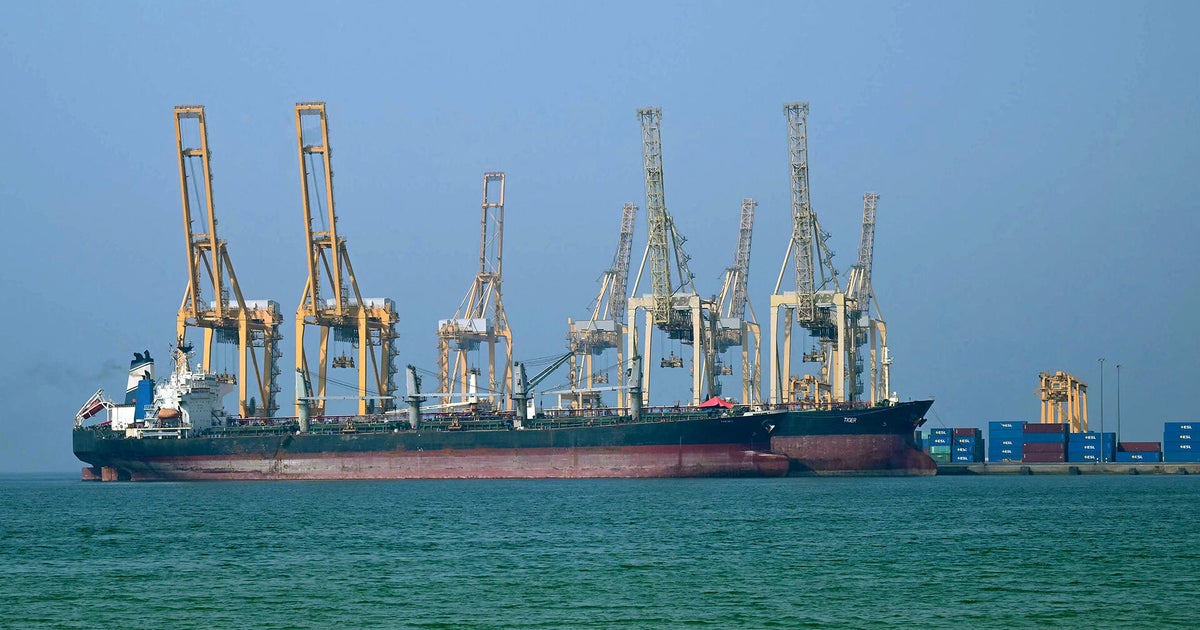
Geopolitical stability is a commodity India cannot afford to buy, yet New Delhi continues to act as if a few diplomatic statements and a handful of escorted LPG tankers constitute a victory. The recent "safe arrival" of four vessels is being hailed as a triumph of maritime diplomacy. It isn't. It is a temporary reprieve in a structural crisis that most analysts are too polite to acknowledge.
The Strait of Hormuz is not a "choke point" that can be managed through consensus. It is a permanent geopolitical hostage situation. While the Ministry of External Affairs calls for "safe and free navigation," they are shouting into a vacuum. The reality of the energy corridor has nothing to do with international law and everything to do with the fact that India is structurally over-leveraged to a geography that thrives on volatility.
The Myth of the Escort Victory
Four tankers arrived. Great. But let’s look at the math that the "lazy consensus" ignores. India imports roughly 80% of its crude oil and a massive chunk of its LPG. A significant portion of that volume must pass through a 21-mile-wide stretch of water controlled by actors who view "maritime law" as a suggestion rather than a mandate.
When a nation celebrates the arrival of four ships, it admits that the system is broken. In a functioning global market, the arrival of a tanker should be as noteworthy as a mail delivery. The moment you need naval protection or high-level diplomatic "assurances" to get your cooking gas, you have already lost the security argument.
I have watched energy desks scramble when insurance premiums for these routes spike by 400% in a single afternoon. You cannot "stabilize" a route where the primary players benefit from the threat of closure. For Iran, the ability to threaten the Strait is their only real leverage against global sanctions. For the GCC, the vulnerability of the Strait is the primary reason they can demand security guarantees from the West.
India is playing a gentleman’s game in a knife fight.
The Fallacy of Neutrality as a Shield
The prevailing wisdom suggests India’s "strategic autonomy" allows it to navigate these waters by maintaining ties with both Tehran and Washington. This is a fairy tale.
In a kinetic conflict, neutrality is just another word for "unprotected." If the Strait is mined or a drone strike hits a VLCC (Very Large Crude Carrier), the hull doesn't care about your non-aligned voting record at the UN. The physical reality of the Strait of Hormuz—the depth of the shipping lanes and the proximity to coastal missile batteries—means that "safe passage" is an illusion maintained only by the grace of the most aggressive actor in the room.
The Hidden Cost of "Safe" Navigation
- The Insurance Trap: Even when guns aren't firing, the "war risk" surcharges stay baked into the freight rates. Indian consumers pay for this at the pump and in their utility bills, regardless of whether a tanker was actually harassed.
- The Strategic Petroleum Reserve (SPR) Delusion: India’s SPR capacity is roughly 9.5 days of net imports. Compare that to the IEA mandate of 90 days. We are operating on a "just-in-time" energy model in the most "not-in-time" region on earth.
- The Escort Drain: Deploying stealth destroyers like the INS Chennai or INS Teg to the Gulf of Oman is an expensive, resource-heavy band-aid. It pulls blue-water assets away from the Indian Ocean Region (IOR) where China is actively building a permanent presence.
Stop Asking for Safety; Start Building Redundancy
The question shouldn't be "How do we make the Strait of Hormuz safe?" The question is "How do we make the Strait of Hormuz irrelevant?"
The "People Also Ask" sections of the internet are filled with queries about whether the Indian Navy can protect every ship. The answer is a brutal "No." No navy on earth can provide a 1:1 escort for the volume of traffic required to keep the Indian economy humming.
Instead of diplomatic platitudes, the focus needs to shift to aggressive diversification that bypasses the Gulf entirely.
The Infrastructure Overhaul
We need to stop viewing the International North-South Transport Corridor (INSTC) as a "trade project" and start seeing it as a survival mechanism. But even that has its flaws. The real move is a massive acceleration of the India-Middle East-Europe Economic Corridor (IMEC), provided it can be decoupled from the immediate volatility of the Levant.
Furthermore, the obsession with LPG tankers masks a deeper failure: the slow pace of our domestic pipeline infrastructure and the stagnation of deep-sea mining exploration in the Bay of Bengal. We are addicted to the West Asian supply line because it’s cheap and familiar, not because it’s secure.
The Hard Truth About Maritime Law
International law—specifically UNCLOS—is cited by the Indian government as the bedrock of their demand for free navigation. This is legally sound and strategically worthless.
UNCLOS has no enforcement mechanism in the Strait that doesn't involve a carrier strike group. When the IRGC seizes a vessel, they aren't looking at a law book; they are looking at the geopolitical chessboard. By relying on the "sanctity of international waters," India is outsourcing its national security to a legal framework that the world’s superpowers ignore whenever it suits them.
The downside to my perspective? It’s expensive. Decoupling from the Hormuz dependency requires trillions in capital expenditure, shifted trade routes, and a radical move toward nuclear and renewable baseloads that the current fiscal framework isn't ready for. But the alternative is continuing to pray that the most volatile 21 miles of water in the world remains calm.
The Actionable Pivot
If I were sitting in the boardrooms of the major oil marketing companies (OMCs), I would be screaming for three things:
- Long-term contracts from the Atlantic Basin and West Africa: Even at a premium, the lack of a "choke point" risk makes this cheaper in the long run.
- Total Digitalization of the Supply Chain: Real-time rerouting of cargo isn't a luxury; it’s a necessity. We need the ability to flip a switch and divert shipments to the East Coast ports the moment a sensor in the Gulf detects a spike in electronic warfare activity.
- End the "Escort" PR: Stop telling the public that the Navy has the situation handled. Start telling the truth: we are vulnerable, and the only way out is a decade of painful energy transition.
The arrival of four tankers is a lucky break, not a strategy. Reliance on the Strait of Hormuz is a ticking clock, and New Delhi just spent its time checking the batteries instead of defusing the bomb.
Stop celebrating the arrival of the mail. Start building a house that doesn't depend on the delivery man surviving a gauntlet.
Build the pipelines. Buy the long-haul tankers. Abandon the illusion of a "safe" Hormuz. There is no such thing.