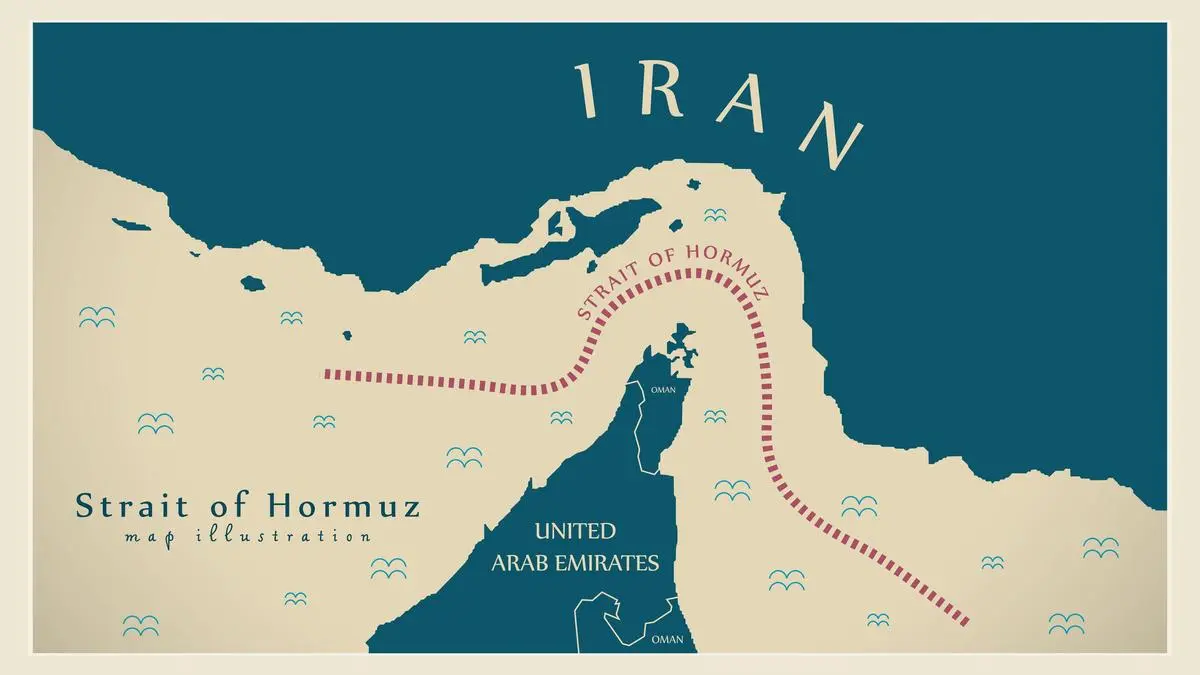
The headlines are screaming again. Tanker rates are spiking, insurance premiums are bloated, and every "geopolitical analyst" on television is dusting off the same tired map of the Strait of Hormuz. They want you to believe we are one expired ceasefire away from a global energy apocalypse. They want you to visualize a rusted Iranian navy sinking a few VLCCs (Very Large Crude Carriers) and plunging the world into a permanent dark age.
It is a fantasy. A convenient, profitable, and entirely hollow threat.
The consensus view—that Iran holds the world’s jugular and is itching to squeeze—ignores the basic physics of modern warfare and the cold math of Tehran's survival. Closing the Strait isn't a strategic move; it is a suicide pact that Iran has no intention of signing. While the media obsesses over a "choke point," they are missing the actual shift in power: the Strait of Hormuz is becoming irrelevant, and Iran knows it.
The Geography of Obsolescence
Every lazy take on Hormuz starts with the same stat: 20% of the world's petroleum liquids pass through this 21-mile-wide gap.
That number is a ghost. It represents a world that existed ten years ago.
Look at the infrastructure. Saudi Arabia’s East-West Pipeline can move five million barrels per day (mb/d) to the Red Sea, bypassing Hormuz entirely. The UAE’s Habshan-Fujairah pipeline carries another 1.5 mb/d directly to the Gulf of Oman. We are seeing a massive, multi-billion-dollar architectural bypass surgery of the Persian Gulf.
When you account for the rise of American shale and the surge in Brazilian and Guyanese production, the "global" reliance on this specific strip of water has been diluted. If Iran closes the Strait, they aren't holding the world hostage; they are merely inconveniencing their own best customers—China and India.
The Myth of the "Easy" Blockade
There is a pervasive military misconception that you can just "close" a body of water with a few mines and some speedboats.
I’ve spent enough time around naval logistics to tell you that water is incredibly hard to hold. To truly shut down the Strait, you don't just need to sink one ship; you need to maintain "sea denial." That requires a continuous, multi-domain presence against the most sophisticated anti-submarine and mine-sweeping capabilities on the planet.
The US Navy’s 5th Fleet isn't just sitting in Bahrain for the weather. Between the Mark VI patrol boats, the MH-53E Sea Dragon helicopters, and the undersea drones currently patrolling the floor of the Gulf, the technical reality is that any minefield Iran lays would be mapped and neutralized faster than the oil markets could even react.
Furthermore, Iran’s "swarm" tactics—using hundreds of fast-attack craft—work great in a simulation where the opponent doesn't shoot back. In a real-world engagement, those boats are target practice for APKWS (Advanced Precision Kill Weapon System) rockets and 30mm cannons. Iran’s military leadership is many things, but they aren't stupid. They know their navy is a "fleet in being"—it is only useful as long as it stays in port and looks scary. The moment they use it, they lose it.
The Economic Suicide Note
Why would Iran destroy the only thing keeping its economy on life support?
The "closing the Strait" rhetoric assumes Iran is a rational actor that somehow doesn't need money. Nearly all of Iran’s sanctioned oil exports leave via the Persian Gulf. If they block the Strait, they block themselves. They effectively impose a 100% total embargo on their own primary source of hard currency.
China, Iran's biggest buyer, is not going to applaud a move that sends global Brent prices to $200 and crashes the Chinese manufacturing sector. If Tehran shuts the door, they aren't just fighting the Great Satan; they are spitting in the face of their only remaining superpower ally.
The Real Threat is Not the Strait
While the pundits stare at the water, they are ignoring the sky.
If Iran wanted to disrupt global energy, they wouldn't waste time with a maritime blockade. They would do what they did in 2019 at Abqaiq and Khurais: drone and cruise missile strikes on fixed processing infrastructure.
It is much easier to break a refinery than it is to hold a sea lane. A missile strike on a desalination plant or a stabilization facility causes a vertical spike in risk without the messy, prolonged logistical nightmare of a naval blockade. This is the "grey zone" warfare where Iran actually excels. The talk about the Strait is a classic feint—a loud, visible distraction designed to keep Western assets focused on the water while the real vulnerabilities remain on land.
Why the Media Won't Let the Narrative Die
Fear sells barrels.
Oil traders love the Hormuz narrative because "geopolitical risk" is a great excuse to pump volatility into a stagnant market. Defense contractors love it because it justifies the massive carrier groups patrolling the region. The Iranian regime loves it because it gives them a "superweapon" they don't actually have to build or fire.
It is a symbiotic ecosystem of alarmism.
The Hard Truth for Investors
Stop trading the "Hormuz Closure."
It is a tail risk with a probability approaching zero. If you want to understand the actual threat to energy security, look at the cyber-resilience of the pipelines bypassing the Strait. Look at the aging infrastructure in the Permian Basin. Look at the political instability in Libya or Nigeria.
The Strait of Hormuz is the world’s most successful psychological operation. It is a bogeyman that has outlived its tactical relevance. Iran knows that the second a single mine is dropped, the regime’s clock starts ticking toward zero. They aren't looking for a final showdown; they are looking for leverage. And you can't have leverage if you've already fired your only shot.
The Strait stays open because Iran is desperate to stay alive. Everything else is just noise.
Sell the panic. The ships aren't stopping.