One resignation doesn't bring back 168 people. Yet when Hong Kong's housing chief Winnie Ho stepped down in late October 2026, she forced a reckoning that's been brewing in high-rise cities everywhere.
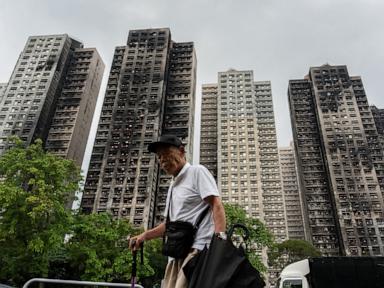
The inquiry into the November 2025 Wang Fuk Court blaze in Tai Po didn't just point at bad actors. It pointed at a system that took contractors at their word. Chief Executive John Lee bowed with senior officials and apologized to the public, promising overhauls tied to 120 recommendations. For residents who lost family or watched their homes burn across seven residential blocks under renovation, a bow feels small against grief that won't fade anytime soon. Recently making headlines in related news: The Long Shadow at the Ballot Box and the Quiet War Over What Comes Next.
What the Wang Fuk Court Inquiry Actually Found
Too many coverage summaries treat this story like a simple case of a minister falling on her sword. That misses the ugly mechanics underneath.
According to findings reported around the inquiry's release, private contractors and consultants deceived regulators, and regulators' own habits let that deception stick. When agencies rely heavily on the good faith of regulated parties, obvious fire hazards slip right past inspections. Think about how easy it is to sign off on paperwork when everyone assumes compliance is the baseline. In dense vertical housing, assuming good faith is a gamble with other people's lives. More information into this topic are covered by NBC News.
Authorities also alleged collusion and fraud tied to the renovation contract—worth more than HK$300 million (over US$38 million)—including concealing prior litigation records of the firm that won the work. Four government agencies were drawn into the scrutiny over systemic gaps, and criminal charges were brought against multiple individuals and companies over the disaster.
Why Good Faith Fails During Major Renovations
Renovation projects in occupied high-rises are a different beast than routine maintenance. Scaffolding goes up, materials stack up, contractors rotate, and daily life continues inches away from active work zones.
When oversight leans on trust rather than verification, red flags get rationalized away. A missing check here, an unverified record there—none of it looks dramatic on a Tuesday afternoon. Until smoke hits a stairwell. And honestly, when a contract tops HK$300 million, financial incentives to cut corners or hide baggage are huge.
Political Responsibility Versus Criminal Justice
Here's where public frustration gets sharp. John Lee stated that Winnie Ho stepped down to bear political responsibility even though no personal wrongdoing was found against her, noting her resignation took effect on Wednesday ahead of the Thursday press conference. Ho had more than three decades of public service behind her.
From a governance standpoint, political accountability matters. Someone at the top has to own institutional blind spots when four agencies face questions about oversight. Still, residents and bereaved relatives made it clear that a voluntary exit isn't the finish line. With criminal proceedings still unfolding and victims dealing with displacement and loss, accountability on paper doesn't automatically equal justice in court.
The Gap Between Apologies and Everyday Safety
Press conferences have a predictable rhythm. Leaders express sorrow, bow, promise reforms, and pledge it won't happen again. Displaced residents voiced anger that the briefing leaned too heavily into future promises while leaving immediate pain and unresolved legal steps front and center.
I've watched enough post-disaster reviews around the world to know the hard part isn't writing 120 recommendations. The hard part is year two and year three, when headlines move on and inspectors still have to do unglamorous, adversarial checks on busy sites.
Lessons for High-Rise Owners and Committees
If you live in a multi-story building—or sit on an owners' committee or management board—you can't treat renovation oversight as purely the government's job. Regulators set rules and inspect within their bandwidth, yet residents bear the daily risk if a project goes sideways.
- Verify contractor track records independently: Don't rely solely on glossy proposals or what a bidder claims about past work. Check public litigation history, regulatory actions, and corporate filings before locking in big contracts.
- Watch for bid-rigging and weird bidding patterns: High-value maintenance and renovation tenders attract aggressive lobbying and backroom coordination. Demand transparent scoring and clear conflict-of-interest disclosures.
- Audit fire safety during active works, not just at completion: Ask straight questions about site hazards, blocked exits, combustible materials, and who actually checks compliance week to week.
- Push for independent resident support: Authorities announced plans for a new body to better support residents in building maintenance projects. Whenever independent advisory or legal support exists, use it early rather than waiting for a dispute or crisis.
Some details around the criminal trials and long-term implementation of the 120 reforms are still playing out, and every building's governance setup looks a bit different. Even so, the core lesson from Wang Fuk Court is plain enough: trust is cheap, verification takes work, and shortcuts in high-rise safety cost far too much. Start your next building committee meeting by asking how contractor claims are independently verified before a single dollar is approved.
Hong Kong's Tai Po fire: Chief Exec John Lee apologises, announces housing secretary resignation provides direct video coverage of Chief Executive John Lee's apology and announcement of Winnie Ho's resignation following the deadly Tai Po blaze.