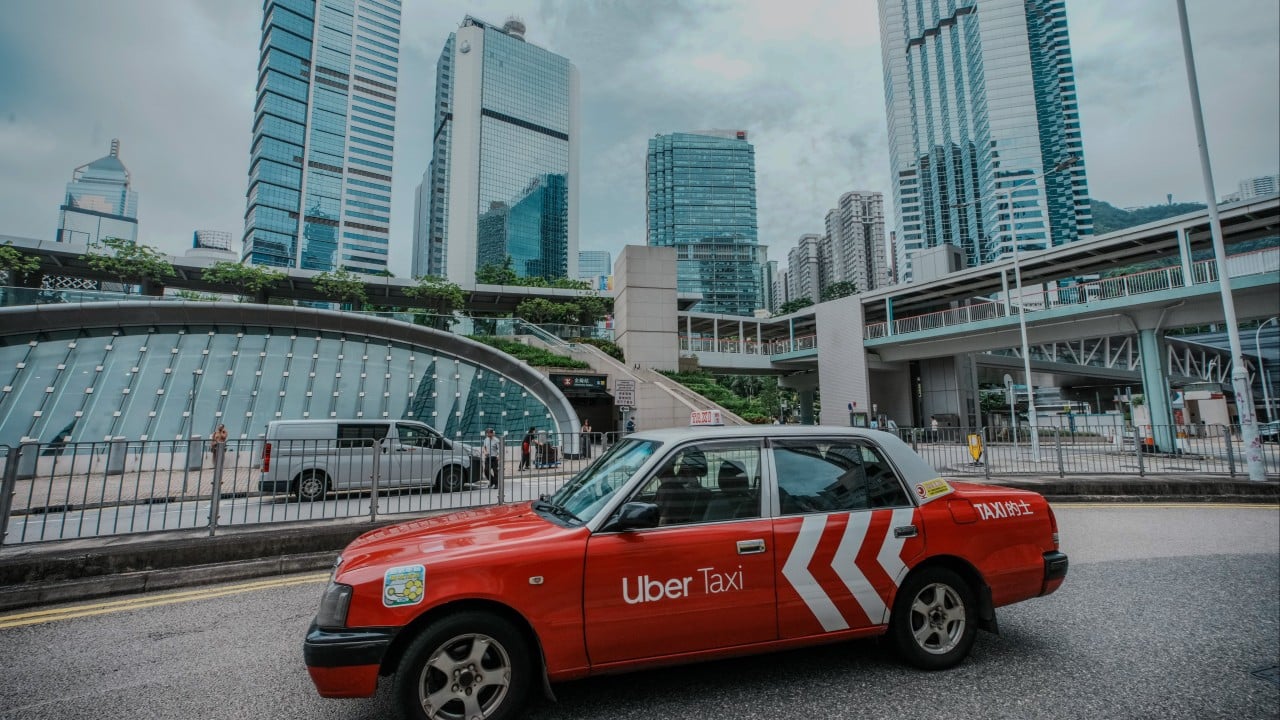
Hong Kong's transport sector is a mess. You stand on a street corner in Causeway Bay during a downpour, waving your arm until your shoulder aches, while hundreds of empty cabs cruise past with their "For Hire" signs dark. Drivers ignore your destination because it is across the harbor, or they demand cash instead of accepting digital payments. It is frustrating. It is archaic. And the government finally realizes it can no longer protect a broken monopoly.
Recent signals from transport officials show that multiple ride-hailing firms are actively expressing interest in obtaining official Hong Kong licences. This is not just corporate maneuvering. It is a sign that the city's stubborn resistance to modern transportation is cracking under public pressure. In similar updates, take a look at: The Brutal Cost of China's Speed Addiction in the Electric Vehicle Market.
Let us look at why this matters right now. Hong Kong has dragged its feet on ride-hailing for years, trapped between powerful taxi syndicates and sluggish bureaucratic oversight. When companies like Uber operate in a legal gray area for a decade, passengers take the hit. You deal with unpredictable availability, uncertain insurance coverage, and constant political tension between traditional cabbies and platform drivers. Transport and Housing Bureau officials are now outlining a regulatory framework to introduce personalized point-to-point transport service licences. This means the wild west era might actually be coming to an end, replaced by a structured system where apps can operate legally, pay proper fees, and hold legitimate insurance.
If you are a commuter, you might wonder what these impending licences mean for your daily routine. Will fares skyrocket? Will cars actually show up when you need them during peak hours? The Wall Street Journal has analyzed this important topic in great detail.
The short answer is that formal regulation brings accountability. Right now, unlicensed ride-hailing operates under a cloud of enforcement risks. Drivers get stung with hefty fines or have their vehicles impounded if police run sting operations. That artificial scarcity keeps prices high and driver pools smaller than they should be. When authorities hand out legal licences to qualified platforms, the market opens up. Established players and new regional entrants can scale their fleets without forcing drivers to look over their shoulders.
The Economics of Hong Kong Licences
You cannot understand this shift without looking at the absurd cost of traditional taxi licences. For decades, a Hong Kong urban taxi licence traded like a blue-chip luxury asset, fetching millions of Hong Kong dollars. Investors bought them not to drive, but to rent them out to weary drivers who worked twelve-hour shifts just to cover the daily vehicle rental fee and fuel.
That model is broken. When licence plates cost a fortune, drivers have zero incentive to invest in clean electric vehicles, polite customer service, or modern app integration. They are simply trying to break even.
By introducing a separate category for ride-hailing service operators, the government is creating a parallel track. These new licences will likely tie operators to specific service standards. We are talking about mandatory driver background checks, strict vehicle age limits, and transparent rating systems. Passengers want safety, but they also want basic decency like working air conditioning and the option to pay with Octopus or Apple Pay without getting yelled at.
What the Competitors Missed
Most mainstream coverage of this policy shift focuses purely on the corporate chess match. Reporters write about which foreign tech giants are lobbying officials or how many millions they plan to invest. They miss the ground-level reality for everyday drivers.
I have spoken with local drivers who bounce between traditional rental cabs and ride-hailing apps. They do not care about corporate boardrooms. They care about daily take-home pay and not getting trapped in traffic jams caused by outdated urban planning.
When a minister announces interest from multiple firms, it tells you that the addressable market in Hong Kong is massive. Density is our superpower here. Millions of people live stacked on top of each other, moving along tight corridors every single day. The demand for point-to-point transport is infinite. Traditional taxis capture only a fraction of that because they refuse to modernize. Ride-hailing platforms fill the gaps where the MTR cannot reach or where walking in July humidity feels like a health hazard.
Anticipating the Pushback
Change in Hong Kong does not happen quietly. Traditional taxi trade associations are already sharpening their pitchforks. They argue that legalizing ride-hailing destroys the value of their multimillion-dollar licences and creates unfair competition.
They are right about the asset devaluation, but wrong about the public interest. No government should protect an inflated asset class at the expense of a world-class city's mobility infrastructure. London, Singapore, and New York all figured out how to let black cabs and apps coexist. Hong Kong is simply late to the party.
Expect fierce negotiations over fleet sizes. Officials will likely cap the total number of permits issued to prevent the streets from choking with even more vehicles. That is a fair compromise. The goal is not to flood every narrow lane in Central with cars, but to ensure that the cars on the road are safe, reliable, and legally accountable.
Practical Steps for Commuters and Drivers
If you rely on transport in the city, or if you earn your living behind the wheel, here is how to position yourself as these regulatory changes roll out over the coming months.
- Watch for pilot programs. The Transport Department will likely roll out trial quotas or restricted permits before a wide-scale launch. Pay attention to which platforms secure early approval.
- Demand digital transparency. When booking rides, check whether the platform uses licensed vehicles to ensure your trip is fully covered by commercial passenger insurance.
- If you are a driver looking to switch, keep your documentation updated. Clean driving records and professional driver certificates will be your ticket onto the newly legalized platforms as they expand their permitted driver pools.
- Support options that offer fair compensation. The race to the bottom on fares hurts drivers and leads to tired operators on the road. Sustainable pricing means safer rides for everyone.
The writing is on the wall. Hong Kong is dragging its transport network into the twenty-first century, and official ride-hailing licences are the vehicle to get us there.