Building safety scandals usually break with a bang, but Hong Kong's recent elevator crisis unfolded with a quiet, terrifying oversight. When the Electrical and Mechanical Services Department (EMSD) started looking into modernization projects across local housing estates, they found something alarming. Elevators installed by Taizoom Elevator Company were missing critical fire-resistant door frame components.
Let that sink in. We rely on elevators as vertical transit every single day, assuming that basic life-safety infrastructure is non-negotiable. Yet, hundreds of buildings tied to Taizoom wound up with fire doors that lacked the structural frames needed to actually contain a blaze.
The fallout exposed deep cracks in how contractors self-certify compliance. It also forced the city to ask a very uncomfortable question: how did this slip past the net for so long?
The Anatomy of the Taizoom Oversight
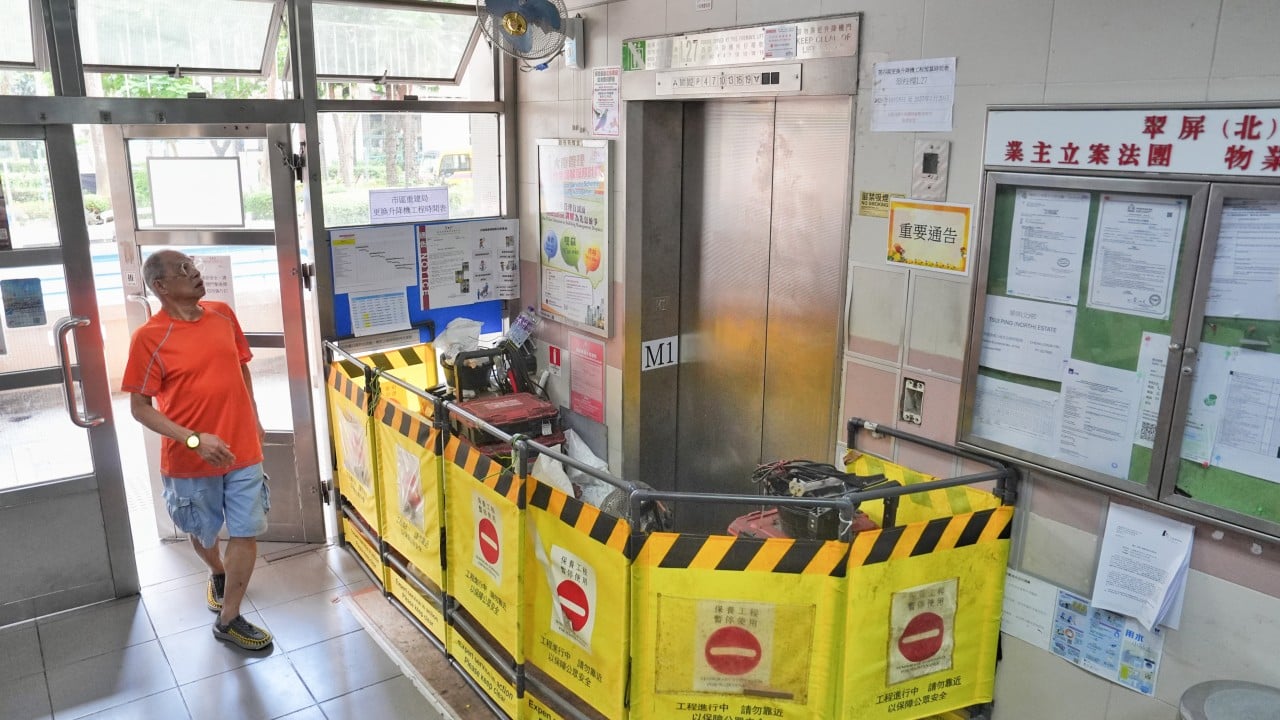
The controversy erupted when inspections at estates like Tsui Ping North and Pok Hong revealed that Taizoom had completed major lift replacement works while skipping crucial fire-resisting framework. Even though safety certificates were submitted and signed off, the physical reality on the ground told a different story. The company installed the outer landing doors, but left out the vital frame parts required to achieve the mandated fire rating.
When authorities expanded their sweep across the city, the scale widened drastically. Government checks eventually confirmed that missing lift fire door frames were strictly confined to Taizoom projects, spanning hundreds of affected buildings. Investigators quickly referred the case to the police, exploring potential criminal offenses involving false statements and fraud.
You don't just miss a fire door frame by accident. These components are heavy, expensive, and explicitly mandated by building codes to prevent flames and toxic smoke from rushing up elevator shafts during a fire. Skipping them saves money and installation time, but it converts an escape route into a chimney.
Why Self-Regulation is Failing Modern Infrastructure
This mess highlights a massive loophole in urban engineering management. Property owners and management committees often rely heavily on contractor declarations. If a company checks its own homework, there's an inherent temptation to cut corners to hit profit margins.
Industry watchdogs and safety practitioners in Hong Kong didn't hold back their criticism after the news broke. Many pointed out that relying on contractor photos or internal sign-offs is basically asking the fox to guard the henhouse. Independent third-party audits aren't just a nice-to-have option; they're essential when public safety hangs in the balance.
When you scale this across massive public housing and Tenants Purchase Scheme estates, the risk multiplies. Thousands of residents use these lifts daily, trusting that the steel enclosing them will protect them if disaster strikes. Discovering that nearly 90% of a specific vendor's installations skipped critical safety parts shatters that trust overnight.
Fixing the System Before the Next Crisis
Authorities have since ordered Taizoom to rectify the thousands of non-compliant lifts at its own expense, while housing bodies have stepped in to freeze pending contracts with the firm. But a retroactive fix doesn't solve the structural vulnerability in the approval pipeline.
Going forward, property managers need to demand physical, unannounced spot-checks by independent engineers. Relying on paper documentation is a relic of a slower era. If the Hong Kong lift scandal teaches us anything, it's that verifying physical safety components requires zero trust and total transparency. Stop assuming the paperwork matches the steel in the wall. Check it yourself.