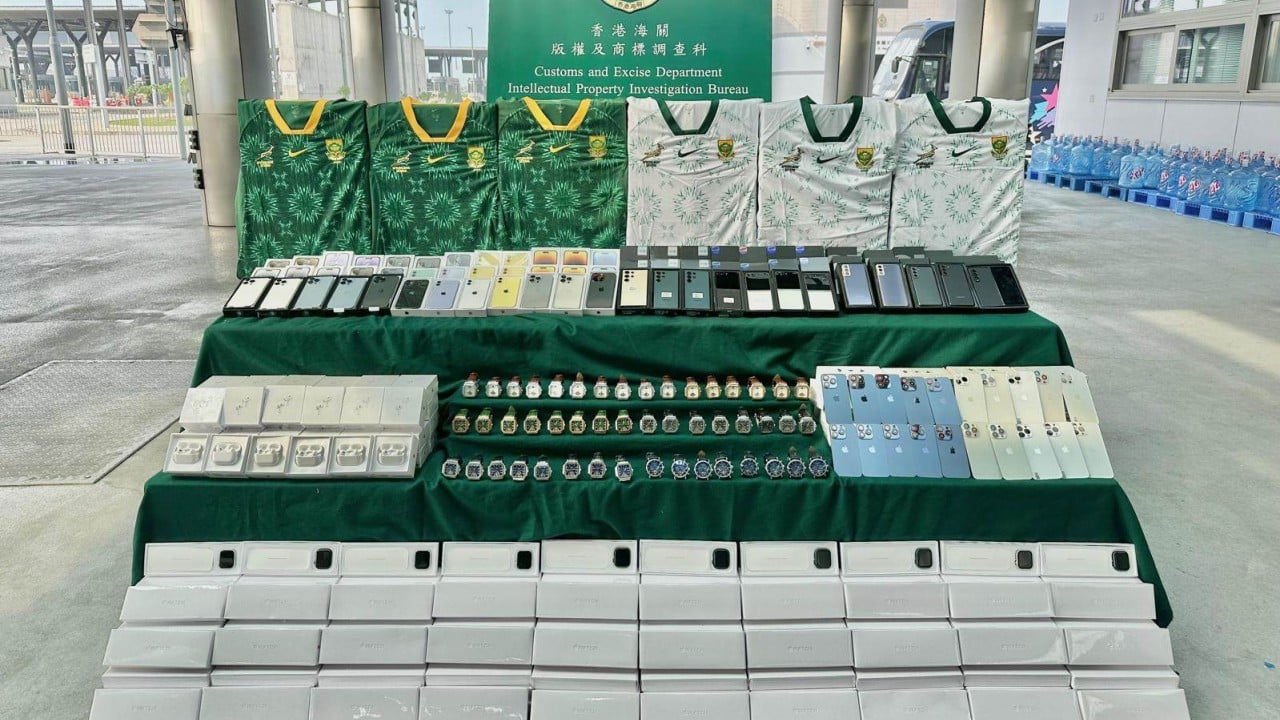
Customs officers just pulled off a massive cross-border sting that should make every online shopper think twice before clicking "buy." We aren't talking about a few knock-off handbags in a back alley. Hong Kong authorities, working with mainland counterparts, seized HK$16 million worth of counterfeit goods in a coordinated strike. It's a wake-up call. The sheer scale of this haul—roughly 14,000 items—proves that the black market for fakes isn't slowing down. It’s evolving.
This wasn't some random spot check. It was a planned, high-stakes operation targeting the logistics chains that feed the global appetite for "reps" and "dupes." If you think buying a fake watch only hurts a billionaire brand’s bottom line, you're missing the bigger picture. These seizures highlight a sophisticated criminal network that exploits international shipping hubs to move low-quality, potentially dangerous goods into your home. Read more on a connected topic: this related article.
The Massive Scale of the May Operation
During this joint operation, Hong Kong Customs teamed up with mainland Chinese authorities to intercept shipments destined for overseas markets. They didn't just find one or two shipping containers. They hit multiple points in the supply chain. We’re looking at a haul that included everything from high-end watches and luxury leather goods to electronic products and branded clothing.
The HK$16 million price tag isn't just a placeholder number. It represents the estimated market value of these items if they were genuine. That’s the bait. Scammers use the prestige of the brand to sell you junk. When customs officials display these items, the variety is staggering. You have fake iPhones sitting next to "designer" sneakers. It shows that counterfeiters don't specialize. They just follow the data on what’s trending. More reporting by The Washington Post highlights related views on this issue.
Most of these goods were intended for export. Hong Kong serves as a massive re-export hub. Criminals try to use the city’s efficiency as a mask. They hope their small packages will get lost in the millions of legitimate parcels moving through the air cargo and land boundary checkpoints every day. They were wrong this time.
Why Cross Border Cooperation Matters
You can't stop modern smuggling by looking at just one side of a fence. The success of this HK$16 million seizure came down to intelligence sharing. Hong Kong Customs and the Mainland authorities swapped data. They tracked the movement of goods from the factories in the Pearl River Delta to the warehouses in Hong Kong.
This kind of teamwork is the only way to dent the trade. Criminals are fast. They change their shipping routes the moment a particular port gets "hot" with inspections. By coordinating, the two agencies squeezed the middleman. They identified suspicious shipments before they could be loaded onto planes bound for the US, Europe, or other parts of Asia.
The Real Cost of That Cheap Knockoff
It’s easy to feel like it’s a victimless crime. You get a "Rolex" for $200, and a multi-billion dollar corporation loses a sale they wouldn't have made anyway. That's a lie people tell themselves to feel better about supporting organized crime.
Counterfeit goods aren't built to any safety standard. Think about the electronics seized in this raid. Fake lithium-ion batteries are a fire hazard. They don't have the internal shut-off circuits that genuine brands use. When you buy a fake charger or phone, you're literally putting a potential firebomb in your wall socket.
- No Quality Control: Fakes use cheap glues, lead-based paints, and inferior metals.
- Labor Exploitation: These items aren't made in clean, regulated factories. They're often products of sweatshops with zero worker protections.
- Funding Crime: The profits from these HK$16 million hauls don't go to "starving artists." They fund human trafficking, drug rings, and money laundering.
When customs stops these goods, they're doing more than protecting trademarks. They're protecting you from products that break in a week or, worse, cause actual physical harm.
How the Scammers Are Getting Smarter
The days of misspelled brand names on the street corner are mostly over. Today’s counterfeiters are tech-savvy. They use social media "influencers" to promote "high-quality replicas." They create professional-looking websites that mimic the real brand’s layout. They even provide fake tracking numbers to make the transaction feel legitimate.
In this latest operation, many of the seized goods were packaged for individual mail orders. This is the "small parcel" strategy. Instead of shipping a thousand fake bags in one container, they ship a thousand individual bags to a thousand different addresses. They bet on the fact that customs can't open every single small envelope.
Customs is fighting back with X-ray technology and AI-driven risk assessment. They look for patterns. If a specific warehouse in Hong Kong is suddenly sending out hundreds of "gifts" to the US, the red flags go up. This HK$16 million seizure proves that the "small parcel" strategy isn't invisible.
Spotting the Fake Before You Pay
You don't want your money to end up in a customs incinerator. If you're shopping online and the deal feels too good, it is. Period. No authorized dealer is selling a brand-new HK$40,000 bag for HK$2,000.
Check the "About Us" page on the website. If the English is clunky or the contact address is a Gmail account, walk away. Look at the reviews. If they all sound exactly the same or were all posted on the same day, they're fake. Use tools like the "Verified by Visa" or "Mastercard ID Check" to ensure the payment gateway is secure. Most importantly, buy from the official brand site or a reputable department store.
If you've already bought something and suspect it's fake, report it. Hong Kong Customs has a 24-hour hotline (2545 6182) for reporting these crimes. Don't just take the loss. Every report helps them build the next case and leads to another HK$16 million seizure.
The Legal Reality in Hong Kong
The law here doesn't mess around. Under the Trade Descriptions Ordinance, anyone found guilty of selling or even possessing counterfeit goods for the purpose of trade faces a fine of HK$500,000 and five years in prison. The authorities are increasingly aggressive in pursuing the people behind the scenes, not just the guys at the stalls.
This operation was a clear message to the syndicates. Hong Kong isn't a safe harbor for fakes. The city's reputation as a legitimate trade center depends on its ability to protect intellectual property. If the world stops trusting that goods coming through Hong Kong are real, the economy takes a hit.
Stop looking for shortcuts on luxury items. The "bargain" you found online is likely part of the next big customs display. You’ll lose your money, the item will be seized, and you're helping fund the very groups that make the world less safe. Stick to the real deal or find a legitimate budget alternative that doesn't require a cross-border sting operation to stop it.
Check your recent order history. If you bought from a non-authorized third-party seller recently, verify the serial numbers with the manufacturer immediately. If it's a fake, initiate a chargeback with your credit card company right now before the seller disappears.


