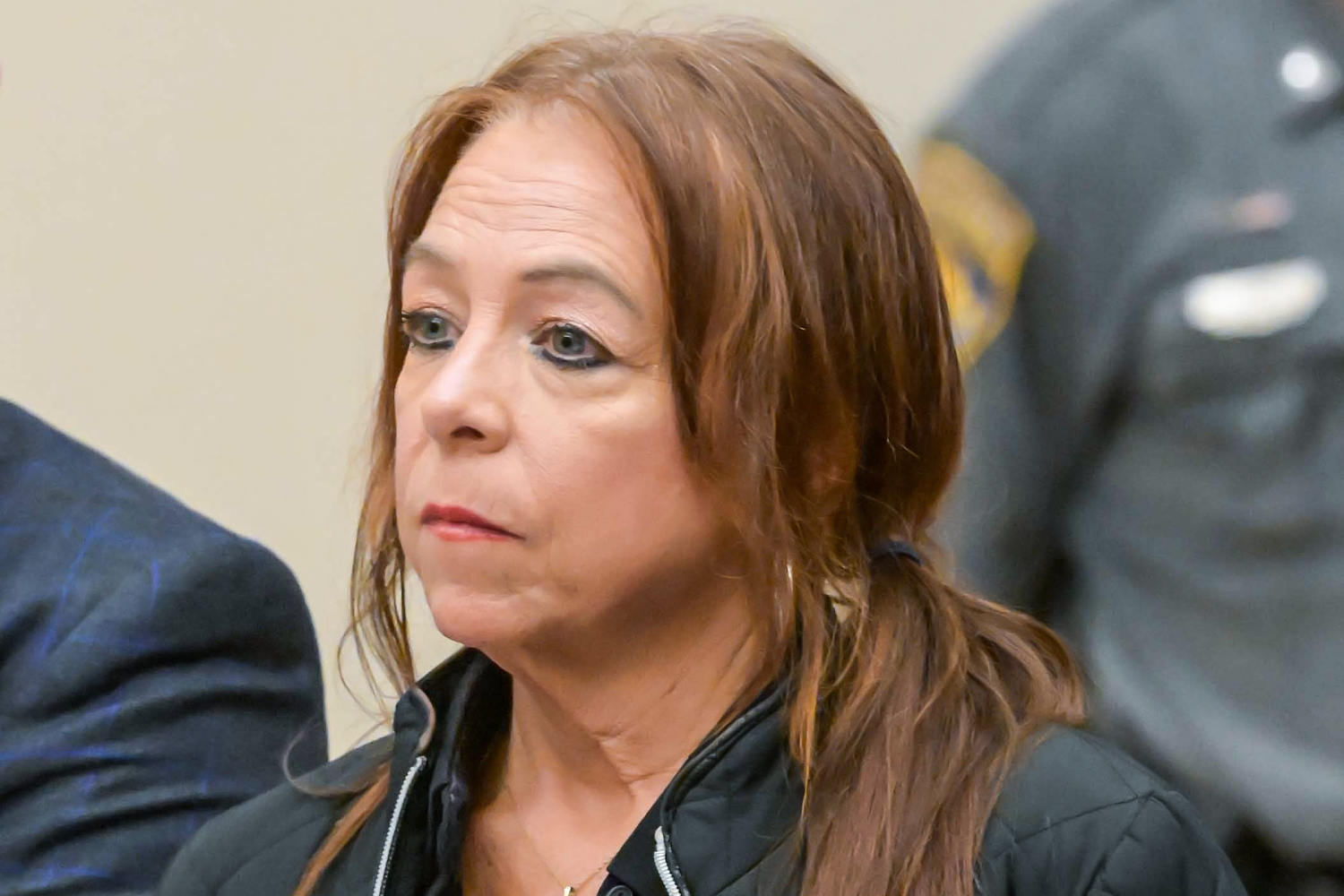
Two decades inside a single room changes everything about how a person moves, eats, trusts, and survives. Now, with a trial lined up for February following rejected plea offers and scheduled jury selection in January, the Waterbury captivity case is forcing courts and communities to confront how abuse hides in plain sight for twenty years.
Let's get straight to the core of what happened and why the calendar matters so much right now. In the Connecticut case involving defendant Kimberly Sullivan, prosecutors allege she kept her stepson confined for roughly twenty years starting when he was a boy, starving him, withholding proper care, and restricting him to abusive conditions until a February 2025 house fire—set in an effort to escape—brought first responders and exposed the ordeal. After turning down a proposed plea deal that would have carried prison time and probation, the case moved onto the trial track, with jury selection set for January and trial slated for February.
Honestly, whenever a story like this surfaces, people immediately ask two things. First, how could something go on for twenty years without anyone stopping it? Second, what happens in a courtroom when the alleged abuse spans childhood into adulthood?
How a Twenty-Year Captivity Case Reaches Trial
Cases involving prolonged domestic confinement rarely unravel overnight. Usually, they end in a sudden rupture—a medical emergency, a police welfare check, or a desperate act of escape—that forces agencies to piece together years of silence.
In this Waterbury case, authorities reported that the victim, a man in his early thirties at the time of his rescue, told investigators he had been locked away and deprived of basic necessities for two decades. According to reporting from the Associated Press, hospital staff noted severe emaciation and malnutrition after the February 2025 fire, and prosecutors described his fear upon learning that the defendant was out on bond with electronic monitoring rather than behind bars. Defense attorneys, meanwhile, have maintained the presumption of innocence and pushed back on motions and monitoring requests during pretrial proceedings.
Rejection of a plea offer changes the stakes completely. Plea deals exist to provide certainty—often trading the risk of a long trial for a defined sentence, like the ten-year prison term followed by probation discussed in court reporting. Once a defendant says no and the court sets January jury selection and a February trial, every detail of timeline, medical evidence, and witness credibility gets tested in public.
That's the thing about trials in long-term abuse cases. They aren't just about one dramatic day. They're about proving continuity over twenty years.
Why Abusive Conditions Stay Hidden Behind Closed Doors
People love to ask why neighbors didn't notice or why one knock at the door didn't fix everything. Having followed child welfare reporting and courtroom coverage closely, I can tell you the real answer is almost always boring, bureaucratic, and heartbreakingly ordinary.
Abusers don't need soundproofed dungeons to keep someone trapped. Often, they just need routine, isolation, and plausible excuses.
Take school-age years, for example. Reporting on the Connecticut case indicated that when the victim was younger and still attending school, hunger was already visible—stealing food, asking classmates, or scavenging—yet once a child stops showing up or gets pulled into strict household control, oversight can evaporate. Even when reports are made to authorities or child welfare agencies, investigators face strict legal thresholds. If a child appears coached, frightened, or physically guarded at the door, an initial check can close without uncovering what happens behind closed doors later on.
Then comes the transition into adulthood. Once a captive turns eighteen, many automatic safety nets—school attendance tracking, pediatric checkups, juvenile protections—fall away. Outwardly, an adult living in a family home can look like a private choice rather than unlawful restraint, even when fear, malnutrition, or physical barriers are keeping them there.
Looking at other notorious prolonged captivity cases—such as the 2018 rescue of the Turpin siblings in California, where years of severe deprivation and isolation went undetected despite outward appearances—shows a consistent pattern. Isolation works best when outsiders assume "it's complicated family business" and step back.
A single welfare check or brief conversation at a doorway rarely reveals two decades of coercive control. Prosecutors have to connect medical records, household evidence, and testimony into a timeline a jury can verify beyond a reasonable doubt.
What Prosecutors Must Prove in Court
When a case like this goes to trial in February, the legal bar isn't moral outrage. It's statutory elements.
Depending on the exact charges filed, prosecutors typically have to prove several distinct pieces:
- Unlawful restraint or kidnapping: Showing that the victim was confined, moved, or restricted without legal authority or genuine consent, and explaining why perceived or enforced barriers kept them from leaving even as they grew older.
- Physical cruelty or neglect: Using medical records, dental findings, weight and nutrition data, and living-condition evidence to show harm or severe deprivation over time.
- Credibility across a long timeline: Helping jurors understand memory gaps, trauma responses, and why someone might endure years of abuse before taking a drastic step like starting a fire to get out.
At the same time, defense counsel will scrutinize every inconsistency, challenge assumptions about how someone stayed in a house for twenty years, and remind jurors of the constitutional presumption of innocence. That tension—between a survivor's lived reality and the strict rules of evidence—is what makes February's trial date so consequential.
What Gets Misunderstood About Long-Term Captivity and Survivor Recovery
There are a few myths that pop up every time a story like this hits the headlines, and it helps to clear them up right now.
First, people assume a person who isn't physically chained twenty-four hours a day could simply walk out. That's a misunderstanding of how severe captivity and psychological coercion work. When someone has been controlled since childhood, has no money, no identification, no outside support network, and severe physical depletion, "just walking out" isn't simple. Sometimes an act of desperation—like setting a fire—happens only when staying feels like certain death.
Second, folks often think rescue is the finish line. It isn't. Rescued victims routinely face refeeding challenges, dental and medical repair, post-traumatic stress, and deep anxiety about safety—especially while a defendant is out on bond awaiting trial.
Third, let's be honest about what we don't know until testimony is heard in open court. Pretrial allegations, bond hearings, and news summaries are snapshots, not a final verdict. Some details may be reinforced by records and witnesses, while others could be contested or narrowed during trial. Being transparent about that uncertainty keeps our understanding grounded in facts rather than speculation.
Practical Steps for Following the Trial and Supporting Abuse Prevention
If you're following this case as the February trial approaches—or looking for ways to spot warning signs and support people in trouble—here are concrete things you can do right now:
- Track primary court and wire reporting: Rely on established court reporters and wire outlets like Court TV or the Associated Press rather than social media rumors, paying close attention to actual motions, rulings, and trial testimony rather than sensational headlines.
- Learn the red flags of isolation and severe neglect: Watch for sustained social withdrawal, sudden disappearance from school or community life, extreme weight loss or untreated dental and medical issues, and a caregiver who constantly speaks for or blocks access to a child or vulnerable adult.
- Report concerns early to the right channel: If you suspect a child is being abused or neglected in the United States, contact your state's child protective services agency or call or text the Childhelp National Child Abuse Hotline at 1-800-422-4453; for immediate danger, always call 911.
- Support survivor-centered advocacy: Look into local victim advocacy centers and legal aid groups that help survivors navigate court appearances, restitution, and long-term medical and mental health care.