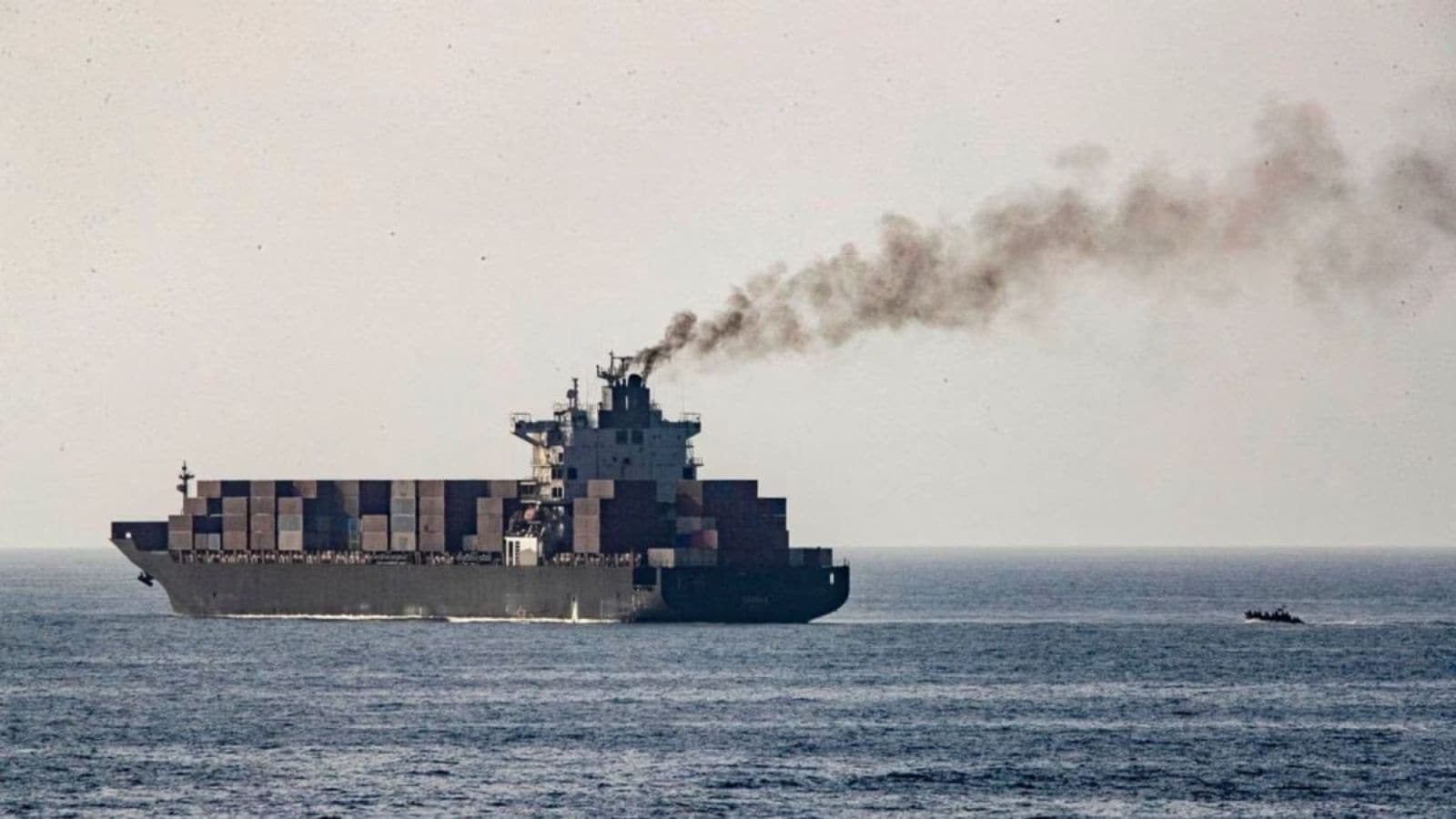
Six Indian nationals are currently held hostage aboard a Cameroon-flagged cargo ship seized by pirates off the coast of Somalia, putting a harsh spotlight back on the dangerous reality of maritime shipping routes near the Horn of Africa.
If you think Somali piracy died out a decade ago, you aren't paying attention. The seizure of the general cargo vessel M/V Lutuf on August 17, 2026, proves that maritime threats in the western Indian Ocean are roaring back to life. Eight armed pirates boarded the 1,401-deadweight-ton vessel roughly four nautical miles off Mareeyo in Somalia's Puntland region, taking control of the ship and its mixed crew in broad daylight.
Inside the MV Lutuf Seizure
The math behind modern commercial shipping vulnerability is brutal. Small, underequipped vessels operating in poorly policed coastal waters make easy targets. The M/V Lutuf, owned by Polar Movement Shipping, carried a ten-member crew. That group included six Indians, one Turkish national, one Georgian, and two Serbian security guards.
What makes this particular hijacking stranger than standard ransom operations is the cargo. Local officials confirmed the vessel hauled Turkish weapons, communications gear, and satellite equipment destined for a military training facility in Mogadishu. Carrying military hardware through known high-risk zones without heavy naval protection invites trouble.
Pirates quickly directed the seized ship toward the Nugaal coast near Garmaal in the Dangoroyo district. Regional security trackers noted that the attackers belong to the same faction linked to the April hijacking of the M/V Sward. Chaos escalated quickly after the seizure when Turkish-owned vessels approached the captured ship while drones and helicopters hovered overhead. Reports even surfaced of a localized strike following a small boat delivering khat supplies to the pirates, turning a standard maritime crime scene into an active geopolitical flashpoint.
The Broader Crisis Facing Indian Seafarers
India provides a massive percentage of the world's merchant navy workforce. Because of that, whenever maritime security breaks down, Indian families pay the price. This incident doesn't exist in a vacuum. Just days prior, an Eritrea-flagged oil products tanker carrying another 16 Indian crew members was hijacked off the coast of Yemen in the Gulf of Aden.
That puts over twenty Indian mariners caught in intersecting zones of piracy and regional conflict within a single week.
Shipping companies love to cut corners by registering vessels under flags of convenience like Cameroon or Eritrea, often bypassing stricter safety protocols and operating with bare-minimum security details. When things go wrong, these skeleton crews have zero defense against armed skiffs.
Why Traditional Anti-Piracy Measures Are Failing
For years, international naval coalitions kept Somali piracy suppressed through aggressive patrols. But naval assets are stretched thin right now. The crisis in the Red Sea involving Houthi attacks has forced military task forces to pivot their main focus away from Somali waters, leaving a massive security vacuum.
Pirates noticed. They adapted by using captured fishing dhows as motherships, launching fast attack skiffs hundreds of miles out to sea.
When you combine desperate local criminal networks with lax vessel monitoring, cargo ships hauling sensitive military equipment become sitting ducks. Governments issue travel advisories, and shipping associations publish endless circulars, but the guys standing watch on the bridge of a cargo vessel at 3 AM are the ones left vulnerable.
The situation for the crew of the M/V Lutuf remains tense as diplomatic channels grind into motion. Officials report that the Indian crew members are believed to be safe for now, but safety during a standoff can evaporate in seconds. Expect mounting pressure on maritime regulators to crack down on substandard vessel registrations and force operators to beef up armed security in high-risk zones before another crew pays for corporate negligence with their freedom.