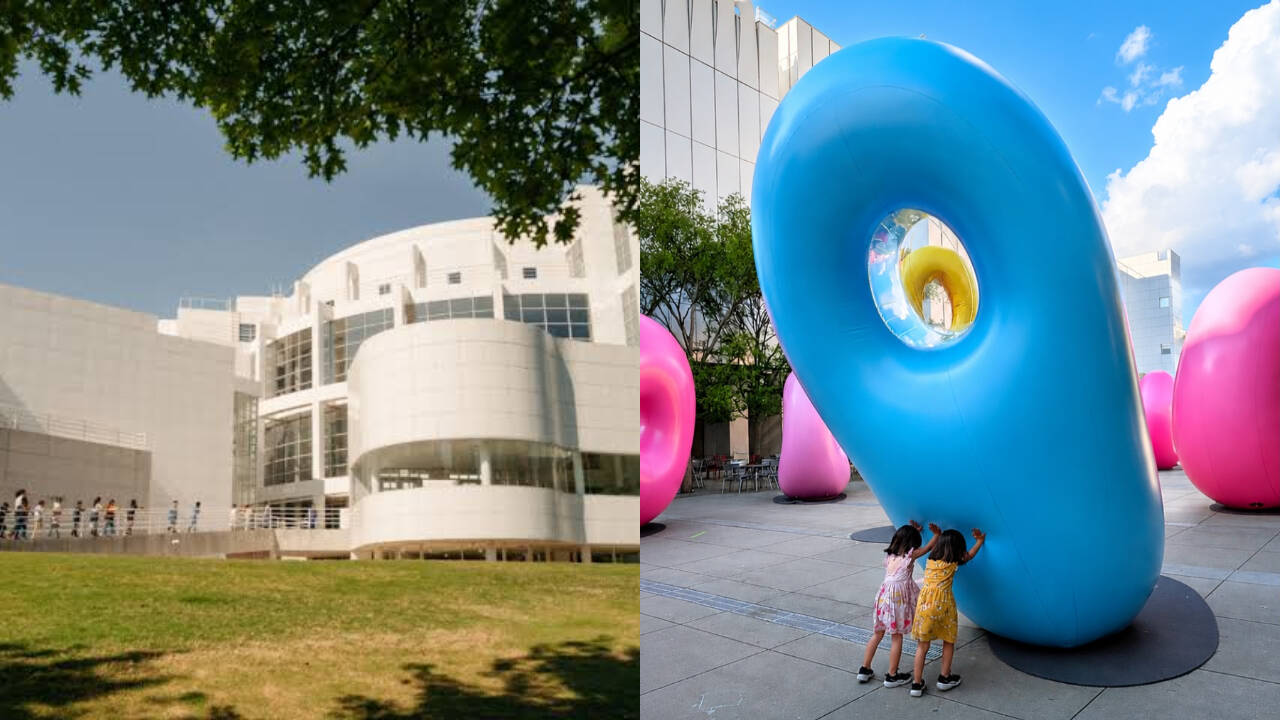
The standard narrative surrounding the High Museum of Art is a comforting fable for civic boosters. You have heard it before. A modest group of art enthusiasts gather in a Victorian home in Atlanta, a few generous patrons write checks, a starchitect drops a gleaming white porcelain cylinder into the southern sun, and presto, a world-class cultural capital is born from southern red clay.
It is a neat story. It is also entirely backwards.
Institutions like the High do not succeed because of polite philanthropy or architectural vanity projects. They survive despite them. When cultural historians pretend that a museum's trajectory is a straight line from a Victorian parlor to Richard Meier’s soaring atriums, they erase the messy, transactional, and occasionally brutal mechanics of how culture actually takes root in a booming commercial hub. I have watched boards panic, endowments stretch to the breaking point, and curators chase tourist attendance numbers while pretending they were serving a higher academic calling.
Let us strip away the institutional PR and look at how a regional gallery actually transforms into an economic engine without losing its soul in the process.
The Myth of the Accidental Collector
The foundational myth of most American regional museums rests on the idea of enlightened amateurs collecting art out of pure aesthetic devotion. The High’s origins in the Atlanta Art Association during the late nineteenth and early twentieth centuries are painted as a quaint crusade to bring high culture to the provinces.
The reality was far more pragmatic. Wealthy southern industrialists and cotton merchants did not fund art associations purely for the love of canvas. They did it for the same reason their counterparts in Chicago, Pittsburgh, and Dallas built symphonies and galleries. Cultural infrastructure signals civic maturity to outside capital.
When the High moved into the High family home on Peachtree Street in 1926, it was an explicit play to position Atlanta not merely as a regional railroad hub, but as a sophisticated metropolis capable of competing with northeastern power centers. Art was the currency of civic legitimacy.
Recognizing this transactional core changes how we evaluate museum leadership today. When a director treats the collection purely as an archive of aesthetic perfection, the institution stagnates. When they recognize the museum as a primary asset in urban development, funding streams change, audience engagement shifts, and the programming gains teeth.
The Architecture Trap
Then came 1983. Richard Meier delivered a masterpiece of modernism. The white porcelain panels, the sweeping four-story atrium flooded with natural light, the quarter-circle geometry—it became an instant architectural icon. Tourists flocked to Peachtree Street just to walk inside the building, often paying more attention to the ramps and curves than the Tiepolos and Bellinis hanging on the walls.
Here lies the architectural trap that traps regional museums across the globe.
A breathtaking building creates an unsustainable operational burden. Pushing climate control through massive glass atriums in a humid subtropical climate eats budgets alive. Boards find themselves spending more capital on maintaining an architectural sculpture than on acquiring foundational works or funding community outreach.
The counter-intuitive truth is that iconic buildings often stunt curatorial ambition. When your exterior is already world-famous, internal exhibitions have to fight against the architecture just to be seen. Curators become tenants in a monument designed by someone else, forced to mount shows that do not clash with the blinding white enamel panels.
True cultural weight is measured by what happens inside the galleries when the novelty of the building wears off. For years, the High struggled with this exact hangover. They had the trophy house, but they had to hustle to fill the walls with exhibitions that matched the ambition of the facade.
Shifting the Lens Toward the Audience
For decades, the standard critique of southern art institutions was provincialism. Critics in New York and London assumed that anything south of the Mason-Dixon line was a sleepy backwater recycling tired European masterpieces for local elites.
That critique missed the most dynamic demographic shift in the region. Atlanta is not a sleepy southern town; it is a sprawling, multi-ethnic economic engine with a booming Black middle class, a massive creative sector, and a distinct cultural gravity that shapes global music, fashion, and art.
The High’s true turnaround did not happen because they acquired another fourteenth-century Italian altarpiece. It happened when leadership finally abandoned the desperate imitation of northeastern museum models and began programming for the actual population outside its doors.
When you look at blockbuster exhibitions featuring contemporary African American artists, partnerships with local design communities, and community-driven programming, you see an institution figuring out its true mandate. Art museums are not mausoleums for dead European aristocracy. They are public squares where contemporary identity gets negotiated in real time.
If you run a cultural institution today, the lesson is stark. Stop trying to look like a Parisian salon from 1890. If your programming does not reflect the economic and cultural realities of the city paying your property taxes, your marble floors will eventually echo with emptiness.
The Economics of Scale
Let us talk about money, because polite society prefers to whisper about endowment yields while museums quietly bleed cash.
The conventional wisdom says that admission fees should be kept low to ensure broad access, while operating deficits are papered over by annual galas where corporate executives buy tables to eat rubber chicken under Picasso prints. This model is broken.
Relying on gala circuit philanthropy creates a risk-averse board culture. When your major donors are conservative businessmen who view the museum as a status symbol rather than an incubator for challenging ideas, curatorial staff self-censor. They stick to safe Impressionist blockbusters that guarantee ticket sales and corporate sponsorship logos on the banners outside.
The alternative requires aggressive financial diversification and a willingness to monetize the physical plant without turning the galleries into a shopping mall. It means treating education not as a charitable afterthought, but as a core product line that feeds the future donor pipeline.
More importantly, it requires admitting a hard truth about our contrarian approach: aggressive community programming and contemporary acquisitions alienate traditional patrons who want their museum experience frozen in a nineteenth-century amber. You cannot please the old guard and capture the future simultaneously. Leadership requires choosing which audience you are willing to lose.
Moving Past the Hagiography
We do not need another glossy retrospective celebrating how brilliant founders conjured a world-class museum out of thin air. That kind of institutional hagiography blinds us to the real mechanics of cultural survival.
The High Museum of Art grew because it navigated the messy intersections of civic ambition, real estate booms, demographic explosions, and financial tightropes. It succeeded when it stopped apologizing for being a southern institution and started treating southern culture as a global epicenter.
If you want to build or fix a cultural landmark in your own city, stop obsessing over the starchitect and the donor plaque. Look at who is walking through your doors, look at whose stories your collection ignores, and prepare to break every polite rule the founders laid down.