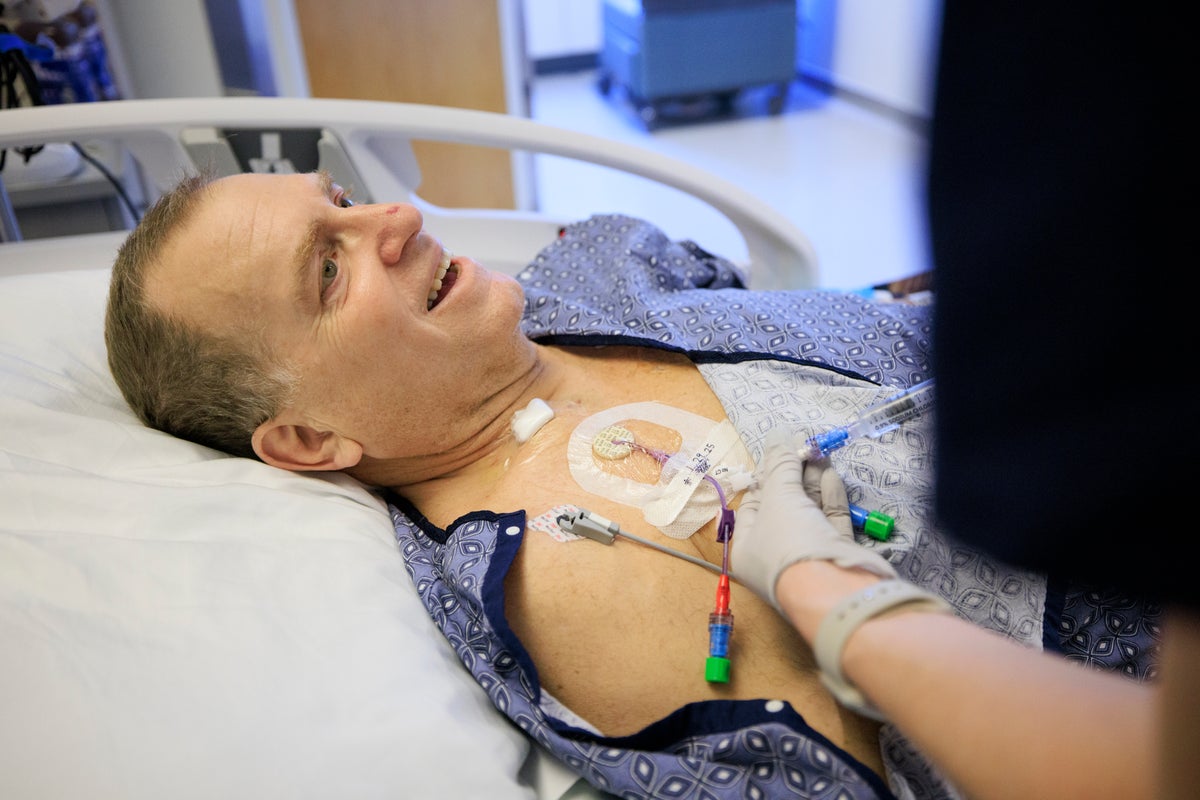
Pediatric cancer survivors who transition into careers as physicians face severe, unexamined psychological burdens that the medical establishment routinely ignores. While the media frequently celebrates the "patient-turned-doctor" narrative as the ultimate triumph over illness, the reality inside hospitals is far more complex. Surviving a life-threatening malignancy at a young age provides profound empathy, but it also creates a unique vulnerability to vicarious trauma and systemic burnout. The healthcare industry eagerly capitalizes on these inspirational stories while failing to provide the specialized institutional support required to protect these doctors from their own pasts.
The Dual Identity Crisis
Medical training demands emotional detachment. For a physician who spent their childhood hooked to an intravenous pole, achieving that detachment is practically impossible. They are forced to inhabit two worlds simultaneously. Every sterile corridor, every distinct smell of antiseptic, and every alarm sound from a patient monitor triggers deeply buried somatic memories.
When a former pediatric oncology patient steps into the role of the treating physician, the boundary between self and patient dissolves. A routine ward round can instantly transform into a psychological minefield. Seeing a child experience the exact hair loss, nausea, or fear that they once endured does not just evoke sympathy. It actively reactivates personal trauma.
This dual identity creates a profound cognitive load. The young doctor must project absolute clinical authority while internally managing a flood of memories from when they were completely powerless. This psychological friction consumes immense emotional energy. Over time, this constant self-regulation erodes psychological reserves much faster than the standard pressures of residency already do.
The Empathy Trap and Countertransference
Medical schools praise empathy as a core virtue. Yet, the specific type of hyper-empathy carried by survivors often complicates clinical judgment. In psychiatry, countertransference occurs when a clinician projects their own unresolved feelings onto a patient. For the survivor-physician, this risk is constant.
Consider a hypothetical scenario where a resident who survived advanced Hodgkin's lymphoma is managing a teenager with a similar diagnosis. The resident may struggle to remain objective about prognosis, either over-identifying with the patient’s suffering or overcompensating by becoming overly optimistic. They might push for aggressive interventions based on their own survival experience, rather than the specific metrics of the case before them.
- Emotional over-investment: Spending excessive time with familiar cases, leading to charting backlogs and exhaustion.
- Hyper-vigilance: Constantly fearing that a patient's minor symptom shifts indicate catastrophic progression, mirroring their own past medical anxieties.
- Survivor guilt: Feeling profound personal shame when a patient dies from the same disease that the doctor managed to survive.
This guilt is particularly toxic. When a child succumbs to an illness, the doctor is left asking a devastating question. Why did I live when this child had to die? The medical system offers no vocabulary for processing this specific form of professional grief.
Institutional Exploitation of the Inspirational Narrative
Hospitals and medical school marketing departments love a triumph-over-adversity story. A doctor who conquered stage four cancer as a teenager is gold for public relations campaigns, fundraising galas, and recruitment brochures. This commercialization creates an invisible trap for the physician.
Once branded as the "miracle survivor," the doctor faces immense pressure to maintain that persona. They feel obligated to be perpetually resilient, optimistic, and available. Admitting to depression, anxiety, or secondary traumatic stress feels like failing the narrative. They become trapped by their own success story, unable to signal for help because they are supposed to be the living proof that cancer can be beaten without lasting scars.
This systemic pressure forces these individuals to mask their struggles. They work longer hours, volunteer for the most difficult oncology rotations, and internalize their distress. The institution profits from their inspirational status while offering nothing in return to mitigate the specific risks associated with their history.
The Physical Long-Term Costs of Survivorship
The burden is not merely psychological. Pediatric cancer treatments involve toxic chemotherapy regimens and radiation that inflict permanent damage on the human body. Survivors frequently live with chronic health issues that persist decades after they are declared cancer-free.
Common late effects include cardiomyopathy, pulmonary fibrosis, premature hearing loss, and secondary malignancies. Medical residency is notoriously brutal, demanding 80-hour workweeks, chronic sleep deprivation, and intense physical stamina. For a physician with a compromised cardiovascular or pulmonary system due to childhood treatments, these demands are hazardous.
+---------------------------+---------------------------------------+
| Childhood Treatment       | Potential Long-Term Medical Risk      |
+---------------------------+---------------------------------------+
| Anthracyclines (Chemo)    | Cardiomyopathy, Congestive Heart Failure |
| Chest Radiation           | Pulmonary Fibrosis, Coronary Disease  |
| Cisplatin (Chemo)         | Permanent Hearing Loss, Renal Injury  |
+---------------------------+---------------------------------------+
A residency program rarely adjusts its physical demands for a survivor unless forced to do so by formal disability documentation. Many doctors refuse to seek these accommodations out of fear of stigma or professional reprisal. They push their damaged bodies to match the pace of healthy peers, actively endangering their long-term health to prove they belong.
Redesigning Medical Education for the Wounded Healer
The current medical training framework treats personal illness as an anomaly or a completed chapter. To protect survivor-physicians, institutions must reform their approach to mental health and professional boundaries.
First, medical training programs need to establish confidential, specialized support groups specifically tailored for clinicians with histories of severe chronic illness. Standard employee assistance programs are completely unequipped to handle the intersection of childhood trauma and clinical practice.
Second, mentorship models must change. Junior doctors who survived childhood diseases need access to senior faculty members who have successfully navigated the same path and can provide realistic strategies for boundary setting.
Finally, the culture of medicine must discard the expectation of absolute stoicism. Expecting a doctor to witness familiar suffering daily without experiencing personal distress is an algorithmic expectation applied to human beings.
Medical institutions must stop treating these doctors as PR assets and start protecting them as vulnerable, highly valuable professionals who carry invisible wounds. Until the system acknowledges that lived experience demands specialized institutional protection, the very history that makes these physicians great will continue to destroy them from within.