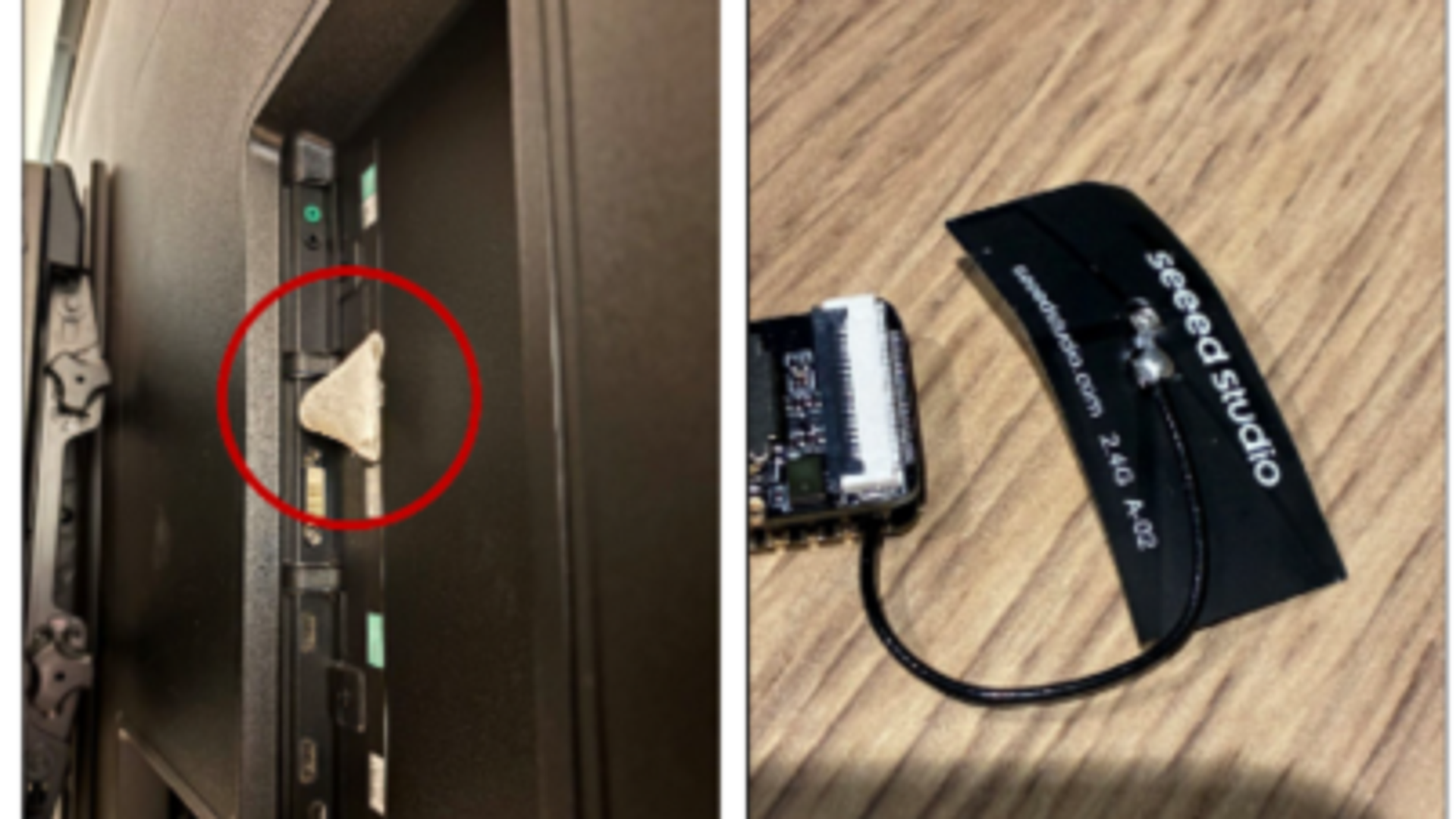
A roll of toilet paper beat frontier AI for two days.
That sentence still stings when you think about how much money, compute, and paranoia goes into protecting a leading AI lab. According to federal prosecutors, a Saudi national and former OpenAI engineer named Abdulrahman Alfozan allegedly hid a recording device wrapped in toilet paper inside a USB port behind a television in a San Francisco executive conference room. OpenAI staff found it on September 30, 2026. The FBI arrested him on October 9, and a federal judge has set his trial for January 20, 2027.
Alfozan has pleaded not guilty to one count of intercepting oral communications under federal wiretapping law. He has not been charged with espionage, and OpenAI says it found no evidence that model weights, source code, or customer data were taken. Still, the Department of Justice framed the prosecution around national security and American leadership in artificial intelligence.
When you strip away the headlines, the real story isn't just about one engineer or one conference room. It's about how easily physical gaps slip past companies that spend billions locking down their digital walls.
What Prosecutors Allege Happened Inside OpenAI
Federal court filings paint a weirdly low-tech picture inside a high-tech company.
Prosecutors say Alfozan, a 35-year-old Saudi national and U.S. lawful permanent resident who joined OpenAI in July 2025, placed an audio recorder behind a television in a conference room used for sensitive technical, commercial, and strategic meetings—including sessions involving U.S. government officials. Court filings indicate the firmware appeared compiled around September 28, and staff discovered the device plugged into a rear TV USB port wrapped in toilet paper two days later.
Investigators later pointed to other details in court filings:
- Security footage allegedly showed Alfozan entering the conference room on October 5 and checking behind the television, and a second recording device was reportedly found in an unattended bag containing his wallet and ID.
- Prosecutors alleged that a chatbot account tied to his wife had generated prompts about building, testing, concealing, and accessing a remote device, including details matching the recorder's custom header and MAC address.
- Court filings also noted frequent WhatsApp contact with a member of the Saudi royal family, while prosecutors told the court they had not yet produced evidence backing espionage claims when the January 2027 trial date was set.
Because criminal complaints and indictments are allegations—not proof of guilt—Alfozan remains presumed innocent unless convicted at trial. His defense attorney has pushed for a speedy trial, contested pretrial detention, and argued that the government hasn't substantiated espionage assertions.
Why Physical Rooms Are the Soft Spot in AI Security
Having spent years advising teams on security hygiene and insider risk, I see the same blind spot over and over. Leaders obsess over perimeter firewalls, API keys, and code repositories. Then they leave a USB port open on a conference room display.
Think about what happens in an executive room that doesn't happen in a Git repository. People speak candidly about roadmap delays, hiring friction, government briefings, and deal negotiations. None of that is sitting in a neatly access-controlled database. Once a thought leaves someone's mouth in an unmonitored room, software access controls can't rewind it.
Even at a company with badge readers, cameras, and dedicated security teams, physical presence creates leverage. A person who already has legitimate building access doesn't need to hack a firewall to reach the back of a wall-mounted monitor. Honestly, that's why simple physical tricks catch so many organizations off guard. High-end cryptography doesn't protect a conversation if nobody checks behind the TV.
What This Case Gets Right and What Remains Unclear
Some commentators immediately jumped to cinematic conclusions—spy rings, stolen frontier weights, or foreign intelligence handoffs. That's a mistake.
First, wiretapping under 18 U.S.C. § 2511(1)(b) is distinct from economic espionage. Prosecutors charged interception of oral communications, which carries a statutory maximum of five years in prison upon conviction, along with a fine and supervised release. When Judge Vince Chhabria set the January 20, 2027 trial date, the defense pressed the lack of espionage evidence.
Second, there's a real tension between national security framing and proven facts. Senior officials have treated AI competition as a strategic national security priority, and enterprise buyers increasingly ask AI vendors tough questions about physical and insider controls. Yet public filings haven't settled who—if anyone—was supposed to hear those recordings, or whether the files on the encrypted device could even be decrypted.
What is clear is that internal culture and access boundaries are getting intense scrutiny across major AI labs. Employees and outside observers have pointed to the speed of product development and internal access policies as ongoing pressure points. When teams race to ship, basic physical sweeps and hardware locks are often the first things people treat as "good enough."
Practical Steps for Protecting Sensitive Rooms
You don't need a Hollywood budget to close the most obvious physical gaps in your own office or boardroom:
- Lock down ports and inspect hardware. Disable unused USB ports on conference room TVs and monitors where possible, or use physical port blockers. Do quick visual checks behind displays and under tables in rooms used for confidential strategy or legal meetings.
- Separate high-trust rooms from everyday spaces. Keep executive briefings, M&A talks, and sensitive customer or government meetings in dedicated rooms with tighter visitor logs and routine sweeps rather than general-purpose huddle rooms.
- Pair badge logs with behavioral and data controls. Badge access alone tells you who walked into a hallway, not what happened inside or whether someone checked equipment afterward. Review how internal calendars, room bookings, and sensitive documents are logged and restricted.
- Train staff to spot physical anomalies. A loose cable, an unfamiliar dongle, or a bag left unattended in a restricted area shouldn't be brushed off as janitor clutter. Make reporting weird hardware effortless and routine.
No single lock stops every determined insider. Still, checking behind the TV takes thirty seconds—and it's a lot cheaper than explaining to federal agents why nobody looked.