A walk through the British countryside is widely seen as a safe, peaceful pastime, but recent data shows a sharper edge to rural recreation. A man in his 70s recently died after sustaining serious injuries from cattle while walking on a National Trust estate. This tragedy highlights a growing, systemic conflict between modern public access and traditional land management. The immediate cause of death may be an animal encounter, but the root cause lies in a failure to manage the shifting dynamics between urban recreationists and working agricultural landscapes.
Incidents of this nature are not isolated anomalies. Agriculture remains one of the most hazardous sectors in the UK, and when farming operations intersect with public rights of way, the risk spills over to the general public.
Understanding why these encounters turn fatal requires looking beyond the immediate tragedy to examine animal psychology, changing land use patterns, and the legal framework governing public access.
The Blind Spots in Rural Risk Assessment
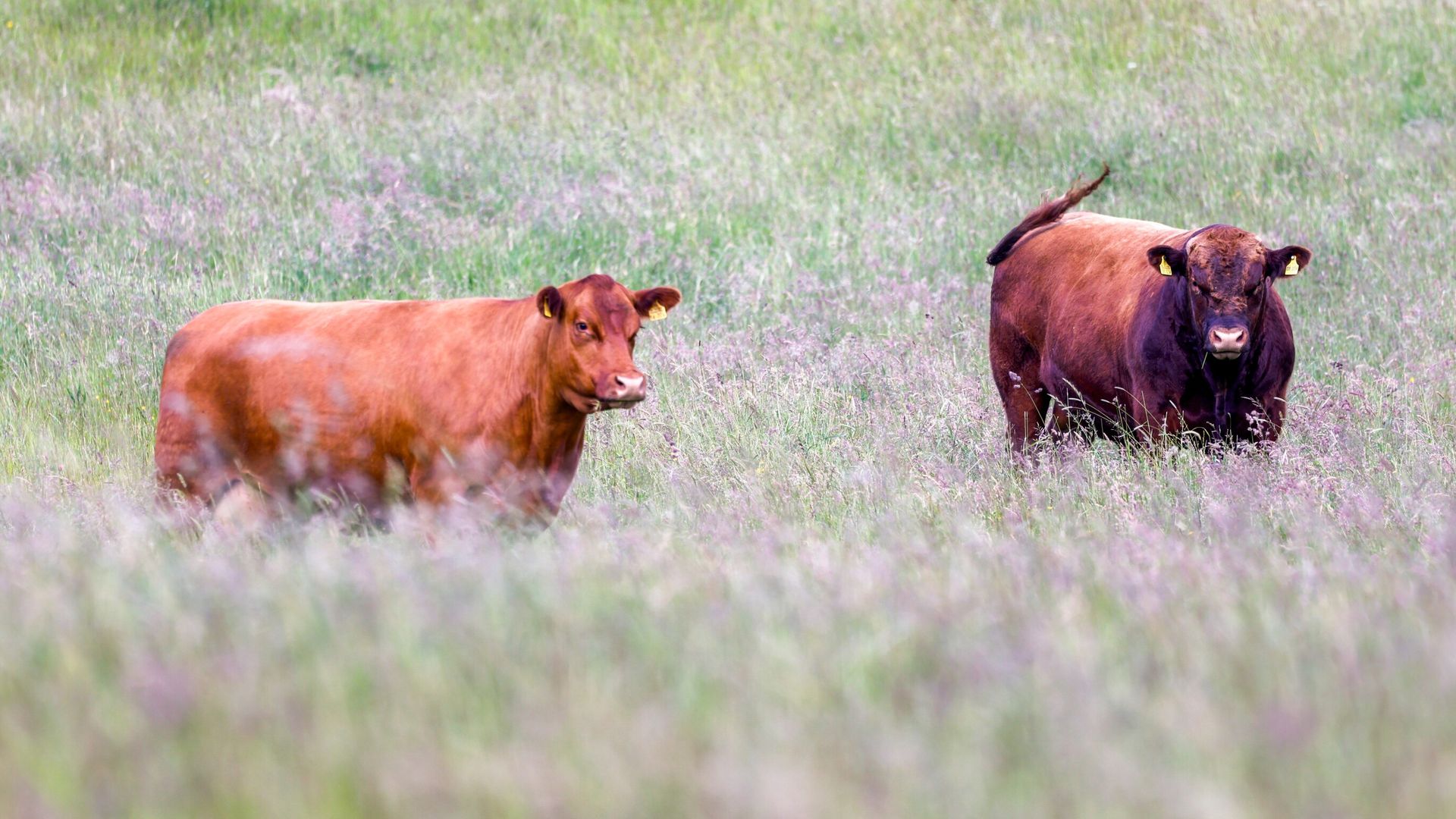
Most people view livestock as docile features of the scenery. They are not. A cow protecting its calf possesses a powerful maternal instinct that can turn aggressive in seconds. The Health and Safety Executive (HSE) frequently investigates incidents where walkers are trampled, yet public awareness of cattle behavior remains critically low.
When a walker enters a field with a dog, the risk multiplies exponentially. Cattle do not see a pet; they see a predator. Even if a dog is on a lead, its presence triggers a defensive response from the herd. The standard advice from agricultural bodies is to release the dog if chased, allowing both human and pet to escape independently. Yet, human instinct is to hold on, leading to catastrophic crushing injuries.
The problem deepens when analyzing how land is managed for public access. Organizations like the National Trust face a difficult balancing act. They must promote conservation and public health through outdoor recreation while leasing land to tenant farmers who need to run profitable businesses. When these priorities clash, signage and physical infrastructure often fall short of what is needed to keep people safe.
The Problem with Soft Warnings
Walk through any popular estate and you will see standard, weathered signs advising walkers to keep dogs on leads or beware of the bull. These warnings are often inadequate for the realities of modern livestock farming.
- Generic messaging fails to convey when a herd actually contains new mothers.
- Signs are often placed at main entry points but missing at secondary stiles or footpath intersections.
- A lack of dynamic, real-time alerting means walkers enter fields completely unaware of the current hazard level.
Passive signage relies entirely on the walker reading, understanding, and respecting the message. In reality, many visitors treat the countryside as a managed theme park rather than a working, unpredictable environment.
The Liability Gap Between Farmers and Landowners
When a fatal incident occurs on public land leased to a tenant, a complex legal battle over liability invariably follows. The Occupiers' Liability Act imposes a duty of care on both the landowner and the person occupying the land. However, determining who is at fault for a livestock attack is rarely straightforward.
Farmers are legally required to take reasonable steps to protect the public. This includes avoiding putting specific breeds of bulls, or cows with young calves, in fields crossed by popular public footpaths. If a farmer ignores these guidelines, they face criminal prosecution under health and safety laws.
Yet, farmers argue that they are being squeezed by competing demands. They are told to diversify, maintain historic landscapes, and accommodate record numbers of visitors, all while keeping food production costs low. Fencing off miles of public footpaths is prohibitively expensive and often restricted by conservation laws or local planning authorities.
The financial reality of farming means that creating completely separate corridors for cattle and walkers is impossible for most operations. The result is a system that relies on luck and the hope that visitors will spot danger before it is too late.
Changing Footpath Dynamics and the Post-Pandemic Surge
The relationship between the British public and the countryside changed permanently after rural areas experienced a massive surge in visitors. People who had rarely walked in the deep countryside suddenly flooded network footpaths. This shift brought a distinct lack of rural literacy.
Many new walkers do not understand the Countryside Code. They do not know how to read livestock body language. A cow that is agitated will stand tall, flick its tail, and bunch together with the herd. To an untrained eye, this looks like simple curiosity. By the time the herd moves forward, the walker has run out of escape routes.
This influx of visitors has also put immense pressure on infrastructure. Footpaths that once saw five walkers a day now see hundreds. This constant traffic stresses livestock, making them more twitchy and prone to aggressive outbursts when startled by a sudden appearance around a blind bend.
Infrastructure Failure Points
The physical design of rural access points creates natural traps.
A standard kissing gate or stile forces walkers to move through a narrow bottleneck. If a herd of cattle decides to congregate near the gate—often because it is a source of shade or water—the walker has no choice but to squeeze past them.
[Main Footpath Entry] ---> (Bottleneck Gate) ---> [Cattle Congregation Area]
                                                        |
                                            (Potential Conflict Zone)
In tight spaces, the flight zone of the animal is violated. When an animal cannot move away to maintain its comfortable distance, its only remaining option is to fight.
Moving Beyond Awareness Campaigns
The current strategy of relying on public education campaigns has reached its limit. Telling people to be careful does not work when the core issue is a structural failure to separate two incompatible activities.
If landowners and agricultural managers want to prevent further fatalities, they must adopt more assertive risk-mitigation strategies. One option is the temporary diversion of footpaths during calving season. While the legal process for altering a right of way is historically slow and bureaucratic, streamlining temporary closures for public safety would keep walkers out of high-risk fields during the most dangerous months of the year.
Another approach involves changing herd management practices. Some estates are moving away from traditional cattle breeds toward more docile varieties, though this can conflict with specific conservation grazing goals. Alternatively, investment in smart fencing systems allows farmers to shift herds away from active footpaths dynamically without building permanent, unsightly barriers across historic landscapes.
The current trajectory is unsustainable. As the population ages, the profile of the average rural walker changes, leaving older individuals particularly vulnerable to the physical trauma of an animal attack. A stumble in a field can turn a minor interaction into a fatal crushing event before the victim can recover.
The countryside cannot be treated as a sterile environment. It requires an active understanding of risk from those who enter it, and a more aggressive approach to separation from those who manage it. Relying on the goodwill of stressed animals and the awareness of distracted walkers will only guarantee that these headlines continue to appear.