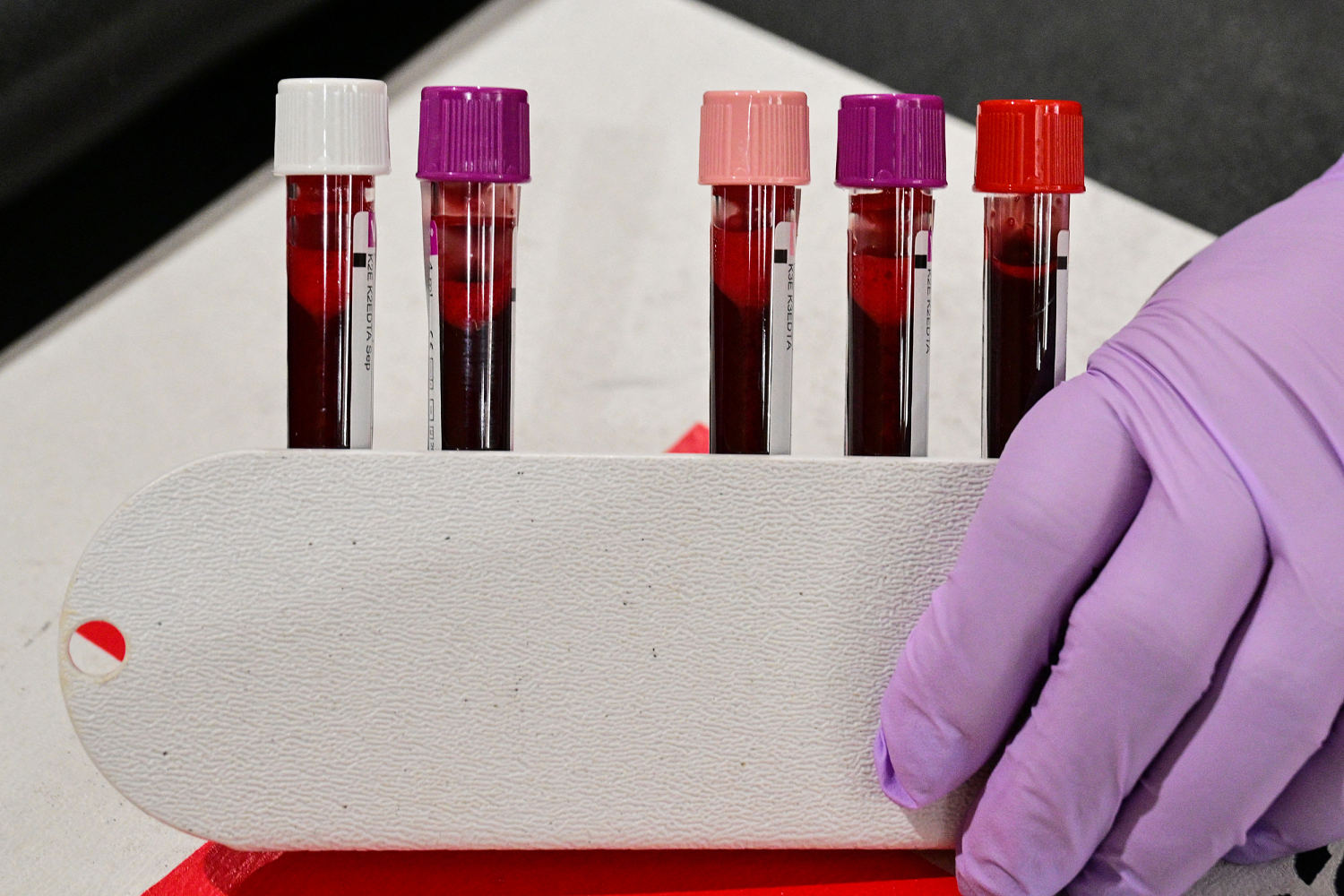
Fatigue is the great equalizer of modern life. Everyone feels tired, so nobody looks closer when exhaustion becomes chronic. People accept brain fog, cold hands, and brittle nails as the price of admission for a demanding career or a busy family schedule. Behind a vast proportion of these unexplained symptoms lies an overlooked medical failure. Iron deficiency without overt anemia remains one of the most widespread, poorly diagnosed conditions in contemporary medicine, silently draining the energy and cognitive sharpness of millions.
For decades, standard clinical practice relied on a blunt instrument to catch iron problems. Doctors ordered a basic complete blood count and looked specifically at hemoglobin levels. If hemoglobin fell inside the laboratory reference range, the patient received a clean bill of health. If hemoglobin dropped below that threshold, the diagnosis of anemia was locked in, and iron supplements were prescribed. This binary approach missed an enormous population of individuals whose iron stores were entirely depleted long before their hemoglobin crashed.
Hemoglobin is the body's priority list in action. When dietary iron intake falls short or blood loss outpaces absorption, the body protects its oxygen-carrying red blood cells above all else. It draws down its reserve tank—stored as ferritin in the liver, spleen, and bone marrow—to keep hemoglobin stable. During this phase, routine blood tests show normal hemoglobin. The patient feels terrible, struggles to concentrate, and drags through the afternoon, but their lab report looks pristine. Clinicians operating under outdated diagnostic frameworks tell these patients that their blood work is normal, leaving them to wonder if their exhaustion is purely psychological.
Medical guidelines are finally shifting to address this diagnostic blind spot. Professional societies and hematology panels are pushing to elevate serum ferritin testing from a secondary check to a primary diagnostic requirement whenever patients present with unexplained fatigue, restless legs, or hair thinning. Ferritin acts as a direct measure of stored iron. When ferritin drops below optimal thresholds—often defined by updated consensus statements as anything under thirty nanograms per milliliter, regardless of the broader lab range—the body is running on empty.
Understanding why this deficiency is so pervasive requires looking at how iron actually behaves in the human body. Iron is notoriously difficult to absorb. Plant-based iron sources, known as non-heme iron, require an acidic stomach environment and specific transporter proteins to cross the intestinal wall. Dietary factors, chronic inflammation, gastrointestinal disorders like celiac disease or inflammatory bowel disease, and heavy menstrual cycles can all decimate iron levels faster than food can replenish them. Once reserves hit zero, the body cannot manufacture adequate amounts of myoglobin for muscles or neurotransmitters for the brain, explaining why deficiency manifests as breathlessness during a flight of stairs and persistent mental sluggishness.
The consequences of missing this diagnosis extend far beyond feeling tired. Chronic iron deficiency impairs cognitive performance, dampens immune function, and blunts athletic recovery. Children with low iron stores struggle with attention and learning retention in school. Adults face reduced productivity and persistent mood disturbances that mimic mild depression or burnout. Because the symptoms creep up gradually, people adapt to their diminished capacity, accepting a lower baseline of physical and mental health as their new normal.
Treating iron deficiency effectively is rarely as simple as swallowing an over-the-counter pill and waiting for energy to return. Standard oral iron salts frequently cause significant gastrointestinal distress, including severe cramping, nausea, and constipation. Many patients abandon supplementation within weeks because the side effects outweigh the perceived benefits. Furthermore, taking large doses of iron all at once triggers the release of hepcidin, a hormone that blocks iron absorption for up to twenty-four hours. Modern clinical protocols now favor alternate-day dosing, which allows hepcidin levels to normalize between doses, maximizing absorption while minimizing digestive distress. In cases of severe malabsorption or profound depletion, intravenous iron infusions offer a rapid, effective route to restore stores directly.
The shift toward recognizing non-anemic iron deficiency represents a major correction in clinical medicine. It bridges the gap between patient experience and objective testing, validating the exhaustion of millions who were previously told nothing was wrong. Fixing the problem requires both clinicians and patients to look beyond hemoglobin and demand a complete evaluation of iron storage before dismissing chronic fatigue as an inevitable feature of daily life.