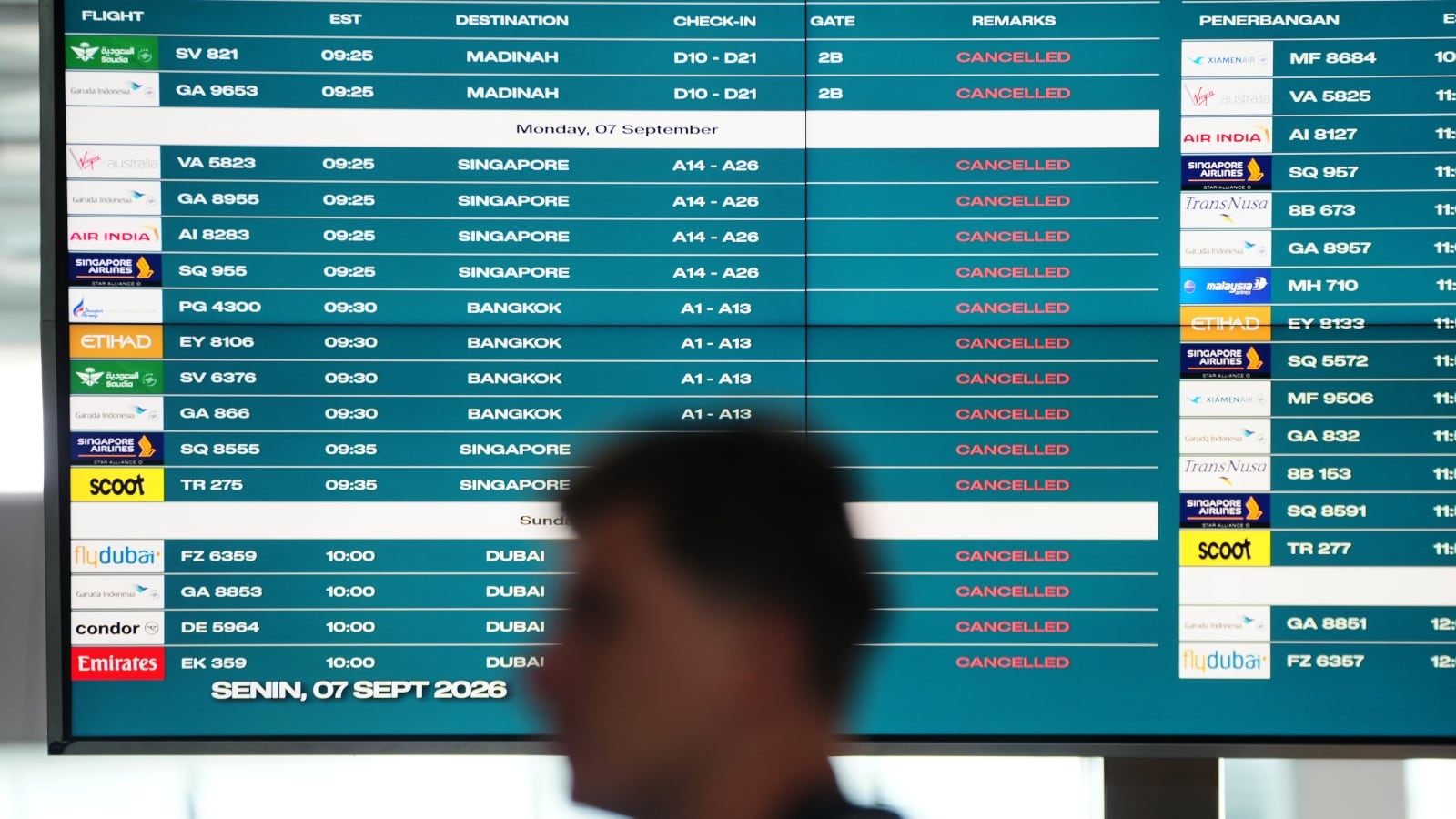
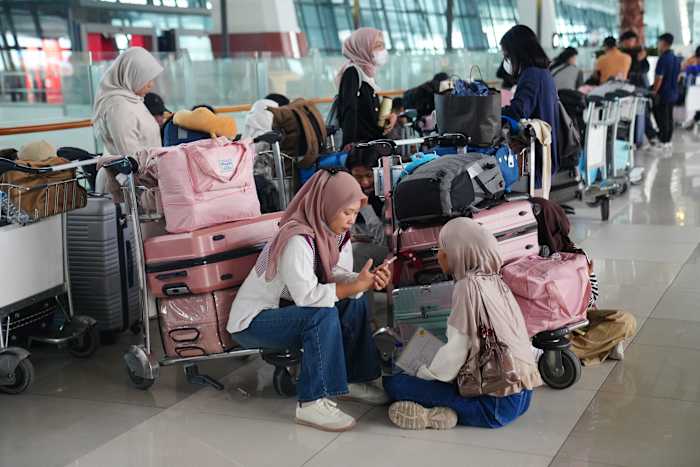
Volcanic ash doesn't negotiate with airline schedules. When Mount Anak Krakatau blew its top over the weekend, it didn't just put on a terrifying geological show—it paralyzed the airspace surrounding Jakarta, grounding nearly 3,000 flights and trapping upwards of 340,000 passengers across eight regional airports.
If you've ever tried to rebook a canceled international connection while standing in a sea of thousands of agitated travelers at Soekarno-Hatta International Airport, you know the absolute chaos that follows. But as of early Tuesday, those gates are finally open again. The question now isn't just about planes taking off. It's about understanding why volcanic disruptions wreck travel plans for days after the ash clears, and how you can protect your itinerary next time the Ring of Fire wakes up. You might also find this similar story insightful: The Ashes of Distance When Indonesia Keeps Its Airports Closed.
Why Jet Engines and Volcanic Ash Never Mix
People often wonder why a little gray dust forces carriers to ground multi-million-dollar aircraft. It isn't because the dust makes the windows dirty.
Volcanic ash is basically pulverized rock, glass, and crystalline minerals. When a jet engine sucks that material in at high cruising speeds, the internal temperatures—often exceeding 1,000 degrees Celsius—melt the glass particles instantly. That melted glass coats the turbine blades, cools down, and solidifies. The engine essentially chokes on its own ingestion, losing thrust or failing entirely. As reported in latest articles by Condé Nast Traveler, the effects are notable.
That is why transport authorities treated the Anak Krakatau eruption as an absolute hard stop. Eight airports across Banten, West Java, and parts of Sumatra were shut down. Soekarno-Hatta and Halim Perdanakusuma in Jakarta bore the brunt of it, stranding families, business travelers, and cargo in a massive logjam.
The Disruption Ripple Effect You Don't See
The physical reopening of an airport runway doesn't mean your trip goes back to normal instantly. This is where most travelers get caught off guard.
Even after the Indonesian Transport Ministry gave the green light for operations to resume, airlines faced a logistical nightmare known as fleet displacement. If an aircraft was scheduled to fly from Singapore to Jakarta on Saturday, but got parked or diverted because of the ash cloud, it wasn't where it needed to be for Sunday's domestic hop to Bali or Surabaya.
Airlines like Singapore Airlines, Scoot, and Garuda Indonesia had to issue sweeping travel waivers, offering free rebooking or full refunds. If you're flying through the region this week, check your aircraft's actual rotation history, not just the airport status board. Planes and flight crews are playing a massive game of catch-up.
Smart Moves for Traveling Through Volcanic Zones
Indonesia sits squarely on the Pacific Ring of Fire, home to over 120 active volcanoes. Eruptions happen. Flights get cancelled. You cannot control the geology, but you can control how you handle the fallout.
- Check the actual aircraft routing: If your flight originates upstream through an affected hub, assume delays even if the destination weather is clear.
- Grab the airline waiver immediately: When carriers offer zero-fee changes during an ash event, take them. Waiting to see if the flight magically runs usually leaves you at the back of the rebooking queue.
- Keep hard copies of contacts: Digital apps crash when tens of thousands of people hit local networks simultaneously. Have your airline's direct booking reference and customer service numbers written down.
Volcanoes will keep erupting across the archipelago, and Jakarta's skies will occasionally turn hazy. Knowing how the system reacts gives you the edge to stay out of the terminal gridlock.
Flights Resume Out Of Bali After Mount Lewotobi Erupts
This video provides a visual look at how volcanic ash eruptions abruptly halt flight operations and disrupt regional travel hubs in Indonesia.
http://googleusercontent.com/youtube_content/1