Bangladeshi security forces pulled dozens of Rohingya refugees from the crossfire of a brutal border gun battle along the Naf River, highlighting a dangerous new phase in Myanmar's escalating civil war. When armed clashes between Myanmar's military junta and ethnic insurgent factions spill over into sovereign Bangladeshi territory, civilians trapped in the middle pay the price. This rescue operation is not an isolated humanitarian incident; it is a stark warning that Dhaka's long-standing policy of border containment is buckling under the weight of regional instability, forcing Border Guard Bangladesh (BGB) troops into direct kinetic engagements to save lives and secure their frontier.
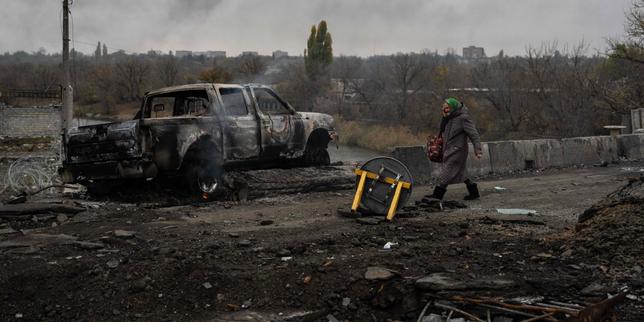
The water was dark. Then the muzzle flashes lit up the reeds along the riverbank. For years, the border separating Bangladesh’s Cox’s Bazar district from Myanmar’s Rakhine State has functioned as a tense, heavily militarized buffer zone, defined by barbed wire, watchtowers, and the uneasy stillness of over a million displaced people living in sprawling camps. That stillness has shattered. As the Arakan Army (AA) systematically dismantles the Myanmar military’s (Tatmadaw) control across Rakhine State, the fighting has pressed right up against the international boundary. Refugees fleeing the latest offensives—often ferried across the treacherous waters of the Naf River or navigating dense border forests at night—are no longer just running from state-sponsored persecution; they are running directly through active artillery and small-arms kill zones.
Anatomy of a Border Ambush
To understand what happened during this latest rescue, you have to look at the geography of the Teknaf and Ukhiya corridors. The Naf River is narrow in places, bordered by thick mangroves and shifting mudflats that offer cover for smugglers, insurgents, and desperate families alike. When a group of Rohingya civilians attempted to cross into Bangladesh to escape intensifying bombardments in Maungdaw Township, they walked straight into an active engagement.
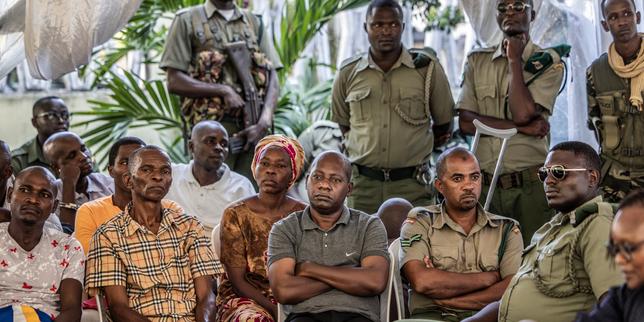
Stray rounds and targeted fire from warring factions across the river pinned the refugees down in the exposed borderland. Border Guard Bangladesh patrols, already on high alert due to weeks of audible mortar fire and stray shells landing inside Bangladeshi villages, moved in under live fire. Returning fire to suppress the incoming rounds, BGB personnel established a perimeter and extracted the trapped civilians—many of them women, children, and elderly individuals suffering from exhaustion and shock—pulling them back across the threshold to safety.
Standard wire reports treat these moments as brief flashes of heroism. They miss the larger operational reality. Every time Bangladeshi border forces engage in a firefight to rescue civilians, they risk dragging Dhaka into a cross-border conflict it has spent nearly a decade trying to avoid.
The Shifting Calculus in Rakhine State
The root cause of these border gun battles lies in the dramatic collapse of the Myanmar junta's western command. Following the 2021 military coup, the Tatmadaw found itself fighting a multi-front war against a coalition of ethnic armed organizations and People's Defense Forces. In Rakhine State, the Arakan Army has emerged as the dominant military force, capturing key townships, border guard posts, and supply routes that the junta once thought impenetrable.
This shift has created a terrifying trap for the remaining Rohingya population inside Myanmar. Caught between a desperate, retreating military and an advancing insurgent force, Rohingya communities face unprecedented coercion.
- Forced Conscription: Facing severe manpower shortages, the Myanmar military has forcibly conscripted thousands of young Rohingya men, sending them to the front lines with minimal training to act as human shields against the Arakan Army.
- Insurgent Distrust: Because the junta has weaponized some Rohingya factions—including elements of the Arakan Rohingya Salvation Army (ARSA)—the Arakan Army increasingly views Rohingya civilians with deep suspicion, accusing communities of collaborating with the regime.
- Scorched-Earth Tactics: As towns like Buthidaung and Maungdaw fall, widespread arson, drone strikes, and indiscriminate shelling have left entire neighborhoods in ashes, leaving civilians with no choice but to flee toward the Bangladeshi border.
When these refugees reach the river, they are not met with an open door. Bangladesh officially closed its border to new influxes years ago, citing severe economic strain, environmental degradation, and security concerns inside the existing camps. Yet, on the ground, reality overrides policy. When unarmed civilians are being slaughtered in plain sight across a narrow stretch of water, border guards face an impossible moral and tactical choice.
Dhaka’s Impossible Balancing Act
Bangladesh is caught in a strategic vise. The country already hosts more than 1.2 million Rohingya refugees in Kutupalong and surrounding camps—the largest refugee settlement in the world. International donor fatigue has slashed food rations, forcing families to survive on pennies a day while crime, kidnapping, and gang violence surge inside the camp perimeters.
Opening the border to a fresh wave of tens of thousands of refugees is politically and economically untenable for Dhaka. The interim administration and security establishment know that international support will not scale up to meet a new crisis, especially with global attention fixed on conflicts in Eastern Europe and the Middle East. At the same time, leaving refugees to die under gunfire on the banks of the Naf River carries massive domestic and international fallout.
The BGB has responded by dramatically reinforcing its border posture. Additional battalions, armored vehicles, and coast guard vessels have been deployed along the Teknaf peninsula. Surveillance drones monitor movement across the river, while riverine patrols work round the clock to intercept smuggling boats.
Yet, military deterrence has limits when the threat comes from an uncontained civil war next door. Stray mortar shells have killed Bangladeshi citizens on their own soil. Myanmar junta soldiers and Border Guard Police (BGP) have repeatedly fled across the border into Bangladesh to surrender, forcing Dhaka to disarm, house, and eventually repatriate hundreds of foreign troops by sea. When the state apparatus on the other side of your border ceases to exist, traditional border security becomes an illusion.
The Human Smuggling Pipeline and Cross-Border Militancy
Where state control evaporates, criminal networks thrive. The chaos along the border has supercharged human trafficking syndicates operating on both sides of the Naf River. Desperate families inside Rakhine State pay exorbitant sums—often liquidating every asset they own—to brokers who promise safe passage into Bangladesh.
These crossings are rarely safe. Traffickers routinely overload wooden boats, abandon passengers on uninhabited river islands, or coordinate crossings during active firefights to evade patrol boats. In many instances, the gunfire that triggers BGB rescue operations isn't just between the Tatmadaw and the Arakan Army; it involves armed criminal gangs and militant groups fighting over smuggling corridors and extortion rackets.
The Camp Security Nexus
Security analysts tracking the region point out that the border cannot be separated from the internal dynamics of the Cox's Bazar camps. Armed groups like ARSA and the Rohingya Solidarity Organization (RSO) operate across the frontier, using the dense terrain to move weapons, narcotics—specifically methamphetamine pills known as yaba—and recruits.
- Financial Lifelines: The illicit drug trade flowing out of Myanmar’s Shan and Rakhine states funds armed factions operating along the border, turning every river crossing into a high-stakes commercial venture.
- Recruitment Drives: Turf wars inside the Bangladeshi camps frequently spill over to the borderlands, as rival factions ambush each other's supply lines.
- Intelligence Gaps: With the Myanmar military largely driven out of northern Rakhine, Bangladeshi intelligence agencies have lost their traditional state counterparts, forcing them to navigate an opaque web of non-state actors, warlords, and insurgent commanders.
When BGB troops step into a firefight to rescue refugees, they are stepping into a multi-layered conflict zone where insurgent warfare, human trafficking, and narcotics smuggling collide.
Why Repatriation is Dead on Arrival
For years, the diplomatic talking point from Dhaka, Beijing, and international observers centered on repatriation—the eventual, voluntary, and safe return of the Rohingya to their homeland in Rakhine State. Multiple pilot repatriation projects were drafted, negotiated, and ultimately abandoned as conditions inside Myanmar deteriorated.
Recent events on the border bury that illusion for good. You cannot repatriate a population to a state that no longer controls its territory.
If the Arakan Army consolidates full control over northern Rakhine State, Dhaka will face a geopolitical reality it has no diplomatic framework to handle. Bangladesh does not officially recognize the Arakan Army, yet the AA is rapidly becoming the de facto governing authority along Bangladesh’s entire southeastern border. Engaging with an armed insurgent group risks alienating whatever remains of the central authorities in Naypyidaw, while refusing to engage leaves Bangladesh blind and vulnerable on its own frontier.
Meanwhile, the international community continues to issue statements of concern without offering concrete mechanisms to halt the violence or share the burden of hosting the displaced. Humanitarian agencies on the ground in Cox's Bazar are stretched to their breaking point, warning that without immediate funding injections and political intervention, the region faces a cascading collapse of both security and basic human survival.
The Reality on the Riverbank
The bullets flying across the Naf River are not stray accidents of a distant war. They are the direct consequence of leaving a massive humanitarian and geopolitical crisis to fester without resolution for nearly a decade. Every rescue pulled off by Bangladeshi border guards buys a few dozen people another day of life, but it does nothing to stop the next boat from launching into the dark, or the next mortar round from landing in the mud. Until regional powers confront the reality that Myanmar’s western frontier has permanently fractured, the border will remain a killing ground where survival depends entirely on who reaches the water first.