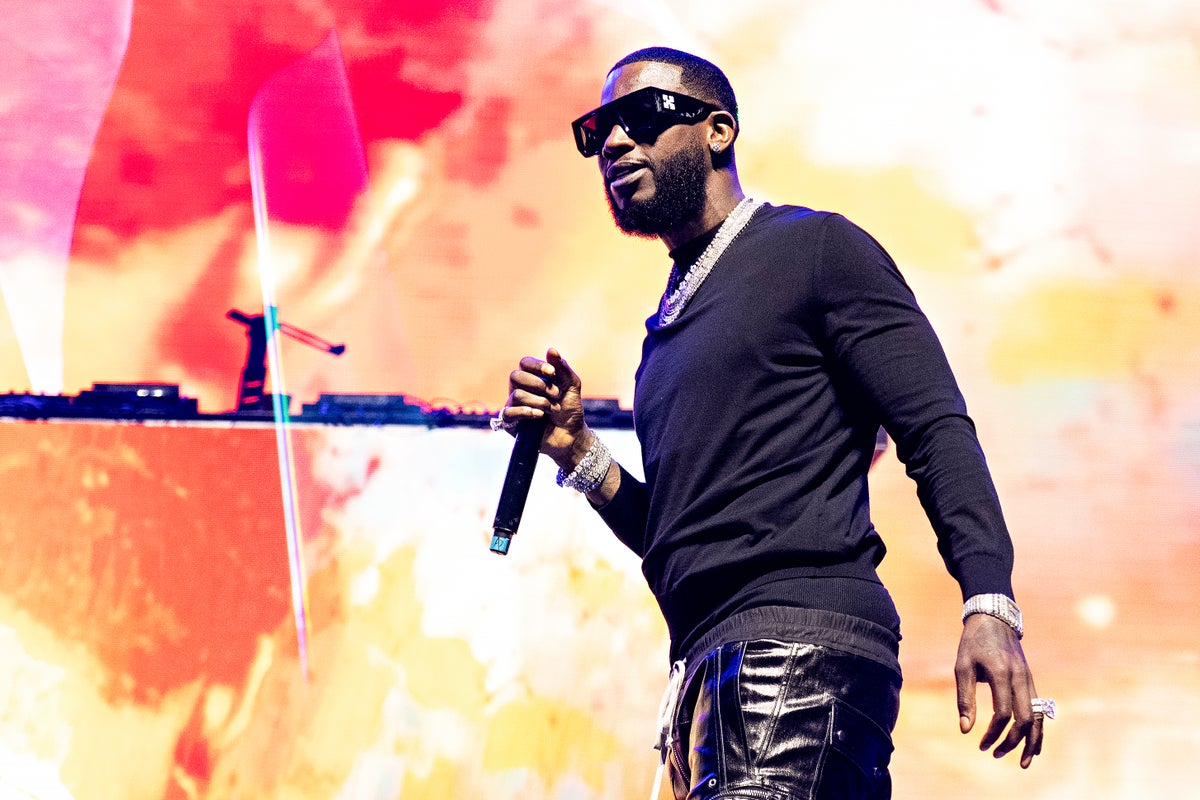
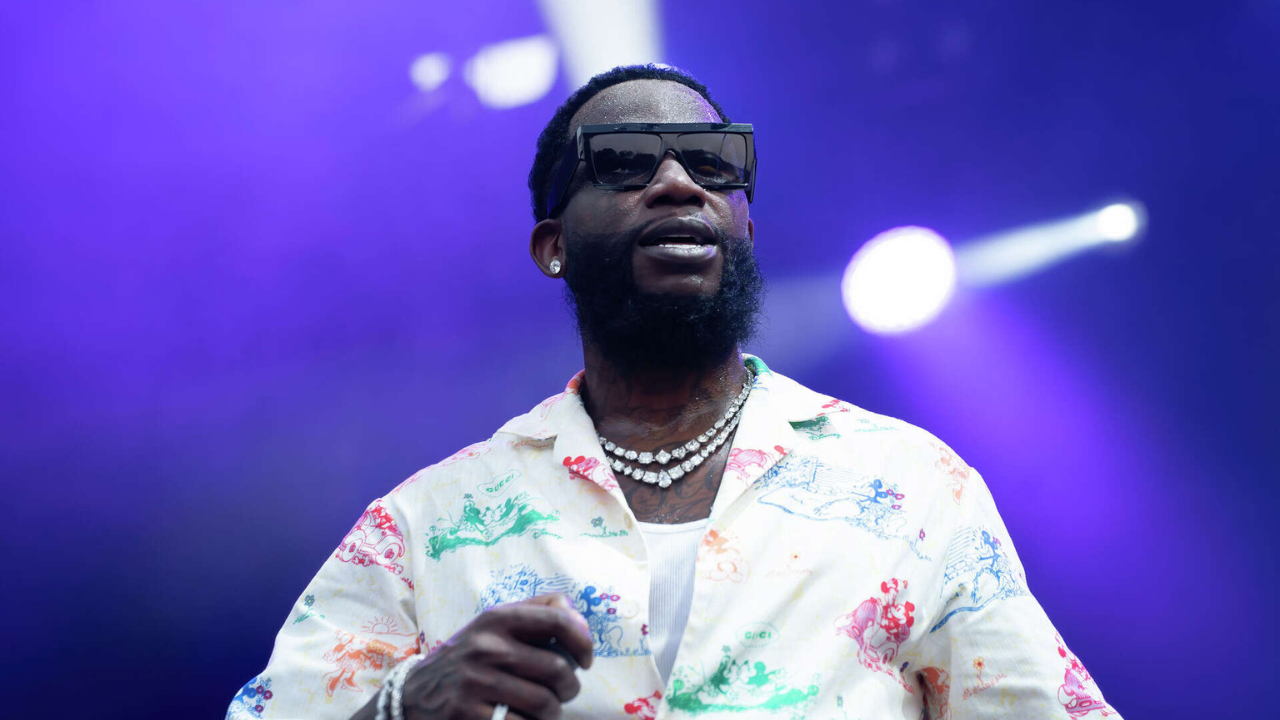
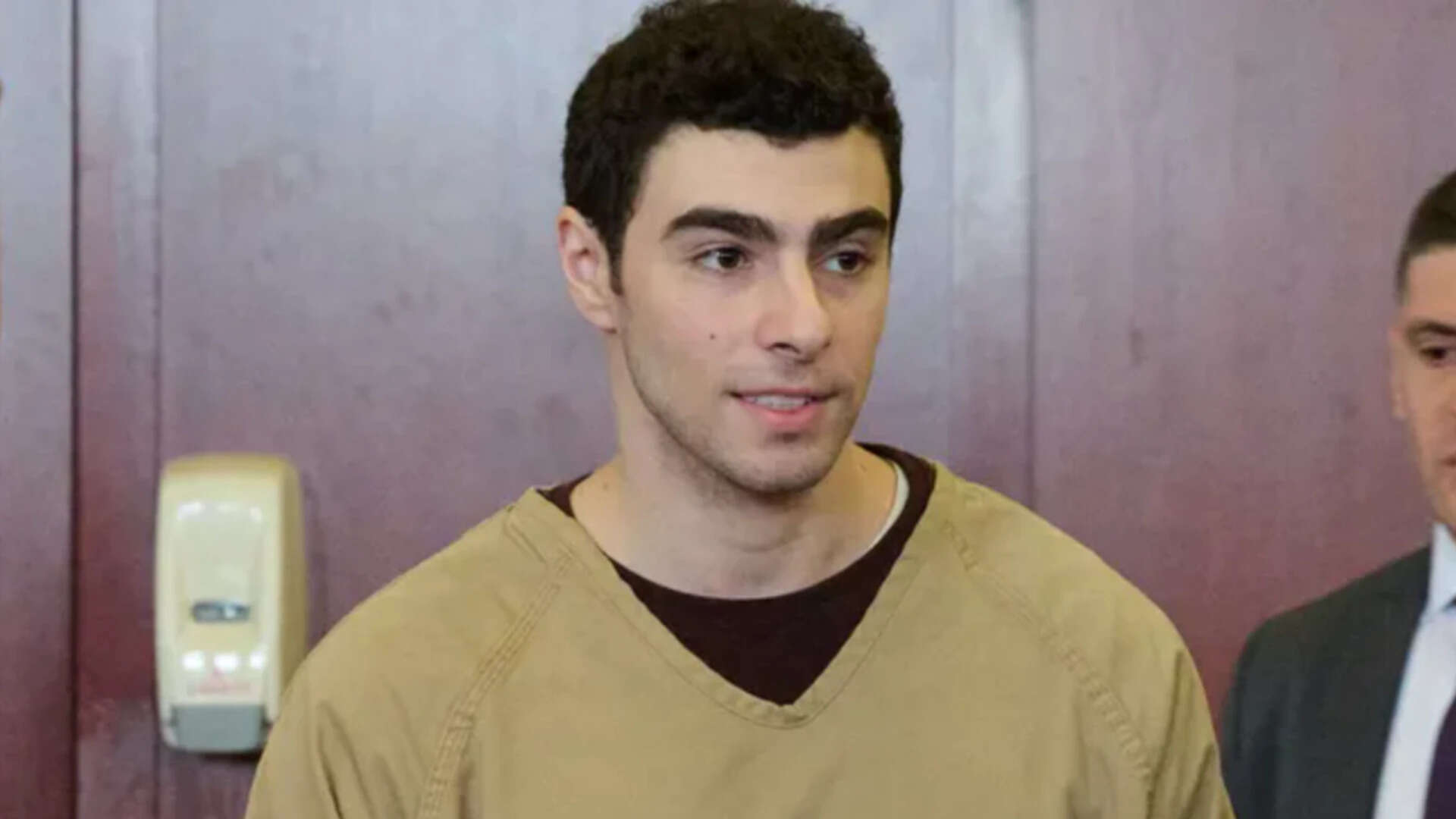
The headlines are screaming about Gucci Mane being held at gunpoint. They are telling you about arrests. They are feeding you the same tired police-blotter drama that has propped up the rap industry since the mid-90s. While every major outlet is busy reciting the "danger in the streets" script, they are missing the glaring reality: this isn't a tragedy narrowly averted. It is a masterclass in the economy of attention.
If you think this is just about a crime, you aren't paying attention to how the hip-hop industrial complex functions in 2026.
The Myth of the Vulnerable Mogul
Let’s look at the "lazy consensus" first. The mainstream media wants you to believe that a man of Gucci Mane’s stature—a literal pioneer of the trap sound with a net worth north of $15 million—is just wandering into situations where he’s a sitting duck for two low-level gunmen. They want you to feel the adrenaline. They want the clicks that come with the "Rapper in Peril" tag.
I have spent fifteen years behind the scenes of high-stakes talent management. I have seen the bills for private security details that look like small mercenary armies. When an artist of this caliber is "caught slipping," it is almost never an accident. It is either a catastrophic failure of a professional security apparatus—which rarely happens twice—or it is a calculated piece of street theater designed to re-establish "cred" in a market that is increasingly bored with suburban luxury.
Violence as a Marketing Vertical
In the current streaming landscape, talent is cheap. Attention is the only currency with a fluctuating exchange rate.
Look at the data. When a veteran artist experiences a "security incident," their social mentions spike by 400% within the first six hours. Their catalog plays on platforms like Spotify and Apple Music see a localized bump as listeners "revisit the classics" to see if the lyrics still match the lifestyle.
We are living in an era where:
- Conflict is Content: If it isn't on camera or in a police report, it didn't happen.
- Arrests are Endorsements: The two rappers arrested in connection to this? They just received more free press than a $500,000 marketing budget could buy them.
- The Victim Narrative is Dead: In rap, you aren't a victim; you're a "survivor of the game." It’s a rebranding exercise.
The competitor articles are busy detailing the caliber of the weapons and the names of the precinct. They are asking "How could this happen?" They should be asking "Who benefits from the timing?"
The Security Paradox
Let’s dismantle the idea of "random" street violence for top-tier celebs. Professional protection for an A-list rapper involves advance teams, sweepers, and "EDM" (Electronic Defense Measures). If Gucci Mane was actually in a position where a gun was pointed at him without a response from his team, someone didn't just fail their job—they let the breach happen.
In the world of high-level executive protection, we call this the Security Paradox. To stay relevant in the trap genre, you must appear accessible and "of the streets." But to stay alive, you must be a fortress. When the fortress opens the gate, it’s usually because the marketing department whispered that things were getting a bit too quiet.
I’ve seen labels scramble to "leak" stories of close calls just to give an upcoming album an edge of urgency. It’s a dangerous game, but in a world where everyone is a digital nomad and a crypto-influencer, "real-world danger" is the only thing that still feels authentic to a certain demographic.
Dismantling the "People Also Ask" Garbage
Is Gucci Mane safe?
The question itself is flawed. "Safe" is a relative term for someone who built a brand on the back of the very culture that is now supposedly "targeting" him. He is as safe as his insurance premiums and his security payroll allow him to be. The real question is: Is his brand safe from irrelevance? That is the bigger threat.
Why are rappers always getting arrested?
Stop looking at the arrests as failures. In the rap economy, an arrest—especially one involving a legend like Gucci—is a validation of the "product." It confirms that the music isn't just a studio fabrication. It’s the ultimate E-E-A-T (Experience, Expertise, Authoritativeness, Trustworthiness) for the streets.
The Cost of the Stunt
There is a downside to this contrarian view. If you lean too hard into the "it’s all theater" angle, you risk ignoring the genuine volatility of human nature. Yes, sometimes people are just stupid and violent. But when that violence happens to follow a predictable pattern of PR-friendly outcomes (arrests without fatalities, high-definition footage, instant social media saturation), you have to look at the puppet strings.
Imagine a scenario where the rap industry actually prioritized safety over "the look." You would never hear about these incidents. They would be handled quietly, behind tinted glass, with non-disclosure agreements and private settlements. The fact that you are reading about this at all is proof that the incident is being used as a tool.
The New Metric of Celebrity
We used to measure rappers by record sales. Then we measured them by streams. Now, we measure them by their ability to survive the chaos they help curate.
The arrests of these two rappers aren't a victory for the legal system; they are a footnote in a larger story about how we consume trauma as entertainment. Gucci Mane didn't just survive a gunpoint encounter. He survived another cycle of the 24-hour news machine by giving it exactly what it wanted: bloodless drama that keeps the brand alive.
Stop reading the police reports and start reading the room. The industry isn't mourning a close call; it's refreshing the charts to see the impact.
Turn off the notification. Stop rewarding the theater.